Showing posts with label Criminal Law. Show all posts

Sunday, February 15, 2026

Phoenix Attorney on Teacher Student Assault

Teacher-Student Assault and the Limits of Self-Defense in School Environments

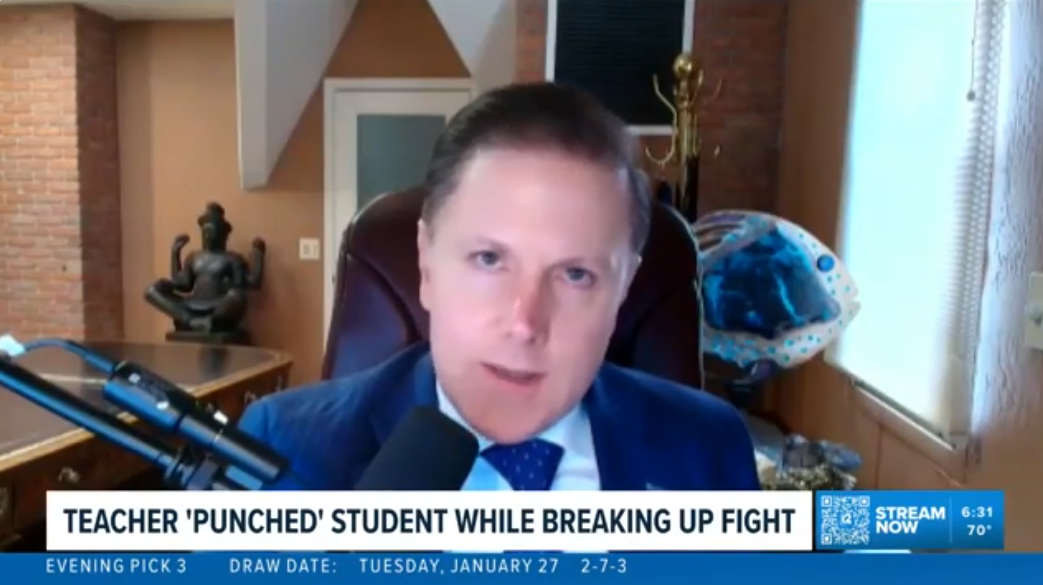
The recent high-profile case of teacher-student assault has ignited a robust debate over the proper use of self-defense claims in educational settings. Notably, defense attorney Josh Kolsrud has recently offered legal insights that dissect the tricky parts of using self-defense as a justification in a classroom scenario. In his detailed discussion with Phoenix 12 News, Kolsrud highlighted that striking a student in the back hardly fits within the legal definition of self-defense. This editorial examines the case through a legal lens, reviews the problems that emerge when minors are involved in assault cases, and offers a detailed look into the role of evidence in determining the outcome of such matters.

While educators are entrusted with the critical role of guiding and safeguarding their students, the line between disciplinary action and assault becomes significantly blurred when force is applied inappropriately. Although school administrators and law enforcement officials may contend with a chaotic situation in the classroom, the law strictly limits when and how adults can use physical force—even if they claim it is done in self-defense. This topic is not only layered with legal twists and turns but also filled with small distinctions that can influence the final outcome in court.

When Is It Acceptable to Claim Self-Defense?

Self-defense is a concept that many might assume is straightforward. However, when it comes to disputes in a classroom, the situation is loaded with problems that make using such a claim challenging. Defense attorney Josh Kolsrud emphasizes that for a self-defense claim to hold water, there must be an immediate threat of harm from the other party. In this particular case, evidence suggested that the teacher’s response—striking a student in the back—did not correspond to an active and immediate threat from the student.

Key factors that make self-defense claims tricky in school settings include:

  • The position and behavior of the student at the time of the incident
  • The proportionality of the response compared to the perceived threat
  • The clear documentation of the incident, including video evidence and eyewitness accounts
  • The established legal definition of self-defense within the jurisdiction

In instances where a teacher or other school official claims self-defense, the responsibility falls on legal experts to get into the fine points of what constitutes a legitimate defensive measure. When the alleged victim is a minor and the action taken is either excessive or misdirected, the claim almost immediately loses legal traction. This matter thus represents one of the tricky parts of applying a self-defense rationale outside the traditional context, and it is paramount that all parties—educators, administrators, and legal counsel—understand these bounds.

Evidence in School Assault Cases: The Role of Video Footage and Witness Testimonies

In any legal dispute involving assault claims, particularly in situations loaded with small distinctions, the objective evidence available is key to deciding the case. Investigators will focus on all tangible elements, with surveillance video and witness statements emerging as super important to establish the facts. Whether it is a classroom setting or another environment, the accessible documentation often makes a significant difference in determining the validity of a self-defense claim.

Below is a table summarizing the types of evidence that play a critical role in assault cases in school settings:

Type of Evidence Description
Surveillance Video Provides an unedited and unbiased record of the incident, capturing the sequence of events and actions taken by both parties.
Witness Testimonies Offers first-hand accounts from students or staff, giving crucial context and detail that video footage might not capture.
Documentation and Reports Includes incident reports or formal complaints filed by school administrators, which detail the observed actions and any prior misbehaviors.
Forensic Analysis In some cases, forensic examinations may help establish whether the use of force was excessive or consistent with self-defense claims.

This evidence collectively builds a picture of what transpired during the incident. Investigators and prosecutors are tasked with sorting out the narrative, heavily relying on these objective records rather than mere speculation. The legal principle here is clear: when the details are riddled with tension, the side that can clearly demonstrate the nature and proportionality of the response is often favored in court.

The Impact of Involving a Minor: Prosecutorial Considerations

The involvement of a minor in any assault case not only introduces personal and ethical challenges but also presents a key legal factor that heightens prosecutorial scrutiny. Defense attorney Josh Kolsrud points out that when the alleged victim is a minor, it adds an extra layer—or a whole load of problems—that significantly increases the likelihood of criminal charges being pursued by the district attorney's office.

Prosecutors are particularly cautious in these cases because children are seen as a vulnerable population. The law takes this view very seriously, and any aggressive or disproportionate use of force against a minor tends to sway policy decisions and charging points. Educational institutions, too, face enormous pressure to handle such matters delicately to protect the welfare of their students and the reputation of the institution.

This issue presents several tricky policy questions, including:

  • The balance between safeguarding students and ensuring that educators have adequate protection against unruly behavior.
  • Establishing clear guidelines on disciplinary actions in the classroom, especially when physical contact is involved.
  • Differentiating between accidental contact during a chaotic incident and deliberate assault.

Given these tangled issues, legal experts advocate for thorough investigations where every small distinction is carefully examined to ensure a fair outcome. The presence of a minor escalates the gravity of the situation and makes the evidence and legal arguments even more paramount in these cases.

The Legal Responsibility of Educators: Going Beyond Traditional Boundaries

When teachers step into the line of duty, they are expected to protect and nurture their students. However, when allegations of assault arise, the conversation quickly shifts towards the boundaries of acceptable behavior under the law. Educators who engage in physical contact with students—even under the guise of self-defense—must be prepared to face a detailed legal inquiry into whether their actions were justified.

Educational institutions often have policies in place that guide teacher conduct and outline acceptable interventions. Despite these guidelines, the legal system imposes its own set of standards that sometimes conflict with internal school policies. This divergence can make handling allegations particularly overwhelming for school administrators tasked with making decisions that impact both the institution and the individuals involved.

Teachers are legally required to:

  • Maintain a safe environment that prioritizes the welfare of students.
  • Avoid any form of excessive physical contact that may be interpreted as assault.
  • Seek alternative disciplinary methods that are legally endorsed and professionally advised.

The cross-section between educational policy and legal accountability represents a field full of problems that require careful attention. It is crucial that educators take proactive steps to understand these guidelines and ensure they do not inadvertently cross legal lines, even in moments of heightened stress and chaos.

Prosecutorial Strategies in School Assault Cases

In the context of an assault case involving a teacher and a student, prosecutors must make several nerve-racking decisions. One of the primary challenges is assessing the objective evidence to determine if the teacher’s actions were reasonable and proportionate. Josh Kolsrud’s analysis outlines that a self-defense claim falters when the defendant’s actions exceed what is legally acceptable, leaving little room for ambiguity in hostile, tense situations.

Prosecutors typically focus on several super important aspects in such cases, including:

  • The immediate threat perceived by the defendant.
  • The amount of force used relative to the threat.
  • The sequence of events leading up to the altercation.
  • Any discrepancies between witness accounts and the defendant’s explanation.

Through methodically sorting out these factors, prosecutors are able to form a strong case where the presence of a minor adds additional weight to the charges. It is the job of the legal system to protect the vulnerable, and in these circumstances, even a slight deviation from acceptable legal behavior can result in serious repercussions for the accused.

Understanding the Perspective of Defense Attorneys and the Role of Legal Experience

Defense attorneys like Josh Kolsrud bring years of experience as both a prosecutor and a legal advocate into the courtroom. His perspective on the case reflects a deep understanding of the law and a commitment to ensuring that each detail is fully examined. With over 100 trials under his belt, Kolsrud’s commentary highlights the importance of having a robust legal strategy when addressing incidents such as a teacher-student assault.

From the defense perspective, there are significant challenges in arguing that a teacher’s actions were taken in self-defense under such circumstances. Key points raised include:

  • Establishing an immediate and genuine threat from the student.
  • Demonstrating that the teacher’s reaction was the minimum necessary response required by law.
  • Proving that the dynamics of the situation were misunderstood or misreported by those present.

However, as Kolsrud’s observations suggest, when a teacher resorted to striking a student in the back, it diminishes the credibility of the self-defense claim. Instead of protecting themselves from an imminent threat, the teacher’s actions instead serve to cross a legal boundary that has been clearly laid out under criminal statutes governing assault and abuse.

Exploring the Fine Points of Liability and Accountability

Establishing liability in assault cases involving educators and minors is rife with small distinctions that need to be carefully tackled. The legal system requires that every subtle detail be addressed in order to ensure a just outcome. Even a minor misinterpretation can lead to significant legal consequences for both the defendant and the institution involved.

The accountability of a teacher is determined not only by the immediate facts of the case but also by how well they adhere to the expected standards of conduct set forth by professional codes and legal requirements. Some of the key considerations include:

  • The teacher’s training in handling difficult classroom situations.
  • The effectiveness of the institution’s protocols for managing conflicts.
  • The documented history of previous incidents or warnings, if any.
  • Assessments by external experts or internal reviews conducted by the school district.

When all of these factors are arranged in context, it becomes clear that the professional responsibility of educators extends far beyond the classroom. In instances where physical actions are involved, they become even more accountable under the law, emphasizing the necessity of being well prepared to figure a path through legal challenges should disputes arise.

How Legal and Educational Institutions Can Work Together

The teacher-student assault case presents a nerve-racking challenge not only for the legal community but also for educational institutions. The tangled issues that surface from such cases underscore the pressing need for enhanced training, updated disciplinary policies, and close collaboration between school officials and legal experts.

To better prepare both educators and administrators for potential legal pitfalls, institutions could consider the following measures:

  • Regular training sessions on conflict resolution and non-violent disciplinary techniques.
  • Workshops featuring legal professionals who explain the critical legal boundaries regarding physical interactions between staff and students.
  • Internal reviews of current policies to ensure they align with state and federal legal standards.
  • The implementation of clear reporting procedures for incidents where physical force might be considered.

These proactive steps can help create an environment where even during chaotic moments, there will be a well-defined framework to steer through potential legal challenges. By aligning both legal and educational guidelines, institutions will be better equipped to protect their students while ensuring that their staff acts within the scope of the law.

Legal Precedents and the Importance of Objectivity in Court

One of the most important aspects of any legal case involving assault is the reliance on objective evidence and established legal precedents. Over the years, precedent cases have clearly outlined that an overreaction—or one that falls outside the permitted boundaries—can nullify any self-defense claims. In the wake of incidents like the one discussed by Kolsrud, legal experts continually remind us that what may appear as an instinctive reaction in a tense classroom environment rarely meets the stringent legal criteria for self-defense.

The court’s focus will ultimately center on the following points:

  • Was there a clear and present danger that justified the use of force?
  • Was the physical response proportional to the immediate threat?
  • Did the incident occur in a setting where other non-physical measures were available?
  • What do the video evidence and witness accounts demonstrably reveal about the sequence of events?

By carefully piecing together these small distinctions, the court is able to ensure that decisions are made on the strength of demonstrable facts instead of noisy speculation. The reliance on objective, hard-earned evidence serves as a reminder that in cases riddled with tension and loaded with issues, fairness can only be achieved through a clear-eyed examination of all elements involved.

The Broader Implications for Legal Reform and Professional Conduct in Schools

The case under discussion not only raises legal questions—it also prompts a much deeper conversation about reforming both professional conduct and legal standards in educational settings. Incidents of physical altercations in schools can have lasting implications for the reputation of educational institutions and the safety of students. Consequently, there is an increasing call for legal reform that addresses these controversial spaces in a balanced and measured way.

Reforming the approach to teacher-student interactions necessitates that school boards, legal experts, and policy makers come together to address several key issues, such as:

  • Clarifying the legal boundaries of acceptable physical intervention in schools.
  • Ensuring teachers have access to non-violent conflict resolution training that aligns with legal standards.
  • Establishing a tiered response system that distinguishes between minor classroom disruptions and serious offenses.
  • Improving communication protocols so that incidents are reported promptly and accurately, reducing the risk of misinterpretation and overreaction.

Educational institutions that incorporate these measures into their operational policies can create a framework where both teachers and students feel safeguarded. By working through these issues collaboratively, the community benefits from reduced legal ambiguities and a more supportive learning environment. In turn, the risk of cases that spiral into nerve-racking legal battles is minimized.

Lessons Learned and Future Directions for Educators

One of the most instructive takeaways from this case is the importance of constant awareness of the legal implications surrounding physical interactions in sensitive environments like schools. Educators must make a concerted effort to stay updated on the legal standards governing self-defense and acceptable disciplinary actions. Through continual education and training, teachers can arm themselves with the knowledge required to face even the most confusing bits of these issues head on.

In addition to being legally informed, educators and administrators should consider the following steps to protect both themselves and their students:

  • Participate in regular legal workshops and training sessions offered by legal experts experienced in both state and federal laws.
  • Develop clear, written protocols that outline when and how physical intervention may be considered acceptable, drawing on expert legal advice.
  • Establish a culture of accountability in which every incident is documented with precision and transparency.
  • Engage in open dialogue with legal experts to continually reassess and improve existing procedures.

These strategies not only help in managing current legal challenges but also prepare educators to face any future issues with the confidence and competence necessary to maintain a safe and nurturing educational environment.

Analyzing the Evidence: How Data Shapes Legal Outcomes

As previously mentioned, objective evidence, such as video recordings and detailed witness statements, plays a super important role in clarifying the tough scenarios that frequently emerge in assault cases. Legal professionals are keenly aware that when context is manipulated or left to interpretation, details can become lost in translation, leading to decisions that may unfairly penalize one party.

Below is a bulleted list outlining the most critical pieces of evidence that impact legal outcomes in such cases:

  • High-quality surveillance recordings, which provide an uncontaminated view of events.
  • First-person accounts from those who witnessed the event, serving as cross-checks against official statements.
  • Forensic reports that assess any injuries or physical marks, offering tangible proof of the extent and nature of the force used.
  • Incident logs and official reports filed immediately after the occurrence, which help document the context and environment during the altercation.

It becomes visually clear that the strength of a legal case is largely built on the foundational elements of concrete, well-documented evidence. When every small detail is aligned with the facts, the legal process is far more likely to deliver just and fair results.

Implications for Legal Practitioners and Defense Strategies

For legal practitioners who handle assault cases in educational settings, understanding the subtle parts of these situations is super important. The case under review highlights the difficulties that arise when attempting to defend a position that is immediately undermined by objective evidence. Defense attorneys must work tirelessly to figure a path through the maze of evidence and rapidly changing scenarios in order to provide effective representation.

Key defense strategies in such cases typically include:

  • Challenging the credibility and consistency of witness testimonies.
  • Scrutinizing the video evidence for anomalies or factors that could misrepresent the events.
  • Arguing over the precise timeline of actions to show that the threat was not immediate or sufficient to warrant a self-defense claim.
  • Pointing out any missteps in police or school administration procedures that may have tainted the evidence.

While each of these elements can provide the best avenue for mounting a strong defense, the overall challenge is to balance the legal narrative with the undeniable reality of the facts presented. In cases where even a slight deviation from the established legal boundaries occurs, the defense must find innovative ways to reframe the narrative without downplaying the severity of the actions involved.

Balancing Legal Accountability with Educational Values

At its core, the teacher-student assault case is a reflection of a broader societal challenge: striking the right balance between legal accountability and the educational values of nurturing, careful conduct. While the law sets clear guidelines on acceptable physical interactions, educators must integrate these legal standards into an environment that is supportive, empathetic, and conducive to learning.

Ultimately, both legal professionals and educational institutions are tasked with the critical responsibility of protecting minors while ensuring that teachers are not unduly penalized for honest mistakes or chaotic situations. This balancing act is delicate, requiring every stakeholder to get into the nitty-gritty of policy details and legal expectations.

Some key points to keep in mind as we move forward include:

  • Ensuring that all parties involved in an incident are held accountable in a manner that respects both legal mandates and the inherent vulnerabilities of minors.
  • Implementing proactive measures to reduce the likelihood of violent encounters in schools.
  • Fostering continuous dialogue between legal experts and educators to stay ahead of potential challenges.

This balanced approach is not only a legal necessity but also a moral imperative, as it underlines the commitment to protecting the rights and dignity of every individual involved.

Charting a Path Forward: Recommendations for Policy Makers and Educators

Having examined the multifaceted dimensions of teacher-student assault cases and the tangled legal issues that arise therein, it is important for policy makers and educational administrators to reflect on future steps. The case discussed by attorney Josh Kolsrud serves as a cautionary tale—one that underscores the need for clearer guidelines, enhanced training, and a more collaborative approach between legal and educational communities.

Recommendations for moving forward include:

  • Clear Policy Guidelines: School districts should collaborate with legal experts to craft well-defined policies that explicitly delineate acceptable disciplinary actions and the legal consequences of exceeding these limits.
  • Regular Training: Teachers and administrators should engage in ongoing training designed to address the twists and turns of handling potentially violent situations, ensuring that they can manage difficult classroom dynamics without resorting to excessive force.
  • Enhanced Evidence Collection: Schools can adopt more robust protocols for documenting incidents—such as installing additional surveillance systems and establishing rapid reporting procedures—to ensure that all evidence remains intact and reliably accessible.
  • Open Communication Channels: Creating formal channels for dialogue between legal advisers and school staff can assist in early identification of potential issues and help in steering through problems before they escalate into nerve-racking legal challenges.

By implementing these steps, educational institutions can work towards creating a safer, more legally sound environment, one that protects both students and teachers alike.

Conclusion: A Call for Balanced Legal and Educational Practices

The highlighted case of teacher-student assault reminds us that the boundaries of acceptable self-defense, especially in schools, are defined by a multitude of small, subtle details that require careful legal scrutiny. As demonstrated by legal expert Josh Kolsrud, when these details reveal actions that exceed the narrow confines of legally justifiable self-defense, the repercussions can be serious—particularly when a minor is involved.

The intricate interplay between legal accountability and the fundamental educational values demands that each case be treated with a balanced perspective. It is essential for all parties to get into the fine points of each incident, meticulously sorting out every piece of objective evidence and every minor discrepancy. Only by doing so can justice be served in a manner that preserves both the safety of students and the rights of educators.

As we continue to see cases that dig into these tricky parts of the law, it becomes ever more apparent that a collaborative approach between legal practitioners, educators, and policy makers is the key to navigating these challenges. Through comprehensive training, clear policy guidelines, and a relentless commitment to objective evidence, future incidents can be managed more effectively—shielding both young students and those entrusted with their care from unnecessary legal ambiguities.

In the end, the path forward is one that requires vigilance, mutual respect, and a shared commitment to upholding the law while fostering nurturing educational environments. As the legal community and the educational sector work side by side, the hope is that these challenging issues, while full of tangled issues and nerve-racking moments, will be untangled in a manner that brings safety, clarity, and protection to everyone involved.

This ongoing dialogue is super important—not just for addressing current cases, but for shaping the future of how violence in schools is viewed, managed, and prevented. By embracing transparency, objective evidence, and balanced accountability, the legal system, along with our educational institutions, can indeed find a just path through even the most confusing bits of these challenging issues.

Read more about this topic at https://kolsrudlawoffices.com/teacher-student-assault/

Related articles you might like
Legal Boundaries Definition
Boundaries: Understanding Legal Definitions and Implications


Share:

Sunday, November 30, 2025

Halloween Drug Possession Charges Explained

Arizona Drug Possession Charges During Halloween: An Opinion Editorial

Every year, as autumn sweeps in and the Halloween spirit fills the air in Arizona, a remarkable scene unfolds. People don costumes, attend lively parties, and enjoy music festivals in Tempe, Scottsdale, and Phoenix. Yet, lurking in the background are the tricky parts of drug possession laws—tangled issues that can suddenly turn a festive night into a nerve-racking legal ordeal. As someone who has spent years observing and reporting on the legal system, I feel it is essential to discuss not only what the law says but also the small distinctions and hidden complexities that can affect anyone in this state.

The discussion today mixes opinion and legal insight. My goal is to help readers understand how the law treats these drug-related offenses, especially during popular events like Halloween. I invite you to take a closer look at the legal maze in Arizona drug possession cases, and to consider how the state's strict stance on drug crimes can have life-changing consequences.

Understanding Arizona’s Drug Possession Laws During Halloween

Arizona’s legislation on drug possession is both broad and detailed. At first glance, what might seem like a small slip—bringing a controlled substance to a party or festival—can lead to charges that range from a petty offense to a felony with long-lasting ramifications. Under statutory provisions such as ARS § 13-3405 and ARS § 13-3407, the law clearly distinguishes between different substances, from marijuana to narcotics like cocaine and heroin.

During Halloween, law enforcement officers ramp up their efforts. With increased patrols and drug-detection dogs on duty, the fine points of what constitutes illegal consumption or harmful intent become critical. It is not just the amount, but what the police suspect that can quickly alter the course of one's life.

Long-Tail Keyword: Understanding Drug Possession Legal Outcomes in Phoenix During Halloween

One of the most confusing bits in the legal landscape is how minor possession for personal use can unexpectedly escalate to severe charges. Even possession of less than one ounce of marijuana might be treated as a misdemeanor under limited circumstances; however, the line between personal use and intent to sell remains both subtle and ambiguous.

This poses a dilemma for many: How can someone determine if the amount in their possession is safe, or whether law enforcement will treat it as evidence of distribution? While the law provides some clear guidelines, the reality of enforcement—especially during public events—leaves little room for error.

How Law Enforcement Intensifies Its Watch During Halloween

There is a noticeable uptick in arrests during major events, largely because police departments in Maricopa County and beyond are on high alert. Halloween celebrations, with their mix of alcohol and illegal drugs, offer law enforcement a prime opportunity to crack down on drug crimes. Patrols around festive areas are full of problems, and the presence of undercover officers and drug detection dogs makes parties sites of potential legal disaster.

At these events, the twists and turns of how evidence is procured can play a significant role. Searches without a valid warrant or probable cause may later be challenged in court. Despite these potential defenses, once an officer finds controlled substances—even if only for personal use—the legal repercussions can quickly become overwhelming.

Long-Tail Keyword: Increased Drug Detection Tactics at Arizona Halloween Parties

Enforcement routines during Halloween often include:

  • Frequent DUI checkpoints in parking lots and near event venues.
  • Heightened patrols in busy downtown areas known for nightlife.
  • Use of drug detection dogs at event entrances and outdoor gatherings.
  • Undercover operations during parties where pre-packaged drugs may be sold.

These measures, designed to keep communities safe, also mean that even slight mistakes during a festive evening can lead to an expedited arrest process. For event-goers, understanding these tactics and planning accordingly is key to mitigating unforeseen legal trouble.

Distinguishing Between Misdemeanor and Felony Drug Possession Charges

The legal system in Arizona is structured in a way that categorizes drug possession into less severe misdemeanors and more consequential felonies. The amount of the controlled substance, combined with any previous convictions or indications of intent to sell, are critical factors in this determination.

For example, possessing a minimal quantity of marijuana might be considered a petty offense in some scenarios. Conversely, an individual found with a larger sum or with controlled substances like heroin or cocaine could be charged with a felony. Many people find these classifications puzzling, and it is this very confusion that amplifies many of the intimidating legal challenges that can follow an arrest.

Long-Tail Keyword: Differentiating Misdemeanor from Felony Drug Charges in Arizona

Below is a summarized table that highlights how different amounts and types of substances are categorized under Arizona law:

Substance / Offense Classification Potential Penalties Relevant Statute
Marijuana (less than 1 oz.) Petty Offense / Misdemeanor Fines up to $300; no jail ARS § 13-3405
Marijuana (1 oz.–2.5 oz.) Class 6 Felony Up to 2 years in prison; fines up to $150,000 ARS § 13-3405
Narcotic Drugs (Cocaine, Heroin, Fentanyl) Class 4 Felony Up to 3.75 years in prison; heavy fines ARS § 13-3407
Possession with Intent to Sell Class 2 Felony Up to 12.5 years in prison ARS § 13-3408
Drug Paraphernalia Class 6 Felony Up to 2 years in prison ARS § 13-3415

This table showcases not only the penalties but also illustrates just how the quantity and type of substance can change the legal path you may face. Even a first offense can create a ripple effect that impacts personal freedom, employment prospects, and long-term reputation.

Examining the Punishments for Drug Possession in Arizona

Penalties for drug possession vary considerably, based on the substance in question and previous involvement in drug-related offenses. While a misdemeanor might result in lighter consequences like probation or a small fine, felony convictions can result in prolonged jail time, severe fines, and enduring marks on one’s record.

For many individuals, especially college students or young professionals enjoying a night out, the reality of these penalties often goes overlooked until it's too late. Even a seemingly minor incident, when viewed through the legal lens of Arizona’s stringent drug laws, can escalate into a case with life-altering outcomes.

Long-Tail Keyword: Detailed Analysis of Arizona Drug Possession Penalties at Halloween Festivals

Key points to consider include:

  • Felony convictions often require mandatory jail time, even for first offenses under certain circumstances.
  • Fines can easily exceed several thousand dollars, putting a significant financial strain on the accused.
  • Repeat offenses invariably lead to harsher sentencing, which could also impact future legal opportunities like probation or rehabilitation programs.
  • Possession charges related to drugs with a high potential for abuse (such as heroin or fentanyl) are treated with especially heavy penalties.

Understanding these elements is key to grasping why professional legal representation is widely considered super important for anyone facing such charges. The scale of the punishment can be nerve-racking, and it is critical to have experienced legal insight to address the fine points of your case.

The Mixed Bag of Drug Possession Charges at Halloween Events

Picture this: a young adult at a vibrant Halloween house party suddenly finds themselves in a chaotic situation when law enforcement arrives. Even if the individual only carried a small bag of a controlled substance, like marijuana, what seems like a minor mistake can quickly spiral into a complex legal problem. The presence of an officer, the evidence visible in plain view, and even the scent of drugs can all turn a fun evening into an overwhelming experience.

There is a pervasive notion that if you are doing nothing more than having a good time, the law will overlook minor infractions. However, the truth is that during Halloween, law enforcement is on high alert, making it imperative to consider the ramifications of even the tiniest legal misstep.

Long-Tail Keyword: Real-Life Consequences of Drug Possession at Arizona Halloween Gatherings

Consider these real-world scenarios:

  • The College Party Dilemma: A student in Tempe attends a Halloween celebration and is found with a small packet of cocaine. Although the quantity is minimal, the charge could elevate to a Class 4 felony, leading to potential prison time and significant fines.

  • The Music Festival Situation: At a lively festival in Phoenix, security personnel discover several baggies of MDMA in a backpack. Here, the packaging and quantity might signal intent to sell, pushing the charge into the realm of a felony—even for a first-time occasion.

  • The Shared Vehicle Predicament: When drugs are discovered in a car shared among friends, establishing the true owner of the controlled substance becomes the main legal challenge. Although this might be argued as lack of knowledge or shared possession, the outcome is often unpredictable.

These examples underscore that every decision taken during festive nights is loaded with potential legal consequences. The slippery nature of drug possession laws means that what might feel like a relaxed evening out can quickly transform into one of the most intimidating experiences of your life.

Defense Strategies: How Legal Experts Can Help You Figure a Path Through the Maze

Facing drug possession charges in Arizona is not just a legal battle—it is a fight for your liberty, future, and peace of mind. When confronted with such accusations, having a seasoned attorney with a background as a former prosecutor can make all the difference. Legal experts like Christian Lueders at Guardian Law Group bring extensive first-hand insight into the tangled issues of drug laws.

Defense strategies often include:

  • Challenging Evidence Obtained Through Questionable Searches: If law enforcement conducted a search without proper probable cause or a warrant, the evidence may be suppressed, potentially reducing or dismissing charges. This is especially key if the evidence was discovered at an off-putting time, such as during a night filled with distractions.

  • Arguing Lack of Knowledge or Intent: In many cases, drugs might be found in a shared setting, and proving that a person knowingly possessed the substance can be tough. This defense focuses on the subtle parts of intent, particularly if the individual was unaware of the controlled substance’s presence.

  • Enticing Defense Using Entrapment Claims: When undercover officers induce individuals to participate in illegal activities—often witnessed at large public events—this can constitute entrapment, providing a significant defense against charges.

  • Scrutinizing Lab Testing and Evidence Handling: Any mistakes in the chain of custody or drug testing processes can work in your favor. These minor mistakes might reveal crucial details that could undermine the prosecution’s entire case.

  • Highlighting Constitutional Rights Violations: Simple errors, such as not reading Miranda rights or denying access to legal counsel, can be weaponized effectively in court to have statements and evidence ruled inadmissible.

Having an attorney who understands not only the law but also the little details that may affect the outcome is super important. Their role is to dig into every piece of evidence, question how it was obtained, and look for those slight differences that might alter the entire picture.

Legal Perspective: Considerations for Future Cases and Policy

From a broader perspective, there is an ongoing policy debate on whether current drug possession laws are too stringent, especially during major public events like Halloween. Many argue that the overwhelming emphasis on making an arrest does not always match the intended purpose of creating safe public spaces for celebration. The current legal framework, while designed to protect the community, occasionally ends up punishing minor infractions with disproportionate severity.

This debate is reflective of the broader legal and social contexts in which drug laws are applied. On one hand, Arizona’s cautious approach to drug-related offenses strives to keep communities safe. On the other hand, the legal system’s heavy-handed tactics sometimes lead to outcomes that are seen as overly punitive, burdening individuals with long-lasting records that affect every aspect of their lives.

Long-Tail Keyword: Evaluating Arizona Drug Policy and Its Impact on Social Celebrations

Some of the key issues that continue to spark discussion include:

  • Balancing Public Safety and Personal Freedom: While it is crucial to deter drug trafficking and ensure public safety, there is also a need to consider whether heavy penalties for small-scale possession serve justice or simply create lasting stigmas.

  • The Role of Judicial Discretion: Judges have the tough job of balancing statutory mandates with the unique circumstances presented in each case. Their decisions on probation versus incarceration can sometimes offer a sliver of hope in otherwise overwhelming situations.

  • Opportunities for Reform: Many legal experts and community leaders believe that there is room for reform in how drug possession cases are handled, particularly for first-time offenders who might benefit from rehabilitation programs rather than prison time.

These debates highlight the nerve-racking reality that the legal consequences of a single mistake can be deep and far-reaching. The law might be clear on paper, but the practical application leaves a lot of room for judgment calls that can either mitigate or exacerbate the situation for an individual.

Taking the Wheel: How Experienced Legal Representation Can Make the Difference

For many facing drug possession charges during Halloween, the journey through the legal system can feel like trying to find your way through a maze of confusing bits and overwhelming challenges. This is where skilled criminal defense attorneys become invaluable allies. Professionals like Christian Lueders at Guardian Law Group are well-versed in the twists and turns of Arizona drug laws, bringing both prosecutorial insight and a commitment to protecting individual rights.

With years of courtroom experience and a deep understanding of how law enforcement builds its cases, these attorneys can help guide you through an intimidating legal process. Their management of your case often involves:

  • Carefully reviewing police reports and identifying any signs of unlawful search and seizure.

  • Investigating the context of your arrest to challenge the intent behind the possession charges.

  • Negotiating alternative sentencing options, such as diversion programs or probation.

  • Preparing a robust defense that questions every little twist in the prosecution’s evidence.

The goal is to ensure that every step of the process is handled with a clear focus on reducing potential penalties and preserving the rights of the accused. The difference between a light sentence and a life-altering felony charge often comes down to how effectively your legal representation can work through the case's tangled issues.

Important Things to Remember When Facing Drug Possession Charges at Halloween

While the festive atmosphere of Halloween might encourage relaxation and celebration, it is essential to bear in mind that law enforcement remains on alert. The risks of drug possession charges are very real and can happen to anyone—even if you think you are simply in the wrong place at the wrong time.

Here are some key takeaways if you or someone you know finds themselves facing such charges:

  • Even a small amount of drugs can result in felony charges. The distinction between a misdemeanor and a felony is laden with small distinctions that can have enormous consequences.

  • Avoid consenting to any searches without first consulting an attorney. Many individuals mistakenly forgo their right to legal counsel and end up providing evidence voluntarily.

  • Understand that drug detection dogs and undercover officers are common during major events. Authorities use these methods to enhance their enforcement efforts.

  • Seek immediate legal advice if you are arrested. Time is often a critical factor in determining the effectiveness of your defense strategy.

  • Maintain your innocence and do not make any immediate statements until you have legal representation. Every comment can be used against you in court.

By keeping these considerations in mind, you can lessen the overwhelming impact of an unexpected encounter with the law. Preparation and a solid awareness of your rights are your best defenses in such tense situations.

Conclusion: A Call for Awareness and Legal Preparedness

As Halloween festivities roll into full swing here in Arizona, the mix of jubilant celebrations and the looming shadow of drug possession charges creates a scenario that is full of problems for the unwary. While the law is designed to protect public safety, its strict enforcement during major events underscores the importance of understanding both the literal statutes and the little details that can make all the difference in a legal case.

Ultimately, drug possession charges during Halloween are not merely legal technicalities—they are life-changing events that demand immediate attention and sound legal advice. It is essential to figure a path through this maze by arming yourself with knowledge, staying aware of your surroundings, and knowing when to call for skilled assistance.

For those caught in these nerve-racking situations, the message is clear: You do not have to face these challenges alone. Legal experts like those at Guardian Law Group understand the subtle parts of Arizona’s enforcement tactics and the twists and turns caused by even the smallest amount of controlled substances. Their experience, combined with a thorough understanding of the law, ensures that you have the best possible defense against charges that could otherwise turn a celebratory night into a lifelong legal burden.

In my view, as we continue to enjoy our public celebrations, it is super important not just to revel in the festivities but also to stay informed about the legal environment in which we live. The responsibility lies with every individual to manage their way through what might appear as a harmless party, fully aware of the potential consequences that stem from drug possession laws during this unique season.

With comprehensive legal advice and proactive measures, we can all work to reduce the number of cases where a moment of poor judgment or misfortune leads to a lifetime of regret. It is a call for both personal responsibility and an ongoing dialogue about how best to balance public safety with the realities of human error.

As the festivities continue and the police patrols become more active, remember that legal preparedness is not just a privilege—it is a necessity. Whether you are planning to attend a house party, a music festival, or a downtown event, take a moment to reflect on the serious implications that even small amounts of controlled substances might have. In doing so, you are not only protecting yourself, but you are also contributing to a broader awareness that can lead to more balanced and fair legal practices.

When the unexpected happens, and you find yourself entangled in the legal system, do not hesitate to seek the guidance of experienced legal counsel. A thoughtful, informed approach can steer you away from irreversible harm, allowing you to safeguard your future and maintain your freedom—even when the night's festivities seem to blur the lines between celebration and legal jeopardy.

Ultimately, this editorial is a heartfelt plea to everyone: Stay informed, stay cautious, and above all, always be prepared to find your way through the tricky parts and complicated pieces of Arizona’s drug possession laws. It is a reminder that while the spirit of Halloween is all about fun and thrills, the consequences of legal missteps can be severe, and the prevention of such outcomes rests as much on personal responsibility as on an informed legal community.

Read more about this topic at https://guardianlawaz.com/drug-possession-charges-during-halloween/

Related articles you might like
5 Potential Drug Possession Defenses in Florida
Orlando Drug Crime Lawyers

Share:

Friday, November 28, 2025

Paradise Valley Scandal Defense Attorney Josh Kolsrud Breaks Silence Amid Looming Charges

Fair Trials and Public Trust: A Closer Look at the Paradise Valley Scandal

In recent weeks, the Paradise Valley scandal has thrust the legal system and public administration under a bright spotlight. Attention centers on allegations surrounding former Public Works Director Brent Skogland, accused of misusing taxpayer funds. As these claims make headlines, it becomes essential to take a closer look at the case’s tangled issues, media portrayals, and the role of defense attorney Josh Kolsrud in ensuring that justice remains fair and balanced.

Unraveling the Tale: Questions Over Public Fund Management

The story begins with whispers of budget discrepancies in Paradise Valley. Allegations include purchases made by Skogland—ranging from off-roading lights to a pool motor and even clothing for his spouse—which some argue represent personal expenditures rather than community investments. With the reported total approaching nearly $10,000, questions swirl: Were these transactions misappropriated funds meant for public welfare, or is there another side to this narrative?

As a cornerstone of any thriving democratic community is trust in local government operations, the case raises an important concern. The public, naturally, wants reassurance that government officials act in the best interest of the people. In this instance, critics contend that any misuse of taxpayer dollars warrants serious consequences, while others, including Skogland’s defense team, insist that these allegations should not translate immediately to guilt, before every confusing bit of evidence is thoroughly examined.

Scrutinizing Budget Discrepancies and Spending Irregularities

Digging into the details reveals that long-time employee Jerry Cooper first sensed something was off. Starting his career in the town’s Public Works Department in 2006 and continuing until 2024, Cooper noticed irregularities in budget line items. His firsthand observations led to scrutiny over purchases that appeared to target personal interests rather than serve official functions.

A table below summarizes some of the key spending items flagged during these investigations:

Item Purchased Description
Off-roading lights Potentially for personal recreational use
Pool motor Equipment that may not correlate with public works projects
RV supplies Items that raise questions about usage beyond official duties
Clothing for spouse Directly suggests personal benefit

These examples illustrate just a few of the purchases under the microscope. Law enforcement agencies, acting on these findings, executed search warrants at Skogland’s property. Over 100 items were seized in the process, and the evidence now lies with the Maricopa County Attorney’s Office. Investigators are considering charges that range from theft to fraud and misuse of taxpayer funds.

Media Narratives and the Pressure of Public Opinion

As the case unfolds, defense attorney Josh Kolsrud has voiced his reservations regarding media treatment and what he perceives as a rushed media trial. In his interaction with local news outlets, Kolsrud criticized how preliminary police statements are sometimes conflated with established facts, painting a picture of guilt before any formal legal proceedings have begun.

It is critical to acknowledge that while the press plays an important role in keeping public officials accountable, responsible reporting must avoid jumping to conclusions. When news outlets highlight suspects as if they were already convicted, it can taint public perceptions and unfairly influence the legal process.

Josh Kolsrud argues that presenting a full trial in a court of law offers a fair stage to figure a path through the confusing bits of evidence. As he notes, “We are confident that we will prove to a jury that there is an innocent explanation for my client's actions.” Such a stance reinforces the notion that every individual deserves an unbiased examination of the facts, free from the burden of unchecked public judgment.

Defending Due Process: A Lawyer’s Duty to Challenge Prejudice

Defense attorney Josh Kolsrud stands on a pedestal of integrity and commitment to due process. With a career marked by over 100 jury trials, Kolsrud’s experience serves as a beacon for those grappling with the nerve-racking twists and turns of legal battles in both state and federal jurisdictions.

His approach underlines several points that are central to any defense in a politically charged environment:

  • Commitment to Fairness: Kolsrud stresses that every client deserves a trial where all evidence is subjected to careful scrutiny in a neutral setting.
  • Criticizing Premature Judgments: By openly questioning media narratives and police statements, he draws attention to the danger of conflating allegations with guilt before proper trial procedures occur.
  • Ensuring a Complete Process: His insistence on a thorough judicial process is a reminder that every legal case entails many tangled issues that are best resolved in a formal courtroom environment.

Such a defense strategy not only protects his client’s rights but also helps maintain public confidence in the legal system. Upholding the principle that accusations should never be mistaken for incontrovertible proof is essential for preserving the integrity of the adversarial process.

Community Impact and the Broader Implications for Local Governance

The repercussions of this controversy extend far beyond the confines of courtroom battles. At its core, the scandal has served as a wake-up call for the entire community. It raises broader questions about transparency, accountability, and the effective management of public funds.

Local residents, stirred by these allegations, have voiced a collective sentiment that government resources should be managed with absolute care. Here are some of the key concerns voiced by community members:

  • Ensuring Accountability: There is a growing demand for officials to be held responsible for any misappropriation of public funds.
  • Transparency in Purchases: Voters expect clear and accessible information regarding how taxpayer dollars are spent.
  • Rebuilding Trust: Community trust has been shaken, necessitating efforts to restore confidence in local government operations.
  • Clear Consequences: Many believe that irrespective of one’s position, all citizens must face comparable consequences if found guilty of such misuse.

To further illuminate these concerns, a simple diagram below outlines the cause-and-effect relationship integral to the public’s response:

Issue Public Reaction
Budget irregularities detected Increased scrutiny from employees and citizens
Alleged misuse of funds Demands for in-depth investigation and accountability
Media coverage of preliminary evidence Formation of opinions before legal conclusions
Deliberate defense strategy Calls for fair trials and thorough judicial processes

This table encapsulates the web of concerns affecting public sentiment. It is clear that the issue is not just about a single case, but it touches on the very principles of good governance and accountability. Citizens expect that when discrepancies arise, the responsible parties be given a chance to explain themselves, and if necessary, be held accountable through established legal channels.

Legal Perspectives: The Twists and Turns of Public Administration Cases

From a legal perspective, cases that involve public officials and budgeting errors are riddled with hidden complexities. Such matters are rarely straightforward and involve many subtle parts that require careful analysis. When assessing whether the expenses in question were part of private indulgence or legitimate public spending, the following key legal questions come to the forefront:

  • Nature of the Expenses: Were the purchased items intended for official use, or did they serve personal interests?
  • Compliance with Procurement Policies: Did the procurement process adhere to established guidelines within the municipality?
  • Documentation and Record Keeping: Is there clear evidence that these transactions were properly recorded and approved?
  • Intent Behind the Purchases: Can it be demonstrated that the intent was to serve the public good rather than to benefit an individual?

Considering these questions, defense attorneys like Kolsrud insist on carefully assessing every sensitive detail. The breakdown of evidence and the presentation of alternative explanations in court are essential in finding a path through the maze of budget oversight. Legal teams on both sides must get into these fine points and address every single twist and turn of the evidence to ensure that any potential overreach is corrected before a verdict is reached.

The Role of Expert Testimony and Evidence in Public Finance Cases

In cases that involve alleged mismanagement of public funds, expert testimony often plays a super important role. Specialist opinions from accountants, procurement experts, and other critical professionals can help illuminate the confusing bits of the financial records that are central to the case.

Key aspects that expert testimonies typically cover include:

  • Detailed Expense Analysis: Breaking down the expenditures to determine their official versus personal usage.
  • Comparative Spending Reviews: Comparing these expenses to established budget guidelines and similar transactions within other government bodies.
  • Audit and Compliance Reviews: Assessing the internal controls and processes in place to prevent misuse of funds.
  • Standard Protocols: Determining whether the purchases aligned with lawful procurement protocols.

These analyses not only help in constructing a strong defense but also bolster public confidence that the legal process will account for every subtle detail and little twist present in the evidence. The goal is to rely on unbiased professional assessments that can verify whether expenses were truly justified or if they veered into the territory of personal misappropriation.

Pressing for a Balanced Approach in the Courtroom

The emphasis on a balanced approach is especially relevant when media coverage intensifies the nerve-racking atmosphere surrounding such cases. In the Paradise Valley matter, the defense team, led by Josh Kolsrud, is pushing back against what they consider premature verdicts fueled by external commentary.

A few points highlighted by the defense include:

  • Presumption of Innocence: Every accused individual is entitled to a trial where their guilt is not assumed until proven otherwise in court.
  • Evidence Over Hearsay: Defense advocates stress the importance of tangible evidence rather than relying on preliminary police statements and media reports.
  • Judicial Process Integrity: A call for all parties—including the press—to let the judicial process sort out the confusing pieces before turning public opinion into verdicts.

This stance is not only about protecting the rights of the accused—it is about reinforcing the principle that the courtroom is the ultimate arena for dispute resolution. By maintaining this separation between media narratives and court proceedings, the legal system seeks to prevent any undue influence over successive trials.

Media's Role in Shaping Legal Narratives: A Double-Edged Sword

Media coverage is a crucial element in any high-profile legal case. In the Paradise Valley scandal, the media has played both a beneficial role in holding government officials accountable and a potentially problematic one by aggressively shaping public perception. Aspects to consider include:

  • Speed vs. Accuracy: While speedy reporting helps surface new information quickly, it may sometimes lead to oversimplified narratives that do not capture every subtle detail.
  • Influence on Public Opinion: When news outlets lean towards sensationalism, it can create an environment where citizens feel that a verdict has been predetermined.
  • The Importance of Context: Comprehensive stories that explore the full scope of evidence help the public understand the many twists and turns that define such cases.

Recognizing these risks, attorneys like Josh Kolsrud stress that the legal process must be allowed to unfold in its entirety. The focus must remain on fact-finding and thoughtful legal analysis rather than hastily drawn conclusions based solely on initial findings reported in the media.

Legal Strategies in Dealing with Budget Mismanagement Accusations

A crucial challenge in cases of alleged mismanagement of public funds is constructing a coherent narrative underlined by factual clarity. Defense strategies in such circumstances need to address several tricky parts:

  • Reconstructing the Timeline: Mapping out every step of the alleged transactions to identify any discrepancies or misunderstandings.
  • Challenging the Evidence: Scrutinizing the financial records, documentation, and purchase approvals to determine whether any procedural oversights occurred.
  • Offering Alternate Explanations: Presenting plausible reasons for these expenses, such as miscommunication or differences in procurement practices, can critically impact how the jury views the case.
  • Questioning the Investigation: Highlighting any shortcomings in the initial audits or potential mishandling of evidence can cast doubt on the prosecution’s case.

Sophisticated defense approaches might involve a combination of internal policy analysis, consultation with procurement specialists, and cross-examination of key witnesses. Such strategies are vital in counterbalancing media-fueled narratives and ensuring that the accused receives an unbiased trial.

Community Trust and Government Accountability: A Broader Conversation

The Paradise Valley case has ignited a much broader conversation about how public funds should be managed and monitored. While the legal process takes its course, community members are increasingly vocal about their expectations for higher standards in government spending and transparency.

Key components of this debate include:

  • Strict Financial Oversight: Establishing rigorous checks and balances to ensure that government expenditures adhere to approved budgets.
  • Empowered Whistleblowers: Encouraging employees and citizens to report any suspicious activity related to public finance management without fear of retaliation.
  • Public Access to Information: Ensuring that detailed records of government spending are readily accessible to the public can help foster accountability.
  • Consistent Legal Standards: Applying the same legal standards to all citizens—including public officials—is critical to maintaining equality before the law.

A community council meeting or public forum can serve as a platform where these critical issues are openly discussed. Some of the measures that local governments could consider are:

  • Regular audits by independent financial experts.
  • Transparent digital reporting of public expenditures.
  • Institutional review boards to assess procurement policies.
  • Feedback sessions with citizens to discuss budget allocations.

Such proactive steps are seen by many as the only ways to rebuild trust and ensure that every currency of public funds is spent in a manner that benefits the entire community.

Implications for the Future of Public Administration

Beyond the immediate legal challenges, this case has far-reaching implications for how public administration is conducted in small towns and larger municipalities alike. It forces stakeholders to confront several nerve-racking questions:

  • How do we make sure that every individual, from elected officials to administrators, operates under the highest levels of accountability?
  • What systems can be improved or introduced to monitor expenditures with greater precision?
  • Are current training and oversight programs sufficient to guide employees in understanding the fine points of fiscal responsibility?

Addressing these questions is off-putting yet absolutely necessary. The lessons learned from Paradise Valley could serve as a catalyst for reforms designed to prevent future mismanagement and to clarify the sometimes tangled issues of public fund oversight. As communities evolve, so too must the policies and practical measures that govern them.

Defense Attorney Josh Kolsrud’s Stand: A Beacon for Fairness

At the heart of the controversy is defense attorney Josh Kolsrud, whose commitment to fairness and due process has resonated with many. With decades of experience, Kolsrud is well-versed in handling cases that involve both state and federal laws—and his stance has sparked an important conversation about the presumption of innocence.

In interviews and public statements, Kolsrud has made it clear that his role is not just about defending one individual, but about upholding the integrity of a legal system that is meant to carefully and fairly adjudicate every single case. His message can be summarized in several key points:

  • Challenge of Pre-Trial Publicity: Kolsrud cautions against the risks of media-driven narratives that can shape public opinion before the facts are established in court.
  • Faith in the Judicial System: He remains confident that the courtroom is a place where the evidence will speak for itself, allowing a clear path to verdict once all the perplexing bits are sorted out.
  • Protection of Due Process: Kolsrud’s commitment is a call to remember that every defendant deserves the opportunity to be heard in an environment free of undue public judgment.

His approach is a firm reminder that, regardless of media opinions or preliminary reports, the justice system is ultimately about ensuring that no one is punished without a fair and comprehensive hearing of all the evidence. This perspective is essential in maintaining a balance between media influence and judicial integrity.

Looking to the Horizon: Trials, Reforms, and Renewed Public Confidence

As the legal process moves forward in the Paradise Valley case, observers on both sides of the debate are keen to see how the courtroom drama unfolds. The verdict—whether it finds Skogland guilty or exonerates him—will not only affect the individuals directly involved but will also send ripples through the broader landscape of public administration and county governance.

Several future developments are highly anticipated:

  • Courtroom Revelations: A thorough trial will bring to light many of the nitty-gritty details, allowing the public and the legal community to understand the full scope of the alleged mismanagement.
  • Policy Revisions: In response to the public outcry, local governments may review and tighten their financial oversight and procurement procedures.
  • Media Accountability: This case might also encourage media outlets to adopt more cautious approaches when reporting on ongoing investigations, ensuring reports remain balanced and fact-oriented.
  • Community Healing: The restoration of public trust will likely necessitate sustained transparency and dialogue between elected officials, administrators, and the citizenry.

Each of these developments holds the promise of forging a path toward more responsible public administration. With a fair trial as the focal point, the entire situation offers a lesson in the significance of letting established legal processes unfold without premature adjudications.

Final Thoughts: The Intersection of Law, Media, and Public Opinion

In the crossroads of law, media influence, and public governance, the Paradise Valley case stands as a complex reminder that justice is a multifaceted journey. From budget discrepancies and fiscal irregularities to the role of a determined defense attorney, every element of the case is loaded with issues that need careful, unbiased exploration.

While the media plays an essential role in public oversight, its narrative should never overshadow the fundamental rights of those involved. Defense attorney Josh Kolsrud’s insistence on a fair judicial process is not only a personal commitment to his client but also a public declaration of the values upon which our legal system is built. The evolving story in Paradise Valley is about more than one alleged misstep with public funds—it's about protecting the promise of due process and ensuring that accusations, no matter how serious they appear, are meticulously and impartially tested in the courtroom.

As communities across the country weigh this issue, it is super important to remember that policies and procedures must serve both the public interest and the rights of individuals. In this instance, the trial will ultimately determine if the evidence supports the initial allegations or if the confusing bits surrounding these transactions prove to be misinterpreted administrative errors. Only with a careful, balanced approach can the truth be fully determined.

The unfolding legal drama in Paradise Valley challenges all of us to think critically about how we manage public trust, how we understand reports of misconduct, and ultimately, how we identify and rectify mistakes in our public institutions. As we watch this matter progress, the lessons learned may well serve as a guide for future cases, ensuring that our legal system remains a place where every defendant is given a fair trial, and where our government remains accountable to those it serves.

Key Takeaways: Ensuring Fairness in Public Administration Cases

To summarize, here are a few key takeaways that encapsulate the essence of this complex case:

  • Transparency: Detailed and open reporting on government spending is essential for public trust.
  • Due Process: Accusations must be carefully evaluated in court, without media interference prejudicing the case.
  • Expert Analysis: Independent financial experts can help clarify the tricky parts of budgetary investigations.
  • Accountability: Public officials should face consequences comparable to any other citizen, ensuring fairness at every level.

A Call for Balanced Reporting and Equitable Justice

Ultimately, the drama unfolding in Paradise Valley is a call to strive for balanced reporting, equitable justice, and improved oversight in public administration. By taking a more measured approach—one that acknowledges every twist and turn and scrutinizes every subtle detail—we can work toward a justice system that serves everyone fairly, regardless of media hype or public pressure.

The lessons from this case extend far beyond Paradise Valley. They remind us that while media and public opinion can influence perceptions, true justice is achieved when evidence is allowed to speak fully and separately in the hallowed halls of court. As we look to the future, the hope is that all communities can learn from this experience and work collectively to ensure that every public official is held to the highest standard, and that every allegation is given a full, fair, and unbiased hearing.

Only through such diligent efforts will public institutions regain and maintain the trust that is the cornerstone of a healthy, functioning democracy.

Read more about this topic at https://kolsrudlawoffices.com/attorney-josh-kolsrud-speaksout-about-client-brent-skoglund/

Related articles you might like
Recognize tax scams and fraud
Tax Fraud Lawyer – Tax Evasion Defense

Share:

Wednesday, November 26, 2025

Portland Protester Accused of Threatening ICE Officers and Families Sparks National Controversy

Analyzing the Portland Incident: A Legal and Social Examination

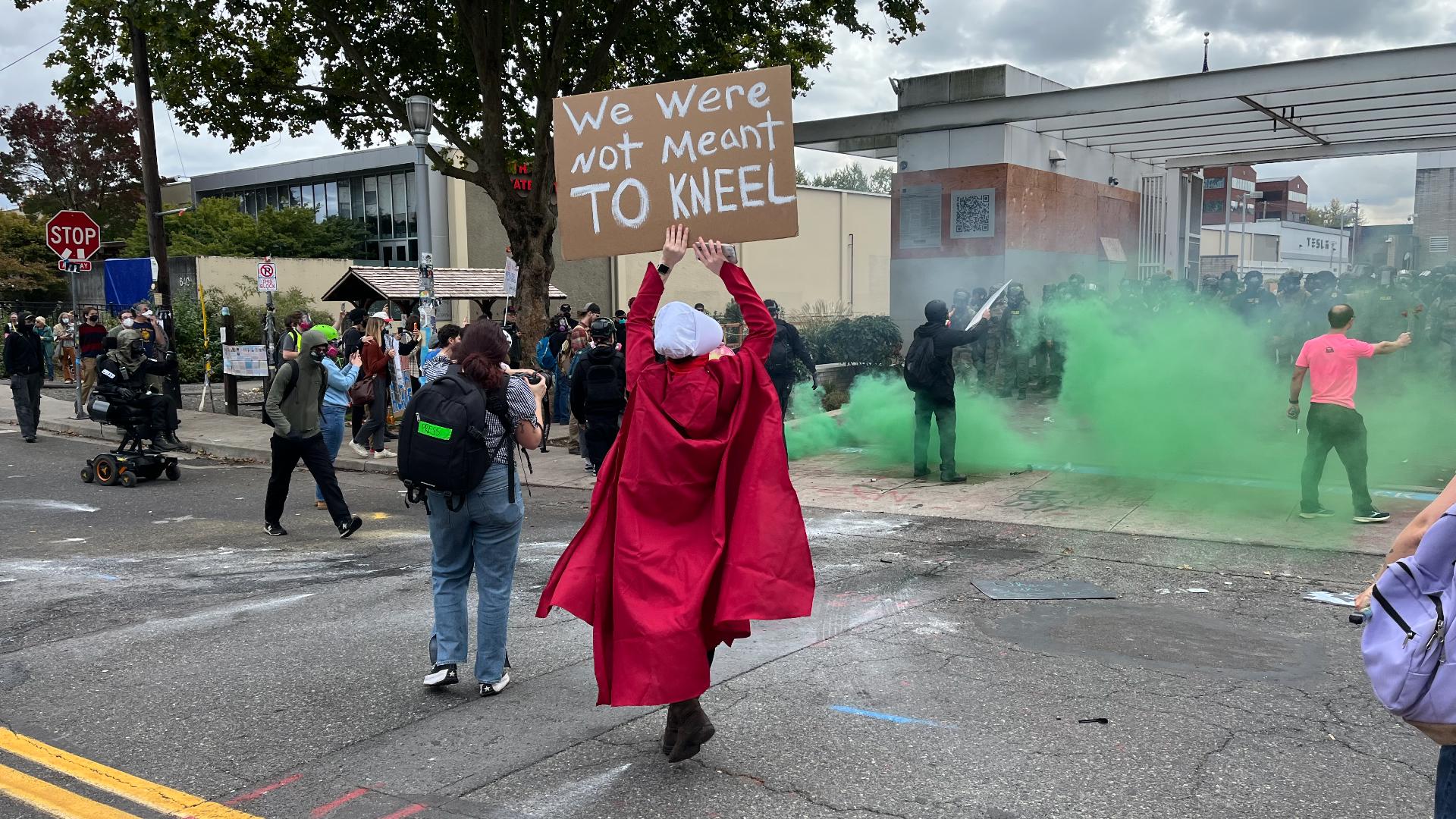
The recent case involving John Paul Cupp in Portland casts a spotlight on the delicate balance between free expression and the threat of violence in our modern society. Cupp, a 45-year-old man, stands accused of making violent threats against federal law enforcement officers and their families at an Immigration and Customs Enforcement (ICE) facility. The allegations detail that on October 14, 2025, as law enforcement closed in on a crowd, Cupp unleashed comments that many find both intimidating and disturbing. Subsequent online videos posted on November 3 and November 13 reiterated his threats, fueling public controversy and raising hard questions about accountability in an era riddled with tension and controversial online rhetoric.


In this opinion piece, we take a closer look at the tangled issues underlying this case. By examining the legal implications and the societal impact of such inflammatory behavior, we hope to present an even-handed analysis that goes beyond sensational headlines. We will break down the events, discuss the significance of the FBI’s vigorous approach to violent extremism, and address the broader cultural context in which such threats are made. Throughout this discussion, we will also offer a look at the confusing bits of legal jurisprudence and enforcement strategies that make these cases particularly challenging.


Contextualizing the Threats: The ICE Facility and Public Safety

The ICE building in South Portland has, in recent years, become a stage for protests and intense public debate about immigration policies as well as federal law enforcement practices. The conflict that unfolded on October 14, 2025, can be seen as one of many episodes where charged rhetoric escalated into volatile encounters. In this particular incident, law enforcement officers were confronted with threats that went beyond mere hyperbole—they were statements that directly targeted their lives and those of their families.


When we examine the events of that day, we find several layers. First, there is the immediate public safety concern of officers facing physical harm, compounded by online perpetuation of these threats. Second, there is the broader symbolism at play: these acts are not just isolated outbursts but part of a disturbing trend in which politically charged rhetoric transforms into direct challenges against those tasked with upholding the law. The situation brings forward the nerve-racking question of how far free speech extends when it steps into the realm of explicit violence.


Identifying the Intimidating Elements in Online Rhetoric

John Paul Cupp’s case is particularly illustrative of the modern dilemma of digital communication. The suspect’s repeated use of violent rhetoric online—where he not only threatened to kill law enforcement officers but also made degrading comments about their family members—reveals a pattern. Below is a summary list of the key intimidating actions taken by Cupp:

  • Verbal threats made in person as police approached a crowd.
  • Online posts reasserting his intention to cause harm to law enforcement and their families.
  • Use of inflammatory language that contributes to a charged online environment.


These actions compound the challenges law enforcement faces when digital content becomes a platform for dangerous ideas. The combination of in-person outbursts and widespread online posting creates an environment where threats are amplified beyond their immediate context. This development forces agencies like the FBI and the U.S. Attorney’s Office to not only respond to the immediate danger but also to address the broader spread of violent rhetoric in digital spaces.


Legal Considerations: Assessing the Seriousness of the Charges

Legally, the nature of the charges against Cupp involves several tricky parts. The core allegation is a charge of threatening a federal law enforcement officer—a crime that holds significant weight in the legal system. However, beneath the surface lies a series of confusing bits that require careful consideration. The defining line between protected speech and a criminal threat becomes particularly blurred when the expression involves violent overtones. Distinguishing between hate speech, extremist propaganda, and outright criminal threats requires a nuanced understanding of not just the law but also the medium in which such messages are disseminated.


It is also important to note that Cupp is described by the FBI as a “prolific producer of online content” who regularly posts aggressive rhetoric, antisemitic threats, and calls for war against the United States. This profile underscores the legal system’s struggle to keep up with individuals who use modern digital technologies to propagate dangerous ideas. The current legal framework often finds itself working through these tricky parts, trying to figure a path that upholds freedom of speech while also ensuring public safety.


Challenges in Interpreting Online Speech in a Legal Context

The role of digital communication in legal cases such as this one introduces several points that require extra attention:

  • Freedom of Expression vs. Threatening Behavior:

    While the First Amendment protects a wide range of expression, it does not safeguard incitement to violence. Determining when speech crosses that line—especially online where messages can be shared repeatedly and without context—is one of the more complicated pieces in modern legal debates.

  • The Nature of Digital Evidence:

    Online posts, videos, and social media activity serve as a veritable digital footprint that can either bolster or undermine a case. Judges and juries must sort through these layers and separate mere opinions from actionable criminal threats.

  • Ensuring Public Dialogue While Upholding the Law:

    There is a public interest in maintaining robust discussions around issues such as immigration and federal law enforcement. However, when discussions become loaded with explicit calls for violence, the resulting tension puts both community safety and legal protections at risk.


These points illustrate the nerve-racking challenges that lie ahead for prosecutors and defense attorneys alike as they attempt to argue a case that sits at the intersection of free speech and public safety.


Societal Impact: How Violent Rhetoric Affects Our Communities

The allegations against Cupp extend beyond legal consequences. They also prompt a broader discussion on the nature of American discourse in an age where extremist viewpoints are increasingly visible online. The use of violent language not only instills fear among those who are directly threatened, but also sows discord among different segments of society.


When public figures or private citizens resort to aggressive online messages, there is an undeniable impact on the community’s overall sense of security. In this case, the repeated threats targeting law enforcement and their families evoke images of a society where violence is normalized in debate – a scenario that is both intimidating and disturbing.


Assessing the Ripple Effects of Extremist Rhetoric

To better understand the societal implications of such rhetoric, consider the following aspects:

  • Undermining Trust in Law Enforcement:

    When threats against officers and their loved ones become commonplace in online discussions, it erodes the mutual trust between communities and the institutions designed to protect them.

  • Encouragement of Copycat Behavior:

    Extremist rhetoric can potentially inspire others to engage in similar behavior, creating a chain reaction of intimidation across communities.

  • Polarization of Public Opinion:

    Actions like those attributed to Cupp contribute to a divided public sphere where debates are less about ideas and more about personal vendettas against those who stand on the other side of law enforcement or political ideology.


It is essential to recognize that the impact of such rhetoric is not confined to those directly mentioned in the threats. The broader community, including vulnerable groups that may be doubly targeted by hate speech, suffers when violent language becomes acceptable in the public sphere.


Law Enforcement’s Response: Commitment to Public Safety and Justice

In response to these episodes, law enforcement agencies have made it abundantly clear that attempts to intimidate those charged with protecting the public will be met with vigorous action. FBI Director Kash Patel’s statement that “if you threaten to kill law enforcement officers or harm their families, you will face the full weight of the federal government” encapsulates the federal commitment to counteracting extremist threats. This message serves as both a deterrent and an advocacy point on the serious nature of such actions.


Moreover, U.S. Attorney Scott E. Bradford’s insistence that criminal threats of violence will be prosecuted to the fullest extent of the law reinforces a robust legal stance. Acting FBI Special Agent in Charge, Matt Torres, further underscored the zero-tolerance policy towards the use of violent rhetoric. In an environment filled with confusing bits and off-putting threats, such statements are key for maintaining the rule of law and reassuring the public that their safety is paramount.


Steps Taken by Federal Agencies to Counter Violent Extremism

Federal agencies have implemented comprehensive strategies to address the modern challenges posed by extremist content. These include:

Initiative Description
Enhanced Cyber Surveillance Monitoring online platforms for signs of violent and extremist rhetoric that could translate into real-world harm.
Rapid Response Teams Deploying specialized teams to investigate incidents where threats are made, ensuring a swift legal response.
Community Outreach Programs Engaging with community leaders and organizations to counteract the spread of violent ideologies and promote public safety.
Interagency Collaboration Cooperating across federal, state, and local law enforcement to create a unified response to extremist behavior.


These initiatives highlight a collective responsibility: while individuals retain the right to express their opinions, there is a super important perimeters within which such expression must operate. Violent threats, especially those made with an eye toward inciting further harm, are unequivocally outside the bounds of protected speech.


Debating the Balance: Free Speech Versus Public Safety

At the heart of many legal debates surrounding cases like these lies the tension between protecting free speech and ensuring public safety. It is an ongoing conversation in a society that highly values both individual liberties and communal security. The case of John Paul Cupp forces us to ask difficult questions about where to draw the line between expressive dissent and criminal intimidation.


It becomes tricky when the platform for expression is a digital medium that allows content to spread rapidly and be ingrained into public consciousness. With the freedom to post videos, tweets, and live streams, individuals can broadcast their opinions to a vast audience in an instant. The most challenging pieces in the legal arena involve separating rhetoric that constitutes mere expression from that which crosses into the realm of criminal behavior.


Evaluating the Legal Threshold for Criminal Threats

In order to determine whether a statement qualifies as a criminal threat, courts often examine the following factors:

  • Intent:

    Was the speech intended to intimidate or incite violence? The intent behind the words can provide significant insight into whether the expression exceeds protected boundaries.

  • Context:

    What circumstances surrounded the communication? This includes both the physical setting and the digital platform used.

  • Likelihood of Harm:

    Is there a realistic possibility that the statements could inspire actual violence or harm?

  • Repeated Behavior:

    Are the threats isolated incidents or part of a larger pattern of aggressive rhetoric? Patterns may indicate a calculated intent rather than a spontaneous outburst.


An effective legal argument must take into consideration these subtle details and little twists of interpretation. While it is critical to safeguard free speech, courts have increasingly recognized that speech which directly incites violence or endangers public figures does not enjoy the same protection.


Impact on the Legal System: Evolving Strategies in Tackling Extremism

The evolving nature of extremist threats, particularly as they manifest online, presents new challenges that the legal system must address. The digital landscape has given rise to a hybrid form of public discourse where traditional boundaries are blurred. This has necessitated the development of new investigative tools and legal interpretations to deal with cases that are both off-putting and replete with problematic complexities.


Agencies like the FBI are working through these complicated pieces by adapting to the digital age. Their strategies are evolving to address not just traditional crime but also the proliferation of extremist content on the Internet. The evolution of these strategies is vital in maintaining public trust and in ensuring that extremist threats are met with a robust and effective legal response.


Modernizing Investigative Techniques in a Digital World

In responding to cases like Cupp’s, law enforcement employs several modern methodologies:

  • Digital Forensics:

    Analyzing online activity to build a timeline of posts, videos, and digital interactions that can be used as evidence in court.

  • Social Media Monitoring:

    Tracking online conversations and identifying patterns of extremist behavior across multiple platforms.

  • Advanced Data Analytics:

    Utilizing technology to sift through large volumes of data quickly, enabling a more efficient identification of threats.

  • Legal Precedents:

    Relying on past cases and judicial interpretations to define the limits of acceptable speech in the digital age.


These modern techniques are essential for agencies that must find their way through a constantly shifting environment. They enable a more precise interpretation of online statements and support efforts to hold offenders not just morally accountable, but legally responsible for their actions.


Political Narratives and Public Perception: The Role of Media in Shaping Debate

The highly publicized nature of this case has sparked significant media attention, which in turn influences public perception of not only the accused individual but also the broader political and legal debates in our society. The media portrayal of inflammatory rhetoric, particularly when it comes from a figure labeled as extremist, has an undeniable impact on the public’s understanding of free speech and public safety.


Fox News, along with other media outlets, has played a significant role in framing the narrative. Headlines focus on the direct threats to law enforcement and the severity of the accused’s actions. While such coverage is essential for holding individuals accountable, it also stokes a tense atmosphere. This tension can sometimes obscure the deeper legal and societal questions that underlie these incidents, such as the challenge of balancing free expression with safeguarding public order.


Media Framing and Its Effect on Legal Outcomes

Media plays a critical role in shaping both legal and public narratives. Here are some of the ways in which it impacts the discourse surrounding cases like this:

  • Simplification of Complex Issues:

    In seeking engagement and immediate reactions, headlines often reduce multifaceted legal challenges into sensational catchphrases, which can oversimplify the issues at hand.

  • Public Pressure on Law Enforcement:

    Intense media scrutiny sometimes forces federal agencies to adopt a more aggressive stance, both to ensure public safety and to mitigate backlash.

  • Shaping Policy Debate:

    Consistent coverage of violent rhetoric and extremist behavior influences legislative debates, pushing lawmakers to address these issues with new regulations and policies.


It is crucial for the media to strike a balance—reporting reliably on these incidents while allowing space for a comprehensive discussion of the legal fine points. A well-informed public is critical in a democracy where both free speech and safety are considered indispensable.


Community Outreach and Preventative Measures: Rebuilding Trust and Safety

In the wake of such alarming episodes, community outreach and engagement have become more important than ever. Ensuring that communities feel safe in the face of intimidating behavior is a task that falls not only on the shoulders of law enforcement but also on community leaders, local organizations, and even the media. When violent online threats target law enforcement and their families, the sense of insecurity extends beyond individual harm and ripples through entire communities.


Efforts to restore and rebuild trust include initiatives aimed at creating open channels of communication between citizens and public safety officials. Programs designed to educate on the implications of online rhetoric, as well as community forums that promote dialogue and understanding, play a pivotal role in addressing the divided sentiments that such cases often spark.


Practical Approaches to Fostering Community Confidence

Here are some practical steps that communities and public safety agencies can take to manage these challenging situations:

  • Regular Meetings and Public Forums:

    Organizing town halls and public forums where community members can ask questions and receive updates directly from law enforcement can help bridge the trust gap.

  • Educational Workshops:

    Hosting workshops focused on digital literacy and the dangers of extremist online content enables citizens to discern harmful rhetoric from critical discussion.

  • Collaborative Partnerships:

    Building partnerships with local community organizations, schools, and activist groups to promote mutual understanding and proactive safety measures.

  • Transparent Communication:

    Ensuring that law enforcement agencies communicate clearly and promptly about ongoing investigations builds a sense of shared responsibility and accountability.


Such initiatives underscore a proactive approach to reducing the potential for violent rhetoric to escalate into further acts of intimidation. By engaging directly with citizens and addressing the root causes of mistrust, authorities and communities together can make their neighborhoods safer and more resilient.


Reflections on Legal Precedents and Future Directions

This case, while disturbing on its face, offers an opportunity for policymakers, legal professionals, and community leaders to reflect on existing legal precedents and consider future reforms. The tension between protecting public discourse and preventing criminal behavior is not new, but the digital age has magnified the scope and scale of the challenge.


Legal precedents in cases involving threats against law enforcement provide a framework—however, they are often based on solid old principles that must now adapt to new methods of communication. The evolving nature of online speech means that the nitty-gritty of legal interpretations must be scrutinized and updated where necessary to maintain accountability without stifling legitimate dissent.


Key Considerations for Future Legal Frameworks

As we look toward future legal strategies, several key considerations emerge:

  • Updating Statutory Definitions:

    Legislatures may need to revisit the definitions of criminal threats and hate speech, taking into account the unique challenges posed by digital media.

  • Balancing Enforcement and Protection:

    Ensuring that laws adequately protect both free speech and public safety without disproportionately targeting political dissent is essential.

  • Integrating Technology and Law:

    Investing in technology that aids in the swift identification and contextual analysis of online threats can empower law enforcement and protect civil liberties concurrently.

  • Interdisciplinary Collaboration:

    Bringing together legal scholars, technology experts, and community leaders to review and propose updates can create balanced solutions that address modern challenges.


These measures, if implemented thoughtfully, hold the potential to enhance rather than undermine the democratic ideals of free expression and personal security. It is through collaborative, well-informed reforms that we can hope to find a sustainable path forward.


Concluding Thoughts: Striking a Delicate Balance in an Era of Extremism

The case of John Paul Cupp forces us to confront uncomfortable realities about extremist rhetoric, the role of law enforcement, and the evolving nature of political discourse. Although his actions have been rightfully condemned and subjected to intense legal scrutiny, the discussions prompted by this case are far from over. The complexities inherent in balancing free speech with public safety have only become more intimidating in a time when communication technologies allow for rapid and widespread dissemination of violent ideas.


As legal professionals and thoughtful citizens, we must recognize that the path forward involves working through the tangled issues that define this era. Our legal system, while historically robust, must continue to adapt to the digital landscape. The small distinctions in language, intent, and context can make all the difference when determining the legality of acts that straddle the line between protected expression and criminal conduct.


Moreover, engaging in open, honest dialogue about these challenging topics is super important. We must strive to ensure that law enforcement agencies are empowered to protect public safety without infringing on individual liberties, while also ensuring that discussions remain nuanced rather than devolving into soundbites. In doing so, we help maintain the democratic principles upon which our legal system is built.


Ultimately, confronting issues such as these requires a concerted effort from lawmakers, law enforcement, community advocates, and the media. Every stakeholder plays a role in either accentuating or alleviating the tensions that emerge from controversial speech. By taking a closer look at cases like that of John Paul Cupp, we have an opportunity not only to hold individuals accountable but also to reflect on our collective responsibilities in a digital age so full of problems.


Final Reflections on Community and Justice

The events in Portland serve as a reminder that when violent rhetoric is allowed to proliferate unchecked, it affects far more than just those immediately targeted. It undermines the essential trust between citizens and those tasked with maintaining public order and safety. In recognizing this, we must all work diligently—whether through legal reform, community engagement, or responsible journalism—to ensure that our society can steer through the twists and turns of modern political discourse with both integrity and fairness.


While the legal proceedings in this case will ultimately seek to address the immediate concerns raised by Cupp’s actions, the broader conversation is one that requires long-term, thoughtful engagement. It is through such dialogue, built on a foundation of transparent and neutral analysis, that we can hope to rebuild trust, promote safety, and foster an environment where contentious ideas are debated in a manner that respects both individual freedoms and the collective need for security.


In conclusion, our legal system must continue to find your way through these challenging pieces of modern communication while ensuring that the right to express dissent is preserved. At the same time, it must be unequivocal in its stance against threats that imperil the lives of those sworn to protect us. Only by reconciling these seemingly opposing forces can we hope to maintain a society in which both justice and free speech endure.


Key Takeaways: Building a Safer Future Together

As we reflect on this case and its broader implications, consider these final points:

  • Legal Adaptation:

    The law must evolve to understand and manage the subtle parts of modern digital communication.

  • Community Involvement:

    Active dialogue and community outreach are essential in mitigating the effects of extremist rhetoric.

  • Balanced Reporting:

    The media has a responsibility to present nuanced, balanced perspectives that go beyond sensational headlines.

  • Collective Responsibility:

    From lawmakers to law enforcement and citizens, every stakeholder must work together to ensure that our society remains both free and safe.


In navigating these tricky parts of modern discourse, let us commit to an approach that respects individual liberties while proactively safeguarding against threats. The challenges may be overwhelming and the path ahead fraught with tension, but through thoughtful collaboration and strategic legal reforms, we can build a safer, more resilient future for all members of our community.

Originally Post From https://www.fox10phoenix.com/news/portland-protester-accused-threatening-officers-families-ice-facility

Read more about this topic at
Empowering Local Partners to Prevent Violent Extremism ...
Terrorism definitions

Share: