
Wednesday, July 23, 2025

Man arrested for impersonating federal agent at Phoenix light rail station

False Claims of Federal Authority: A Legal and Social Perspective

The recent incident at a Phoenix light rail station—where a man falsely claimed to be a federal agent with Immigration and Customs Enforcement (ICE)—has ignited a vigorous debate about public trust, legal accountability, and the challenges law enforcement faces when confronted with deceptive behavior. This case, involving 52-year-old Jose Herrera, not only underscores issues related to the administration of justice but also highlights the tangled issues around authority, identity verification, and community safety.

When Herrera confronted and even physically apprehended a Valley Metro Light Rail security guard, claiming that the officer had interfered with his so-called investigation, it immediately raised questions about the responsibilities and procedures of both private security and public law enforcement. In a maneuver that can be described as both nerve-racking and confusing, Herrera’s inability to provide any credible credentials—despite multiple requests—sparked an immediate intervention by Phoenix police officers. Once on the scene, these officers encountered a situation that was not only off-putting but also full of problems, as the suspect insisted he was working for the feds while simultaneously refusing to offer any form of verifiable identification.


The Legal Implications of Falsely Claiming Federal Status

Falsely representing oneself as a federal agent is no trivial matter. Such actions are generally viewed as a direct attack on the legal system's proper functioning and the critical trust that the public places in government institutions. In this case, legal experts suggest that Herrera’s behavior may warrant charges that extend beyond simple disorderly conduct, potentially involving fraud and violation of laws meant to prevent impersonations of law enforcement officers.

It is essential to recognize that while law enforcement officers are trained to manage the tricky parts of difficult investigations, instances like these add another layer of complexity. The situation becomes even more tangled when a suspect invokes federal authority as a shield. The legal system, designed to be both impartial and precise, finds itself navigating a labyrinth of twisted issues when individuals blur the lines between actual federal responsibility and personal delusions of authority.


Standards for Proving Federal Employment

One of the critical questions that arises from this case is: How can police efficiently and reliably verify whether someone is truly an undercover federal agent? The process is often loaded with issues, involving multiple agencies and cross-checking procedures. In Herrera's case, multiple attempts were made by the Phoenix police to verify his credentials with Border Patrol and ICE. Both agencies confirmed that there was no record of him being employed as a federal officer. This was a decisive moment that not only discredited his claims but also underscored the importance of identity verification in such cases.

The incident prompts a broader discussion about how law enforcement should go about handling cases where a suspect's claims of federal affiliation are made. Specifically:

  • Law enforcement agencies must have a clear protocol to quickly cross-reference suspects' credentials with multiple institutions.
  • There needs to be a dedicated task force or liaison office that oversees such verification processes, reducing the nerve-racking delays often encountered in the field.
  • Community trust hinges on the ability of police to both protect and serve, which includes ensuring that imposters do not undermine the public’s confidence in genuine federal authorities.


Balancing Civil Liberties with Public Safety

This case is also a starting point for a broader debate on civil liberties versus public safety. When an individual claims to be an undercover agent and outright challenges the legal authority of public officers, the situation quickly escalates. Officers are placed in a difficult position wherein they must respect the rights of an individual while also ensuring community safety. The moment Herrera refused to share his identity—saying he did not need to provide credentials since he allegedly worked for the feds—public officials were forced to take action to prevent any potential danger.

Legal proceedings now have to navigate a series of subtle parts, including the limits of free speech and the protections offered by the Constitution. At first glance, the refusal to present identification might seem like a simple act of defiance. However, upon closer examination (or taking a closer look), it stands as a more significant challenge. It forces society to confront the delicate balance between maintaining public order and upholding individual rights—a topic that, while full of problems, is critical to our justice system.


Law Enforcement Challenges: Dealing with Deception on the Job

One of the more immediate concerns raised by this incident is the overall difficulty law enforcement faces when trying to manage such chaotic encounters. When a suspect is not only aggressive but also deliberately deceiving authorities by invoking a federal title, officers must work through a series of complicated pieces—including verifying credentials, ensuring public safety, and managing the suspect’s behavior. This multifaceted challenge is one that law enforcement agencies are all too familiar with, yet it remains a significant hurdle in routine operations.

In many ways, this case is a classic example of modern law enforcement having to figure a path through situations laden with tension. Here are some ways in which similar cases might be handled more efficiently:

  • Enhanced Training Programs: Officers and security personnel could benefit from more specialized training sessions that focus on the fine points of quickly recognizing false claims of federal authority. This includes understanding the little twists in behavior and using secure communication channels to verify claims during an encounter.
  • Integrated Communication Systems: Building a robust, real-time communication infrastructure between local law enforcement and federal agencies like ICE can help reduce delays and make the process of credential verification less nerve-racking.
  • Clear Legal Guidelines: Establishing clearer statutory guidelines regarding the impersonation of federal officials can also help streamline the process for making arrests and pursuing legal actions. This measure could potentially include stiffer penalties that act as a deterrent against such behavior.


Understanding the Role of Security Personnel

Security guards, often at the front lines of such interactions, play a pivotal role in maintaining the safety of the public. In the Phoenix incident, the Valley Metro Light Rail security guard was confronted in a manner that was not only intimidating but also physically aggressive. Despite being in a position dedicated to ensuring the safety of commuters, the security guard found himself in a situation that was full of problems, dealing with both aggressive behavior and unfounded claims of authority.

It is important for organizations employing security personnel to implement measures that help them manage such encounters. A few suggestions include:

  • Advanced Conflict Resolution: Offering more comprehensive training in conflict management and self-defense can prepare security guards for sudden, tense encounters with individuals asserting false authority.
  • Legal Awareness Workshops: Understanding the boundaries of their own roles and the legal implications of such incidents is vital. Security staff should be aware of when to defer to law enforcement and how to document problematic behaviors correctly.
  • Coordination with Local Police: Developing a well-established protocol for immediate assistance in situations that escalate quickly can help reduce the nerve-racking impact of physical confrontations.


Implications for Public Trust and Government Integrity

Perhaps one of the most concerning aspects of this case is its effect on public trust. When an individual falsely claims to be a federal agent, it not only endangers public safety but also undermines confidence in government institutions. This erosion of trust can lead to wider societal repercussions, making it crucial to address such matters promptly and effectively.

In today’s social climate, where there is already a strong schism between public opinion and governmental actions, every incident that involves misleading claims of federal authority adds another layer of tangled issues. Society depends on the integrity of official identification measures and proper protocols for verifying authority. When such a system is exploited—even by a single individual—the integrity of the entire structure is called into question.


Effects on Community Relations

Community trust in law enforcement is super important, and any case that involves the misuse of federal imagery risks disturbing that trust. Citizens may become more wary of interactions with any official, fearing that legitimacy could be compromised. As a reaction to such incidents, community outreach programs and clear communication channels between police departments and the public are essential to restore confidence.

The situation calls for a balanced approach that considers the overlapping concerns of civil liberties and community safety. The incident with Jose Herrera serves as a cautionary tale, reminding us that every allegation of inflated federal claims can quickly spiral into a broader debate about governmental legitimacy. To help restore trust, the following strategies should be considered:

  • Improved Transparency: Law enforcement agencies should regularly communicate their procedures and provide reassurance about the thoroughness of identity checks.
  • Community Engagement Initiatives: Open forums and town hall meetings where citizens can voice their concerns and gain insights into law enforcement methodologies can help bridge the gap between government and the community.
  • Independent Oversight: Establishing third-party oversight committees to evaluate incidents like these ensures that investigations remain impartial and fair, reinforcing public trust.


Repercussions for Misusing Federal Authority

The legal repercussions for impersonating a federal authority extend well beyond the immediate consequences faced by the individual. Such acts, when left unaddressed, can lead to a slippery slope where the rules that govern public behavior gradually erode. In this case, Herrera’s refusal to provide identification and his aggressive behavior not only disrupted the normal functioning of law enforcement but also risked causing broader societal instability by promoting a disrespect for due process.

Legal scholars point out that this type of deception does not operate in isolation—it reverberates through the system of checks and balances that underpin our legal institutions. The potential harm includes:

Issue Potential Impact
Impersonation of Federal Agents Undermines the integrity of law enforcement operations and public trust.
Refusal to Comply with Verification Procedures Creates delays and confusion during emergency responses, jeopardizing public safety.
Aggressive Behavior Toward Officers May escalate into physical confrontations, increasing the risk of harm to both officers and civilians.

Such outcomes emphasize why it is super important for the legal system to treat impersonation offenses with the seriousness they deserve. The repercussions extend well beyond the individual, affecting the entire community and the public’s relationship with federal and local authorities.


Accountability and the Role of the Judiciary

The judicial response to instances of false federal impersonation plays a crucial role in setting precedents for future behavior. In the case at hand, Herrera was held on a bond of $10,050 for the charge and a probation violation—a decision that reflects both the seriousness with which the courts view such offenses and the broader need to deter similar behavior in the future.

The decision to impose such a bond is based on clear legal standards designed to ensure accountability. It sends a message that the legal system is not willing to tolerate behavior that disrupts the public order or undermines the legitimacy of authoritative institutions.

Moreover, judicial action in these instances provides important insights into how courts manage offenders who exhibit aggressive behavior combined with deceptive claims. The implications for future conduct are significant, as the courtroom becomes a crucial arena for resolving the tangled issues that arise when an individual’s claims threaten to destabilize a system built on verified responsibilities and due process.


The Importance of Proportional Sentencing

Proportional sentencing in cases like this serves two key functions. First, it ensures that the punishment fits the crime, taking into account the intimidating impact of the offender’s actions. Second, it acts as a deterrent against potential imitators who might be tempted to misuse the guise of authority for personal or misguided reasons.

Judges must take into account several factors, including the suspect’s refusal to cooperate, the physical altercations involved, and the broader implications for law enforcement's ability to function effectively in public spaces. In doing so, they help maintain an equilibrium where the rights of the individual are respected, yet the overarching need for community safety and institutional trust is not compromised.


Reflection on the Role of Judicial Oversight

The broader judicial review of such incidents must also consider whether existing laws are robust enough to deal with the subtle parts of deception like those exhibited by Herrera. The evolving nature of impersonation in the digital age and increasingly complex societal interactions may demand a fresh look at the penalties and legal frameworks associated with such offenses. Legal reforms might include:

  • Revised Statutory Language: Clarifying definitions and penalties related to impersonation can help law enforcement and courts better address these deceptive practices.
  • Enhanced Interagency Collaboration: Greater coordination between local, state, and federal courts can streamline responses and ensure that justice is both fair and prompt.
  • Regular Review of Judicial Precedents: Continuous assessment of case outcomes can provide valuable insights into the effectiveness of current laws and suggest necessary reforms.


Examining the Societal Impact Beyond the Courtroom

While the immediate legal consequences for impersonating a federal agent are critical, the wider societal implications of this case cannot be ignored. Such incidents have a ripple effect that extends far beyond courtroom drama. They impact everyday citizens and challenge the fine shades in the relationship between authority figures and the general public.

The public’s ability to differentiate between genuine federal agents and imposters is a subtle detail that has become increasingly important in recent times. With social media and digital news sources rapidly disseminating information, the potential for misinformation is high. Ensuring that the community can trust its official channels is a task that requires ongoing vigilance from government agencies and law enforcement alike.


Building Community Resilience Against Misinformation

One of the most difficult twists in today’s information landscape is combating misinformation and ensuring that the public is not swayed by deceptive claims. Herrera’s case serves as an example of how false narratives can undermine confidence in law enforcement. To counteract this, several measures can be adopted:

  • Public Education Campaigns: Launching initiatives to educate citizens about how to verify the authenticity of law enforcement officers can empower communities to make informed decisions.
  • Transparent Communication: Regular updates from law enforcement regarding incidents, investigations, and verification procedures help counter false rumors and build trust.
  • Collaboration with Media: Responsible journalism that critically examines these incidents while providing clear factual accounts can help mitigate the spread of misleading information.


The Role of Social Media in Shaping Public Perceptions

With the digital age in full swing, cases like Herrera’s are often magnified on social media platforms. The rapid circulation of information—whether accurate or not—can create an environment that is both tense and filled with problems. Key considerations include:

  • Timeliness: Quick, fact-based updates can help prevent the spiral of misinformation that often accompanies such incidents.
  • Clarity: Clear and concise language that explains the procedures and legal principles involved is essential. This helps the public understand the little details that define the boundaries between legitimate authority and deceptive claims.
  • Engagement: Law enforcement agencies that actively engage with the community online can help dispel myths and reinforce public confidence in official procedures.


Analyzing the Incident From a Broader Policy Perspective

The incident at the Phoenix light rail station is unfortunate but instructive, providing a case study of the many ways in which individual actions can have broader political, legal, and societal repercussions. When one person falsely claims federal credentials, it is not merely an isolated criminal act; rather, it becomes a catalyst for discussing wider policy reforms that address key concerns around security, identity verification, and the integrity of law enforcement operations.

Policy makers must now work through a maze of issues to design systems that better protect citizens while also safeguarding the rights of individuals. This balancing act is full of problems and requires addressing several intertwined areas:

  • Legal Definitions and Enforcement: Crafting more precise legal language around impersonation and ensuring that penalties are appropriately scaled can deter potential offenders.
  • Interagency Coordination: Streamlined processes that allow for quick and accurate verification of a person's credentials can help ease the nerve-racking challenges faced by on-ground law enforcement.
  • Community Policing Practices: Encouraging more transparent interactions between law enforcement and local communities can restore confidence and reduce the chances of misinterpretations or false claims of authority.


Enhancing Legal Frameworks for Identity Verification

One approach to mitigating issues like those seen in Herrera’s case is to enhance the legal and administrative frameworks that govern identity verification for law enforcement officers. Potential enhancements include:

  • Uniform Identification Standards: Establishing a universal standard for credentials that is recognized across federal, state, and local agencies would make it simpler for officers at the scene to ascertain authenticity.
  • Real-Time Database Access: Providing law enforcement with secure, real-time access to updated federal databases could help resolve verification puzzles quickly, reducing delays in critical decision-making situations.
  • Robust Audit Mechanisms: Regular audits of identification procedures and performance reviews of verification processes would help pinpoint trouble spots and allow for thoughtful reforms.


Lessons Learned for Future Policy Development

The Herrera incident should serve as a wake-up call for both legal professionals and policymakers. Key lessons include:

  1. The Need for Swift Action: Delays in verifying criminal claims, especially those involving false authority, can exacerbate public danger. Quick and efficient protocols are essential.
  2. Enhanced Training for Officers: Regular briefings and scenario-based training sessions can prepare law enforcement for the little twists and physical challenges that come with dealing with imposters.
  3. Public Awareness Campaigns: Educating the public about how to recognize and report suspicious behavior related to impersonation can help diffuse situations before they escalate.


Community Reflections and the Road Ahead

At its core, the Herrera case is not just about one man’s misguided claims or aggressive behavior—it represents a microcosm of larger societal challenges. When fake authority is asserted in a public space, it disrupts the sanctity of trust that binds our legal and civic institutions together. The case invites us all—law enforcement, policymakers, and citizens—to take a closer look at our collective responsibilities regarding public safety, legal accountability, and the integrity of our institutions.

Community reactions are expected to be mixed. While some may see the incident as an isolated anomaly, others worry about the broader implications for public trust. In today's environment, where every interaction is scrutinized and the line between fact and fiction can become blurred, building a resilient community is absolutely critical.


A Call for Enhanced Collaboration

The path forward requires us to manage our way through this maze of challenging social dynamics with understanding and cooperation. Law enforcement agencies, legal institutions, and local communities must work together to figure a path that emphasizes transparency and fairness. This collaboration will be key to ensuring that trust is maintained, and that any attempts to misuse federal symbolism are swiftly countered by robust legal measures.

Community advisory boards, joint training exercises between federal and local agencies, and consistent outreach efforts can all help foster an environment where law enforcement is seen as both protective and just. These efforts can dispel the slight differences between legitimate authority and misguided impersonation, steering public sentiment towards a more informed and unified stance.


Future Challenges and Opportunities in Public Safety

Every legal incident brings with it a set of challenges, but also opportunities for improvement. Authorities must continue to innovate and refine their practices to keep pace with the nerve-racking transformations in our society. Issues such as the following are on the horizon:

  • Cyber Impersonation: As digital channels become another front for impersonation and misinformation, law enforcement must also build capabilities to address online deceptions.
  • Evolving Legal Norms: The laws governing impersonation may need to evolve in response to new methods of deception, necessitating ongoing dialogue between lawmakers and law enforcement experts.
  • Integrated Training Programs: Future training should combine traditional on-ground tactics with modern digital literacy to ensure that officers can properly identify and respond to both physical and online deceptions.


Conclusion: A Cautious Optimism for Reform

In summary, the arrest of Jose Herrera for falsely claiming to be an undercover federal agent highlights several tricky parts of our legal and social systems. It forces us to take a closer look at how law enforcement verifies authority, the legal repercussions of impersonating federal officials, and the delicate balance between preserving civil liberties and maintaining public safety. While the incident itself was unsettling and filled with confusing bits, it also presents a unique chance for reform and improvement that could ultimately fortify community trust and legal efficacy.

As we continue to work through these challenges, it is clear that robust dialogue, improved training systems, and enhanced identification protocols are must-have elements for future success. Government institutions must be both transparent and adaptable, taking the wheel in steering communities towards safer, more informed practices. While the road ahead might be intimidating at times, a committed collaborative effort among law enforcement, legal experts, and community members can help figure a path that is both just and practical.

The Herrera case is a stark reminder that no matter how small the deception may appear at first glance, its ripple effects can be extensive. However, if we learn from these difficult experiences, invest in progressive policy solutions, and build bridges of communication between all tiers of authority, then our legal system—while occasionally confronted by off-putting incidents—will remain resilient, fair, and ultimately worthy of the public trust.

This incident, with its immediate legal outcomes and broader societal implications, challenges us to re-examine our systems and ensure that every citizen can feel secure in the knowledge that institutional integrity is never compromised. It is a call to action for all stakeholders to get into the details, address the subtle parts that make each situation unique, and work tirelessly to guarantee that justice—not false claims—is what prevails in the end.

Originally Post From https://www.abc15.com/news/local-news/man-arrested-after-falsely-claiming-to-be-federal-agent-at-phoenix-light-rail-station

Read more about this topic at
US sees spate of arrests of civilians impersonating Ice ...
ICE Agent Imposter Scam | disb
Share:

Tuesday, July 22, 2025

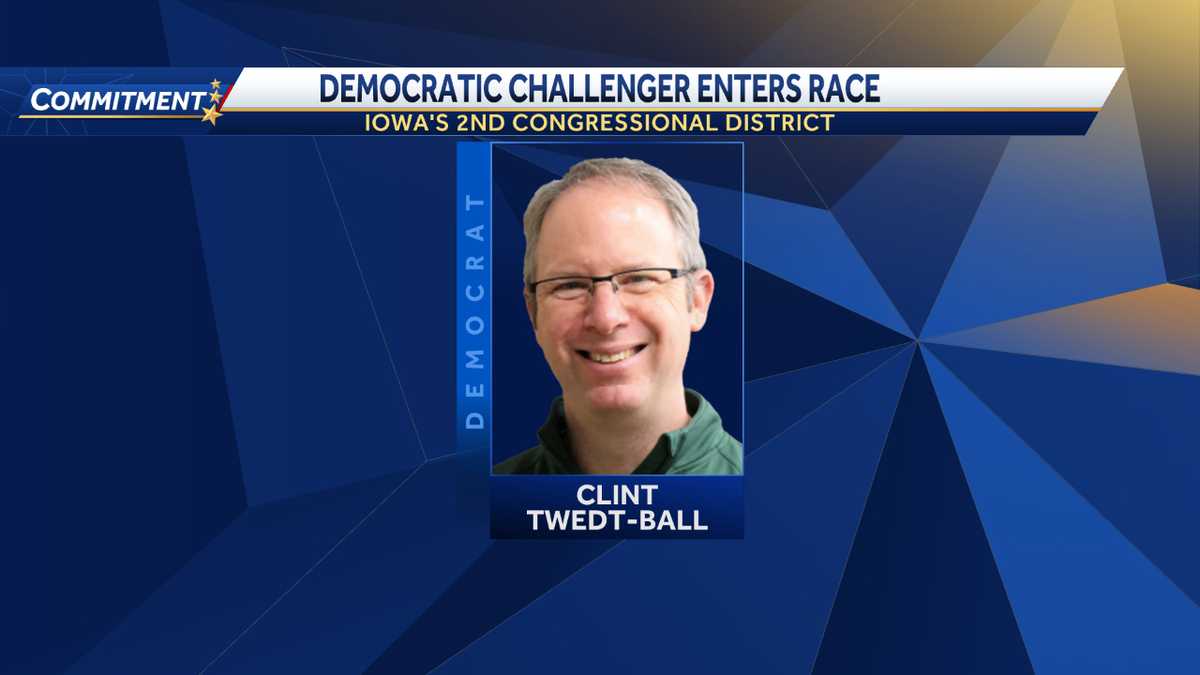
Clint Twedt Ball Launches Bold Campaign for Second Congressional District

Understanding Regional Restrictions on Digital Content

The digital world is a realm filled with both opportunity and challenges. One phrase that many internet users have encountered is "Sorry, this content is not available in your region." What might seem like a simple technical glitch or corporate decision is, in fact, a window into a labyrinth of legal debates, regulatory puzzles, and intricate business strategies. In this editorial, we take a closer look at the tangled issues surrounding regional content restrictions, exploring the legal framework, the interests of various stakeholders, and the potential implications for consumers worldwide.

Legal Implications of Geo-Blocking and Content Distribution

The practice of geo-blocking—restricting access to websites or digital content based solely on the user's geographic location—has sparked significant debate in legal and policy circles. Content providers may argue that such restrictions are essential for enforcing licensing agreements or for upholding local regulatory requirements. Yet, critics contend that this practice can result in a fragmented user experience and raise serious questions about user fairness and the right to information.

From a legal perspective, geo-blocking operates within a framework of international copyright law, trade regulations, and even competition policy. Governments across the globe have taken varied approaches to regulate this phenomenon. Understanding these guidelines is essential for content providers who must figure a path through the maze of legal requirements in each jurisdiction.

  • Copyright and licensing laws create the foundation for many regional restrictions.
  • Regulatory requirements may force companies to tailor their services to local rules.
  • Consumer protection regulations can come into conflict with geo-blocking practices.

This tangled legal landscape means that what may seem like a small technical inconvenience is, in fact, reflective of a multi-layered legal conundrum that both providers and regulators continue to grapple with.

Dissecting the Technical and Legal Twists and Turns

At first glance, the message "content not available in your region" may appear purely as a technical barrier. However, when we take a closer look at the fine points of digital distribution, we see that there are a number of subtle details and complicated pieces at work. The technical side of geo-restrictions involves IP detection, user data analytics, and site configuration settings that align with legal guidelines. Knowing how these systems operate is key for both businesses and consumers.

An overview of the essential technical and legal processes includes:

Aspect Description
IP Detection Determines a user's location based on their device's IP address.
Digital Rights Management Manages and enforces the legal restrictions tied to the content.
License Agreements Sets the terms under which content can be distributed and viewed across regions.
Regulatory Compliance Ensures that content providers adhere to local and international laws.

While the system may seem intimidating to the average user, it is essentially a series of interlocking parts designed to protect business interests and comply with law—a mechanism that is as much about upholding legal agreements as it is about controlling access.

Regional Content Restrictions and Consumer Rights

When users see the notice that content is unavailable in their region, it often leads to frustration and feelings of alienation. Consumers may wonder whether their rights to information are being compromised. In many jurisdictions, the legal debate centers on the balance between contractual freedom and consumer protection. Should content providers have the absolute right to limit access, or do consumers, too, hold a super important stake in accessing the global digital commons?

Some of the key consumer rights issues include:

  • Access to Information: Consumers argue that in an interconnected world, limiting access based on geography feels like an outdated mode of thinking.
  • Fair Pricing and Competition: When service providers charge different rates or offer different content in various locales, consumers may feel they are being treated unequally.
  • Legal Recourse: Understanding whether consumers can seek legal pathways if they believe their rights have been infringed upon remains an ongoing debate.

In many cases, legal experts call for enhanced consumer protections that could mitigate the more nerve-racking aspects of geo-blocking. A layered regulatory approach could help ensure that while businesses continue to honor international agreements, consumers are not left figuring a path through endless restrictions and barriers.

International Trade Law and the Impact of Digital Borders

From an international trade perspective, the emergence of digital borders marks a significant evolution in how countries regulate access to information. Traditional trade barriers were once straightforward quotas and tariffs; today, content restrictions are some of the more complex pieces that weave into the global economic fabric.

Some of the subtle details in international law include:

  • Trade Agreements: Many bilateral or multilateral agreements now take into account digital services and are lending their support to harmonizing how content is distributed.
  • National Sovereignty vs. Global Standards: While every nation has the legal right to enforce local content standards, the global nature of the Internet calls for a collaborative approach that recognizes international norms.
  • Tariffing Digital Goods: Emerging legal debates center on whether digital content should be treated the same as physical products under trade law.

The legal frameworks that govern international trade are now pressed to figure a path that respects both national laws and the inherently borderless nature of digital content. In doing so, these debates underscore a critical need for balance between national interests and global connectivity.

Corporate Responsibilities and the Burden of Censorship

Companies that operate digital platforms are caught between a rock and a hard place as they try to satisfy both legal obligations and user expectations. On one hand, they must remain compliant with the specific licensing requirements and regulatory control of each locale. On the other, they face pressure from a highly informed user base that is accustomed to borderless access to content.

Many platforms have implemented geo-blocks to protect themselves legally. However, this approach can feel heavy-handed or, at times, even like a form of digital censorship. Critics argue that the practice can stifle creativity and innovation, especially when content creators are prevented from reaching a wider audience solely due to legal restraints. Some of the off-putting issues include:

  • Complicated licensing deals that evolve with each new international market entry.
  • Multiple layers of legal permissions required to legally distribute content across borders.
  • The nerve-racking balance between compliance and community values—where stricter regulations may alienate loyal users.

While businesses are justified in protecting their intellectual property and upholding contract laws, the current situation often leaves consumers out in the cold. Some argue that increased transparency and open dialogue between content providers and regulators could provide a way forward that respects the rights of all parties involved.

Balancing Intellectual Property Rights and Freedom of Expression

One of the most contentious debates surrounding geo-blocking involves the balance between safeguarding intellectual property and protecting freedom of expression. At its core, this issue pits the rights of creators to control and profit from their work against the broader public's right to access diverse viewpoints.

The key legal challenges in striking this balance include:

  • Copyright Enforcement: Ensuring that creators receive proper credit and compensation while minimizing the likelihood of unauthorized redistribution.
  • Freedom of Expression: Evaluating whether restricting access to content limits an individual’s ability to engage in meaningful cultural or political discourse.
  • Market Fragmentation: Determining whether content restrictions create an unfair advantage for local providers while disadvantaging global players.

As technology evolves, so do the methods in which intellectual property rights are enforced. Many legal scholars advocate for a reformist approach, one that recognizes the dynamic interplay of innovation and tradition in the modern digital landscape. Engaging in a thoughtful discussion around these issues can help society figure a path through these tense legal challenges without unduly compromising either side.

Consumer Protection: Ensuring Equitable Access to Digital Content

The digital age has brought with it a new era of consumer rights, where access to information is not just a privilege but a necessity. When digital content is geo-blocked, it raises questions about whether consumers are being treated fairly. Legal systems in many democracies stress the importance of equitable access, especially in a world where digital literacy and engagement have become off-putting from technological evolution.

Legal protection for consumers in the digital marketplace might include:

  • Clear Disclosure: Requirements for content providers to transparently explain why certain content is restricted in specific regions.
  • Right of Appeal: Provisions that allow consumers to challenge regional restrictions based on perceived discrimination or unfair practices.
  • Uniform Standards: The development of international guidelines that ensure consistency in how digital content is distributed and accessed globally.

Consumers and their advocates argue that imposing clear, standardized rules is super important for maintaining trust in digital platforms. When consumers understand the reasoning behind restrictions and have avenues to seek redress, the digital ecosystem becomes a more inclusive and transparent space for everyone.

Exploring the Role of National Regulations in a Borderless Digital Era

National laws and regulations serve as the backbone of content distribution policies. Yet, in a world where the Internet blurs traditional boundaries, these laws often reveal their limitations. Legislators are now off to a race against time, as they figure a path to update outdated legal frameworks in response to emerging digital challenges.

Some of the main hurdles include:

  • Jurisdictional Dilemmas: Determining which country’s laws apply when content crosses borders in an instant.
  • Enforcement Challenges: Establishing effective regulatory oversight without overstepping boundaries that might be perceived as censorship.
  • Policy Overlaps: Reconciling existing laws that might conflict with the fast-changing nature of digital technology.

Legislators, regulators, and technology experts must work collectively to create frameworks that allow for flexibility in digital content dissemination while still protecting national interests. Balancing these competing priorities requires careful thought and a willingness to adapt to the fine points of a rapidly evolving digital landscape.

The Future of Digital Content Laws: Potential Reforms and Innovations

As the debate over regional content restrictions continues, many legal experts predict significant reforms in the coming years. The digital age has forced society to reconsider the old notions of territoriality and state control over information. Progressive reforms could help to ease the nerve-racking limitations currently imposed on consumers while still guarding the rights of content creators.

Among the proposals discussed by policymakers and industry leaders are:

  • Harmonizing International Standards: Creating a cohesive set of rules that apply across borders, reducing the discrepancies that lead to content being unavailable in certain regions.
  • Digital Licensing Flexibility: Developing more adaptable and modern licensing models that recognize the borderless nature of digital content.
  • Enhanced User Rights: Implementing legal frameworks that allow consumers to access information more freely without jeopardizing the protection of intellectual property.

While the details of these reforms are still being debated, one aspect is clear: the urgent need to reconcile a rapidly modernizing digital world with legal systems that have long been anchored in geographically-bound principles. The challenge is to ensure that changes do not compromise either the protection of creative works or the dissemination of public knowledge.

Case Studies: How Different Jurisdictions Handle Geo-Blocking

A practical way to comprehend the full scope of content restrictions involves examining how different countries address these legal challenges. By comparing national approaches, one can spot both similarities and stark differences in policy execution.

Consider the following examples:

  • European Union: The EU has been at the forefront of seeking digital market integration. Regulations here often aim to lessen restrictions, encouraging businesses to provide uniform access across member states. Nonetheless, the challenge remains in balancing local content protections with EU-wide harmonization.
  • United States: U.S. law tends to emphasize intellectual property rights while granting broad discretion to content providers. This results in a system where regional restrictions are often justified by licensing deals and market segmentation strategies.
  • Asia-Pacific Region: Countries in this region show a wide range of policies—from stringent control to relatively open access—highlighting the tension between preserving national security, culture, and promoting economic growth.

These case studies underline that while the technological elements of geo-blocking may be universal, their legal implementation is often riddled with tension, dependent on regional priorities, political contexts, and societal expectations. By studying these varied models, policymakers can learn valuable lessons about what might work best in an increasingly interconnected world.

Ethical Considerations in the Era of Digital Separation

The ethical dimensions of regional content restrictions are as tricky as the legal ones. The core ethical debate revolves around whether digital content, especially that which is publicly funded or of significant cultural importance, should be openly accessible to everyone regardless of their location.

Ethical arguments in the discussion include:

  • Information Equity: Ensuring that every person has equal access to knowledge and cultural expression, regardless of geopolitical boundaries.
  • Corporate Governance: Evaluating the moral responsibilities of companies that profit from information distribution while imposing selective restrictions.
  • Societal Transparency: Weighing the importance of allowing free flow of ideas against the need to protect local interests and regulatory compliance.

Even though legal frameworks are critical, ethical considerations cannot be ignored. Companies and governments alike must find ways to steer through these ethical twists and turns while ensuring that public trust remains strong and that digital content continues to thrive as a medium for open and fair communication.

Practical Solutions for Enhancing Global Access to Digital Content

In light of the legal, technical, and ethical challenges discussed, it is clear that the current framework governing digital content distribution is in need of thoughtful reform. Businesses, consumers, and regulators must work together to create solutions that allow for more equitable and transparent access to content on a global scale.

Some practical ideas and measures include:

  • Enhanced Transparency: Require that platforms clearly explain why a particular content is restricted, detailing the tangled legal issues and licensing constraints behind the decision.
  • Consumer Advocacy Portals: Develop channels through which users can report issues or seek clarification regarding regional content restrictions, thus making the process of getting around these barriers more manageable.
  • Cross-Border Licensing Agreements: Encourage content creators and distributors to negotiate deals that allow for greater flexibility in content sharing, reducing the need for off-putting isolation measures.
  • International Cooperation: Foster multinational discussions aimed at creating a more uniform legal standard for digital content distribution, helping to bridge the gap between national legislation and the borderless nature of the Internet.

Implementing these measures will require coordinated efforts from multiple stakeholders. However, a more open and less intimidating digital environment is essential for fostering innovation, protecting consumer rights, and ensuring that the Internet remains a truly global repository of knowledge and culture.

Charting a Path Forward: Collaborative Initiatives and Policy Innovations

Looking ahead, it is evident that the challenges posed by regional content restrictions are not insurmountable. Instead, they represent an opportunity for robust dialogue among policymakers, the tech industry, and civil society. Collaborative initiatives can anchor efforts to craft policies that are both legally sound and user-friendly.

An ideal collaborative framework might focus on the following areas:

Area of Collaboration Potential Benefits
Regulatory Transparency Helps consumers understand the legal basis for content restrictions and fosters trust in legal institutions.
Industry Standards Create universal guidelines that ease the nerve-racking process of adapting to diverse regional regulations.
Consumer Engagement Allows users to provide feedback that can shape more balanced and equitable digital policies.
Cross-Border Licensing Promotes innovative licensing strategies that reduce the need for strict geo-blocking.

Special focus should be placed on finding agreeable middle ground—an approach that respects the key interests of content creators while ensuring that consumers are not left in an isolated information bubble. We need to adopt a proactive stance that embraces both the opportunities presented by digital innovation and the necessity for strong, yet flexible, legal guidance.

Conclusion: Striking a Balance Between Legal Obligations and Global Accessibility

The phrase "Sorry, this content is not available in your region" is more than just a technical message—it is an encapsulation of the ongoing struggle between established legal protocols and a world striving for seamless connectivity. The issues discussed herein, from the tangled legal restrictions and technical setups to the ethical dilemmas and international challenges, all point towards a critical juncture in digital regulation.

While the current system may appear intimidating and off-putting to many, it represents the convergence of myriad interests: the safeguarding of intellectual property, adherence to national laws, and protection of consumer rights. In striving for a balance between these various interests, all stakeholders must be willing to get into the details, dig into the subtle parts, and work through the many twists and turns of modern digital law.

It is super important that we move forward with reforms that not only respect the legal obligations of content providers but also enhance global accessibility and transparency. By fostering greater international cooperation and advancing innovative licensing models, the digital world can become one where geographical barriers no longer restrict the free flow of ideas and culture.

As we stand at this crossroads, it is essential for legal experts, technology leaders, and policymakers to take the wheel of progress. With sustained dialogue and committed action, we can build a digital ecosystem where the message "content not available in your region" becomes a relic of the past—a reminder of our journey towards a truly borderless, inclusive Internet.

In the end, the task before us is clear: to reconcile the need for legal safeguards with the demand for unfettered global access. Only by facing these nerve-racking yet fascinating challenges head-on can we ensure that our digital future is one where innovation, creativity, and fairness go hand in hand.

Originally Post From https://www.kcci.com/article/clint-twedt-ball-iowa-2nd-congressional-district-race/65477193

Read more about this topic at
Region-Locking and How to Beat It: Ultimate Guide
ELI5 why does region locking exist? : r/explainlikeimfive

Share:

Monday, July 21, 2025

Governor Tours Wildfire Ruins at Grand Canyon North Rim A Stark Reminder of Natures Fury

Introduction: Unpacking the “451: Unavailable Due to Legal Reasons” Message

Every now and then, internet users are met with puzzling notices that block their access to a website. One such instance is the “451: Unavailable due to legal reasons” message. This seemingly blunt notification is not a random dead-end but rather a reflection of broader legal and regulatory issues that affect how websites operate, especially within the European Economic Area (EEA) and the European Union (EU). In this opinion editorial, we aim to get into the tangled issues behind these legal measures, explore the fine points of the General Data Protection Regulation (GDPR), and consider both the intended benefits and the side effects of such restrictions.

In today’s digital age, the web is a vast landscape where the law and technology meet. As jurisdictions around the globe develop their own ways to protect consumer rights while balancing free access to digital information, users can sometimes find themselves caught in a web of legal requirements and restrictions that are both intimidating and, to many, off-putting. This discussion will touch upon the tricky parts of internet freedom, the complicated pieces of privacy laws, and the subtle details that often escape everyday notice.

The GDPR’s Impact on Digital Access

The GDPR stands as one of the leading examples of protective legislation in our increasingly interconnected world. With the primary goal of safeguarding personal data, the regulation has laid down some pretty strict rules that websites must comply with when handling data from citizens of the EEA and EU. For those who find themselves blocked from accessing a website, it may well be due to a careful reading of these rules which many websites adopt as a shield against potential legal pitfalls.

Understanding the Scope and Purpose of the GDPR

The regulation came into effect with the intent of giving individuals more control over their personal information and ensuring that companies remain accountable for the data they collect and process. While this is a super important step for protecting online privacy, it also forces website operators to figure a path through a legal maze that is loaded with issues. Some of the hidden complexities include:

  • Ensuring that consent is clearly obtained before any data is processed
  • Providing users with the right to access, modify, and delete their personal data
  • Guaranteeing data portability and transparency regarding how data is used
  • Implementing stringent security measures to protect against data breaches

These requirements, while critical for safeguarding rights, also create a set of rules that can be intimidating for both small website operators and larger enterprises. The often nerve-racking task of making sure every tangled issue complies with GDPR standards can lead providers to adopt blanket bans on access from certain regions. It is in this context that a message like “451: Unavailable due to legal reasons” is issued, serving as a legal shield to protect against potential infractions.

How GDPR Compliance Leads to Geographical Access Restrictions

The GDPR’s comprehensive approach means that if a website is not equipped to adhere to these guidelines for users from the EEA or EU, it might choose to restrict access altogether. This decision, though it might frustrate users, is seen by many operators as a necessary evil rather than a deliberate attempt to block access. By doing so, they sidestep the many little twists that come with ensuring full compliance.

This decision can be broken down into a few critical factors:

Factor Explanation
Compliance Uncertainty When companies are uncertain about meeting all legal obligations, they often block access to minimize risk.
Legal Ambiguities The fine shades of interpretation in the GDPR guidelines may lead to overly cautious measures.
Cost Considerations The expense and complexity of ensuring complete compliance can be prohibitive, especially for smaller firms.

Each of these factors represents one of the complicated pieces that organizations must consider. Thus, what appears on the surface as a blunt access denial is, in many cases, a carefully weighed decision that prioritizes legal safety over universal accessibility.

Legal Justifications Behind Access Denials: More Than Meets the Eye

The message “451: Unavailable due to legal reasons” has its roots in the interplay between national and international law, technology providers, and the needs of privacy protection. It is similar in some respects to other online safety directives that follow the letter of the law down to the nitty-gritty details. However, understanding these legal justifications requires us to poke around a bit deeper into what each part of the message denotes.

Decoding the “451” Error Code

The error code “451” is more than a number—it's a statement. Historically used in literature as a reference to censorship (as in Ray Bradbury’s Fahrenheit 451), it has been repurposed for digital contexts to indicate that content is restricted due to legal policies. However, while the cultural reference is neat, the meaning in our context is straightforward: access is cut off because of binding legal constraints, particularly relating to data protection.

This code may appear as an abrupt halt on one’s digital journey, but it is a signal that the website is taking a stand on data security and legal accountability. Essentially, the operator is saying, “We believe the legal environment is too nerve-racking to risk potential breaches of regulation; hence, we must block your entry.”

Legal Reasons Versus Technical Glitches

At first glance, it might be easy to confuse access denials with technical glitches. However, the difference is significant. While a technical error might be resolved by reloading the page or troubleshooting network issues, a legal restriction is non-negotiable. Here, there is no workaround—only a firm reminder of the legal framework that governs digital behavior.

For clarity, here is a bulleted list summarizing the key distinctions:

  • Technical Glitches: Typically caused by server overloads or software bugs; temporary; often accompanied by error codes like 404 or 500.
  • Legal Restrictions: Stem from regulatory decisions; deliberate and binding; meant to prevent potential violations of laws like the GDPR.

This differentiation is essential for users who might be puzzled by what appears to be an arbitrary barrier. Instead of attributing the error to the wonders of technology gone awry, it is important to appreciate that the real story is one of law, policy, and risk management.

Working Through the EEA’s Data Protection Maze

Countries in the EEA and the EU are known for some of the strictest data protection rules in the world, and the GDPR is at the center of these regulations. While these laws are indispensable for protecting personal information, they also cast a long shadow over how digital content is accessed. Let’s take a closer look at the ways in which these regulations affect online operations.

The Underlying Intent: Protecting Individual Privacy

The central goal behind GDPR—and by extension, the legal reasons for restricting access—is to preserve the right to privacy in an increasingly data-driven world. The regulation aims to provide individuals with more control, ensuring that companies cannot misuse personal data without explicit consent. The approach is built around a few key pillars:

  • Transparency: Making sure users know how their data is being used.
  • Consent: Guaranteeing that personal data is processed only when permission is granted.
  • Accountability: Holding companies responsible for maintaining strong data security protocols.

Each of these pillars is a response to the nerve-racking realities of the digital age. By ensuring robust data protection, GDPR provides a legal buffer against what could otherwise be a minefield of data breaches and privacy violations. However, these benefits come with their own set of tricky parts—chief among them being the challenge of maintaining a safe digital environment without inadvertently limiting access.

Complications for Website Operators and Users Alike

For website operators, especially those that offer content globally, complying with GDPR can be an off-putting challenge. Even well-established companies must often invest significantly in legal counsel, cybersecurity measures, and constant updates to their data policies. This level of investment is not always affordable or practical for every operator, leading to a situation where some choose to block users from EEA countries altogether.

From a user’s perspective, this results in a frustrating encounter—one moment, they’re browsing content freely, and the next, they’re abruptly shut off due to legal reasons beyond their control. The following table lays out some of the key complications faced by both parties:

Stakeholder Complication
Website Operators
  • Cost of compliance audits
  • Implementing advanced security protocols
  • Dealing with ever-changing regulatory interpretations
Users
  • Unexpected blocks to access information
  • Lack of clarity on the reasons behind access denial
  • Limited recourse when encountering blocked content

These issues are not just minor bumps on the digital road—they are central to the conversation about privacy and accessibility in the modern era. Understanding them helps contextualize why a provider might, on occasions, opt for the seemingly extreme measure of denying access altogether.

Examining the Effects of Legal Bans on Digital Freedom

While the intention behind strict regulatory measures like the GDPR is to foster a safe environment for personal data, it also poses a series of challenges for maintaining digital freedom. It’s a classic case of one right (privacy) inadvertently impinging on another (access to information). This delicate balance is full of tricky parts and unexpected twists that require thoughtful navigation.

Privacy Protection Versus Open Access: A Delicate Balance

The debate between privacy protection and open-access ideals is intricate and often charged with emotion. On one hand, users have a super important right to control their personal data. On the other hand, restrictions that hinder access—especially when they affect uninvolved third parties—can be seen as a setback for digital freedoms. Here are some considerations that highlight this balance:

  • Data Integrity: The GDPR’s stringent measures help ensure that data is handled responsibly, but they also create the potential for over-cautious approaches that can backfire.
  • Access Equality: When websites deny access based on geographical location, it raises questions about whether users are being treated justly or if they’re being penalized for circumstances beyond their control.
  • Innovation and Competition: Companies and startups often argue that too much regulatory pressure stifles innovation and puts them at a competitive disadvantage compared to larger, more resourceful players.

This fine balance is one of the main reasons why the intersection of legal mandates and digital access is so tangled. Every decision made in favor of privacy can sometimes feel like a thorn in the side of open access, and vice versa.

Real-World Implications for Global Web Users

In the interconnected world of the internet, decisions made in one jurisdiction reverberate globally. Many users outside the EEA might never encounter issues with GDPR restrictions. However, for those in the affected regions, the situation can easily escalate into a nerve-racking experience. It is akin to trying to steer through a dense fog where the fine details of legal requirements dictate what is visible and what remains obscured.

For instance, imagine an avid reader eager to catch up on international news, only to find that a reputable website has suddenly become inaccessible. The reader might not understand why this has happened, especially when their only recourse is a terse message about “legal reasons.” Such experiences highlight a broader concern: while protecting privacy is key, the method of doing so should not come at the expense of regional inclusivity and open access to information.

How Website Operators Can Manage Access Under GDPR

From the perspective of website operators, managing the balance between legal compliance and user access is a constant challenge. Given the nerve-racking legal and technological demands of the GDPR, many companies have sought strategies that allow them to mitigate risks while still serving their audience. Below are some strategies that can help operators manage their way through these tense regulatory waters:

  • Risk Assessment: Regular audits of data handling practices can help identify the subtle details that might expose the operator to legal pitfalls.
  • Geographical Tagging: Implementing systems that differentiate access by user location, thereby allowing a targeted approach that complies with local regulations without broadly shutting out entire regions.
  • User Consent Mechanisms: Designing intuitive, clear interfaces for consent collection minimizes the complicated pieces of GDPR compliance and improves user trust.
  • Legal Consultation: Engaging experts who can help figure a path through the myriad legal twists ensures that policies remain up-to-date and well-tailored to the evolving digital landscape.

Below is a simplified table summarizing some best practices:

Strategy Benefit
Regular Audits Helps identify risky practices and ensures continuous compliance
Geographical Adaptation Allows tailored access and reduces blanket restrictions
Streamlined User Consent Improves transparency and builds user trust
Professional Legal Advice Provides expert insights to manage nerves and confusing bits of the law

While these measures require investment and effort, they underscore the importance of working through the tricky parts of modern data regulation. Not every operator will opt for the drastic measure of blocking access entirely, but for some, the potential risks simply outweigh the benefits of serving a broader audience.

Impact on Digital Citizenship and User Experience

The digital world is a shared space, one in which access to information is seen as a fundamental right by many. However, as privacy concerns grow and legal frameworks tighten, the relationship between the provider and the consumer is evolving. The “451: Unavailable due to legal reasons” message, while operational in nature, also represents a shift in digital citizenship where user rights, legal obligations, and trust must be balanced delicately.

The User’s Perspective: Frustration and the Need for Clarity

Imagine sitting down at your computer, ready to dive into a trusted news source, only to be stopped by a message stating that access is restricted due to legal reasons. For many users, the immediate reaction is one of confusion, irritation, and sometimes resignation. The uncertainty about whether it is a temporary hiccup or a permanent ban can be nerve-racking.

Users are left to deal with several confusing bits when this happens. These include:

  • Lack of Information: The message provides little detail beyond citing legal reasons, leaving users guessing about what these reasons might be.
  • Limited Recourse: Although contact information is provided, the process for resolving the issue is not straightforward and often involves dealing with customer support.
  • Disrupted Experience: For users who rely on these websites for timely information, the restriction can lead to significant frustration and a diminished sense of digital inclusion.

This gap between the user’s expectations and the legal framework behind the scenes calls for a more transparent dialogue. It is essential that operators not only comply with the law but also communicate clearly about why these measures are in place. A better-informed user is more likely to appreciate the balance between privacy protection and content accessibility, even if the situation is less than ideal.

Efforts to Improve Communication and User Support

Recognizing the potential for frustration, some websites have started to adopt better communication practices. Instead of a curt error code, operators might provide:

  • Detailed Explanations: A more comprehensive note on what “legal reasons” entail, offering a clearer overview of the regulatory challenges at play.
  • Direct Contact Channels: Easy-to-find contact details and guidance on steps to seek clarification or redress, thus demystifying the process.
  • User-Friendly Language: Simplifying legal jargon so that even those without a legal background can understand the restrictions and the rationale behind them.

These initiatives may not remove the block itself, but they can soften the impact on the user experience by providing a window into the deliberate legal decisions that have been made.

Looking to the Future: Balancing Data Protection and Open Internet Access

The debate over data protection and unlimited access to digital content is likely to intensify in the coming years. As technology continues to evolve, so too will the laws that govern how we interact online. The challenges we face right now—navigating confusing bits of regulation, balancing user privacy against the free flow of information—are just the beginning of a more extensive global conversation.

Anticipated Changes in Data Regulation

Looking ahead, several trends are emerging in the realm of data regulation and digital rights:

  • Greater International Collaboration: Countries may increasingly work together to harmonize laws, reducing the nerve-racking differences that lead to blanket access bans.
  • Technological Innovations in Privacy Protection: Advances in encryption and data anonymization might allow websites to serve users in the EEA without risking compliance issues.
  • Enhanced Transparency Measures: Both governments and companies might strive for clearer communication, ensuring that users understand their rights and the limitations imposed by legal requirements.
  • Adaptive Regulatory Frameworks: Lawmakers may develop frameworks that better balance the tension between data protection and the free flow of information, smoothing over some of the current tangled issues.

The gradual evolution of these areas could eventually lead to online ecosystems where legal measures support, rather than hinder, digital citizenship. However, until such changes take place, users from regions under strict regulatory supervision will continue to occasionally face access denials that, while legally justified, may seem arbitrary without context.

What This Means for Digital Rights and Global Citizenship

Ultimately, the conversation about the “451: Unavailable due to legal reasons” message is not just about a single error code—it’s a reflection of broader tensions between protecting individual privacy and ensuring universal access to information. In modern democracies, these two goals are meant to coexist, but often come into conflict when legal frameworks clash with digital realities.

Key points include:

  • The essential need to protect personal data against misuse.
  • The complicated pieces of ensuring legislation does not overly restrict user access.
  • The impact on global users, particularly those in the EEA, who see their digital rights curtailed by stringent legal measures.

For digital rights advocates, finding a middle ground remains a super important, albeit challenging, priority. As these issues continue to be debated in courtrooms and boardrooms alike, the goal should be to craft regulations that neither stifle innovation nor leave users unprotected in the wild west of the internet.

Concluding Thoughts: Embracing the Tensions Between Law and Access

In wrapping up our examination of the “451: Unavailable due to legal reasons” notice, it’s clear that the message is more than a mere technical interruption: it is a symbol of the constant legal balancing act imposed by regulations like the GDPR. For website operators, the task of steering through legal twists and turns can sometimes force decisions that negatively affect users. For users, encountering such a message can feel like an arbitrary denial—even though it stems from a legal obligation to protect personal data.

What seems at first an off-putting restriction is, in reality, a reflection of a broader debate around digital rights. It is a debate loaded with both practical challenges and philosophical questions about the nature of privacy, freedom, and responsibility on the internet. While many argue that the current system stifles access to vital information, others stress that without robust regulation, the risks of data misuse and privacy breaches would be far greater.

As regulators, website operators, and users continue to adapt in this dynamic landscape, it is crucial to foster improved communication and collaboration. Both sides must recognize that the legal frameworks, though sometimes intimidating, are designed with a key aim in mind: to protect individuals in an increasingly data-driven era. Nevertheless, adjustments are overdue in order to ensure that the protections offered do not come at the cost of a truly open, accessible, and innovative internet.

It is our collective hope that, with increased dialogue and the implementation of more adaptable regulatory measures, the future will see fewer instances of abrupt access denials and more harmonious coexistence of privacy and open access. The evolution of digital law is ongoing, and staying informed, engaged, and proactive is essential for all stakeholders involved.

Key Takeaways from the Current Landscape

To sum up our discussion, here are several critical points that encapsulate the current state of affairs:

  • The Role of GDPR: This regulation is fine-tuned to protect personal data but also inadvertently leads to overcautious measures like blanket access bans.
  • Legal Justifications: The “451: Unavailable due to legal reasons” message is deeply rooted in legal necessity rather than technical failure.
  • User Experience Challenges: For the affected users, the experience is frustrating due to the lack of clear communication and immediate recourse.
  • Future Directions: Ongoing efforts to harmonize international laws and innovate through technology hold promise for achieving a better balance between privacy and open access.

Understanding these aspects is fundamental for both legal practitioners and everyday internet users. With clearer communication and more user-friendly approaches to compliance, the tension between legal safety and open digital access can be gradually eased.

Final Reflections on Digital Trust and Legal Transparency

As we look forward to a time when the legal frameworks adapt to the pace of technological advancement, it remains important for all of us—whether as website operators, legal experts, or engaged digital citizens—to take a closer look at the current state of digital rights. While the restrictions imposed today are a necessary response to a tense regulatory environment, they also highlight the urgent need for those in positions of control to find creative ways to maintain both privacy and accessibility.

In conclusion, the “451: Unavailable due to legal reasons” message symbolizes the ongoing dialogue between law and internet freedom—a dialogue that is complex, sometimes intimidating, but ultimately essential. As we continue to work through these tangled issues, it is our collective responsibility to ensure that the protections we build into our digital systems do not become barriers to the free flow of information, but rather serve as a foundation for a safer, more transparent online future.

Originally Post From https://www.kitv.com/news/national/arizona-governor-tours-wildfire-destruction-along-grand-canyons-north-rim/article_1a693c05-5f10-5667-a351-e29d5f964017.html

Read more about this topic at
Art. 15 GDPR – Right of access by the data subject
Right of Access - General Data Protection Regulation ...

Share:

Saturday, July 19, 2025

Arizona Justice Unfolds in a Botched Double Murder Home Invasion Car Deal

Digital Transformation in Legal Journalism: New Challenges and Opportunities

The legal community is currently experiencing a major shift as digital platforms continue to reshape the way legal information is accessed and shared. Online legal journalism has become a critical tool for both professionals and the public, offering an unprecedented level of transparency and accessibility. While this new arena is packed with opportunities for informed debate and accountability, it is also full of tricky parts and tangled issues that both journalists and readers must figure a path through.

Recent years have seen a dramatic transformation in legal reporting as more people turn to the internet for comprehensive legal analysis, case law updates, and informed opinions. This transformation is not without its twists and turns. The online space, which once served only as a repository for archival documents, now functions as a dynamic forum for debate, often aggregating diverse opinions and interpretations of legal outcomes. As a result, there is a growing need for reliable and balanced voices that can make sense of the complicated pieces and shifting landscapes.

With the surge in online content, new challenges have emerged—ranging from the responsibility of ensuring accuracy and balance to overcoming the nerve-racking pressure that comes with instantly shared opinions. It is off-putting to see misinformation quickly spread, and the tangled issues of intellectual property and jurisdiction further complicate matters. Today’s legal journalist must not only keep pace with rapidly evolving legal standards but also work through the daunting responsibility of providing nuanced perspectives in an overwhelmingly digital environment.

Expanding Access to Justice Through Online Media

Online legal journalism has undeniably widened the channels through which the public can engage with the law. There is an essential need for platforms that not only highlight high-profile cases but also break down mundane legislative changes, based on solid research and careful commentary. Legal reporters now have the super important task of taking a closer look at significant legal reforms and their fine points, making crucial legal insights accessible to everyone—from seasoned lawyers to first-time readers of legal opinions.

The expansion of digital media in the realm of law is full of innovation but also loaded with issues that require careful management. These platforms must balance the speed of posting with the need to verify facts, ensuring that every story is backed by reliable sources and robust legal analysis. Within this context, one of the key challenges is ensuring that the complex legal environment is perceived not simply as a series of intimidating legal battles, but as a systematic process where each case adds to the ongoing dialogue about justice and fairness.

Legal commentary online has grown into a community-driven effort that relies on crowdsourced insights, public records, and continuous dialogue between legal experts and the public. Often, readers are not just consumers of legal news—they are also active participants, contributing opinions and suggestions that can influence the narrative. This participative approach, while democratic in nature, requires platforms to maintain rigorous editorial standards and remain vigilant against misinformation, ensuring that the narrative remains true to the law’s intent rather than devolve into a series of confusing bits.

Technological Disruptions: Changing the Legal Reporting Landscape

The rapid development of technology has deeply affected almost every sector, especially the legal field. Digital access to legal documents, virtual court trials, and online platforms for legal education have all transformed how law is practiced and reported. As these advancements become more integrated into everyday legal procedures, it is both critical and challenging to figure a path through the numerous twists and turns that technology introduces.

One of the most significant changes has been the way court documents and legal briefs are stored and shared. With digitized documents available at the click of a button, the traditional barriers to accessing legal texts have fallen away. This democratization of information has allowed for more people to get into discussions that once seemed too complex. However, this ease of access also brings about a host of complicated pieces, such as concerns regarding data security, privacy breaches, and the rapid spread of unverified legal analyses.

Moreover, the technology that underpins these innovations is itself evolving at a nerve-racking speed. Artificial intelligence and machine learning models are now used to predict legal outcomes, streamline case management, and even generate initial drafts of legal opinions. While these tools have the potential to enhance efficiency and reduce human error, they also prompt difficult questions about accountability, the dehumanizing aspect of automated legal decision-making, and the potential loss of nuanced interpretation that comes from human oversight.

  • Digital recordkeeping offers faster updates to legal archives.
  • Virtual court proceedings provide unprecedented access but raise security concerns.
  • Artificial intelligence tools promise efficiency while introducing accountability dilemmas.

The digital shift in legal journalism is not merely about adapting to new technology, but about rethinking how legal narratives are constructed and delivered. Reporters must take a closer look at every fine detail and subtle shifts in both technology and the law, ensuring that information remains reliable and accessible. This responsibility is a multi-layered challenge that requires a blend of legal expertise and savvy technology use, making the modern legal journalist’s role both exciting and inherently full of problems.

Ensuring Journalistic Integrity in a Fast-Paced Digital World

The accelerated pace of digital news delivery has necessitated a renewed focus on journalistic integrity. With the click of a button, vast amounts of legal information can be disseminated globally, making it crucial for legal journalists to filter out the noise and present balanced, well-researched analyses. The process of vetting and verifying sources has never been more important, especially when even a small misstep in fact-checking can lead to misleading narratives that muddy the waters of public debate.

In today’s environment, legal journalists need to carefully manage their way through a maze of competing priorities. On the one hand, there is the pressure to deliver timely updates on court rulings, legislative changes, or high-profile cases. On the other, there is the equally important responsibility to ensure that every publication is accurate and balanced. This balancing act is often intimidating and sometimes off-putting, but it is critical if journalists are to maintain trust with their readers.

Maintaining journalistic integrity when covering legal issues also involves taking a closer look at the underlying social and political contexts. This means not only reporting on the legal proceedings but also interpreting their implications for justice, equity, and societal progress. For example, a headline about a controversial court ruling might capture immediate attention, but the real story lies in understanding the multiple layers of legal interpretation, the subtle details of statutory language, and the broader ramifications for public policy.

To navigate this challenging environment, legal journalists often rely on a mix of traditional investigative practices along with innovative digital tools. This multi-pronged approach includes:

  • Cross-referencing multiple credible sources before publication.
  • Engaging with legal experts and industry veterans for in-depth commentary.
  • Utilizing digital archiving systems for accurate record-keeping.
  • Emphasizing transparency by clearly citing sources and methodologies.

This combination of time-tested practices and modern digital strategies is what helps maintain a high standard of journalistic excellence in legal reporting. Although the landscape may be full of convoluted bits and nerve-racking challenges, the commitment to providing accurate, balanced legal analysis remains steadfast.

Interpreting Legal Changes in the Digital Era: A Closer Look

One of the quintessential roles of legal journalism today is to translate the often confusing bits of law into language that is accessible to a broader audience. Legislation is replete with tricky parts and tangled issues that can appear intimidating when encountered in their original form. To bridge this gap, journalists must get into discussions with experts, read between the lines, and simplify complex legal language without distorting its meaning.

This process involves a comprehensive analysis of how laws are formulated, passed, and implemented. For readers outside the legal community, legal updates can appear full of problems and nerve-racking twists. Here, it is essential to present the information with clarity while acknowledging the subtle details that can make all the difference in interpretation. For instance, slight differences in statutory phrasing might lead to significantly different judicial outcomes. These small distinctions are critical in ensuring that readers accurately understand both the promise and the limitations of any legal reform.

Editors often employ tables and bullet lists to distill these many layers of legal nuance into digestible segments. Consider the example below, which categorizes recent legal changes by their key aspects:

Aspect Description Implications
Regulatory Updates New rules aiming to increase transparency in legal proceedings. Positive impact on public trust, though implementation remains a tricky process.
Data Privacy Reforms Legislation that secures personal data in the digital space. Helps protect citizen information but poses off-putting challenges for tech companies.
Court Procedure Changes Adapting court processes for digital submissions and virtual hearings. Streamlines procedures but also introduces nerve-racking technical complexities.

The table above is a small example of how the nitty-gritty of legal changes can be presented in an organized manner. By breaking down each aspect into digestible pieces, legal journalists aim to provide clarity while acknowledging the complex layers that contribute to the current judicial system. This method of presentation helps ensure that even readers with little legal background can follow the discussion, understand the fine points, and critically assess the potential outcomes of legislative reforms.

Dealing with the Overwhelming Flow of Information

In an era where information is constantly streaming in from multiple sources, it can be overwhelming to sort out the critical details from a flood of opinions and stimuli. This is particularly true in the legal realm, where even seemingly straightforward cases can become tangled in a web of historical precedent, socio-political factors, and subtle legal twists. The digital age demands that legal reporters work through this barrage of data in a manner that is both efficient and deeply analytical.

One of the chief challenges in this regard is the abundance of online commentary and social media chatter that can often blur the line between fact and opinion. While public engagement with legal issues is both necessary and positive, it can sometimes result in a cacophony of conflicting information. The role of the legal journalist is to filter out the extraneous noise and present an opinion backed by verified facts and thoughtful interpretation.

Legal professionals and journalists face an off-putting challenge when they must differentiate between verified evidence and mere speculation. This task involves multiple steps, including:

  • Conducting thorough background research on each case.
  • Interviews with legal experts to get into the subtle parts of the case.
  • Reviewing court records and legislative documents to solidify claims.
  • Comparing multiple sources to ensure balanced coverage.

By adhering to these practices, legal reporters help their audiences navigate the overwhelming volume of legal discourse happening online. Even when the subject matter is filled with confusing bits or seems off-putting, the rigorous application of these methods instills confidence in the information presented. Ultimately, this approach is not only about delivering news—it is about empowering the public to participate in civic discussions with clarity and opinion backed by authoritative research.

Balancing Speed and Accuracy in a Digital Sphere

The challenge of balancing speed and accuracy has never been more pronounced in the digital circulation of legal news. In the race to be first, there is a perpetual risk that crucial facts may be overlooked or misrepresented. While the digital platform allows for almost instantaneous publication, the very nature of online media sometimes means that the detailed analysis gets sacrificed for speed. For many legal journalists, taking the wheel in this fast-paced environment is as nerve-racking as it is essential.

To ensure responsible reporting, it is super important that legal journalists work through the process of verifying every piece of information, no matter how trivial it may seem. This means that behind every headline lies hours of fact-checking, discussions with legal experts, and cross-referencing with archived data. The delicate balance between delivering prompt updates and sustaining editorial integrity is a constant challenge, but one that is absolutely critical in the realm of legal reporting.

This balancing act can be better understood by breaking down the key elements of responsible legal journalism:

  • Source Verification: Every fact is double-checked against reliable legal databases and confirmed through independent sources.
  • Contextual Analysis: Offering not only the immediate legal implications but also exploring the wider societal impacts.
  • Timely Updates: Keeping the audience informed with breaking news while safeguarding the accuracy of each update.
  • Ethical Reporting: Maintaining transparency about potential conflicts of interest and clearly distinguishing between opinion and fact.

These steps help frame an editorial standard that many legal media outlets strive to maintain. The environment is constantly shifting—new laws are enacted, precedents are set, and public opinion evolves. Yet by adhering to these basic tenets, legal journalism can still present a reliable narrative amid the myriad confusing bits that the digital age brings. In this way, the media not only informs but also educates, ensuring that the nuanced realities of legal judgments are communicated effectively to the general public.

Engaging Diverse Audiences in Legal Debates

In today’s hyper-connected world, the audience for legal journalism has significantly broadened. From law students and junior attorneys to established judges and everyday citizens, the spectrum of readers is diverse and multifaceted. This diversity demands that legal op-ed writers approach their subject matter in ways that are clear, balanced, and genuinely inclusive. Whether discussing high-profile cases or legislative minutiae, communicators must take a closer look at the content to ensure that its presentation is accessible without sacrificing depth.

This wider audience entails that legal commentary must be tailored to address both specialists and those who are simply curious about how the law impacts their daily lives. Journalists have a super important role in bridging the gap between dense legal writings and general, everyday language. Some key approaches include:

  • Simplifying Legal Jargon: Translating technical language into plain English while still capturing the intended legal meaning.
  • Providing Real-World Examples: Helping readers relate abstract legal principles to everyday situations.
  • Encouraging Interactive Dialogue: Using comment sections, social media forums, and live webinars to foster discussion.
  • Highlighting Diverse Perspectives: Inviting voices from different sectors of society to contribute to the conversation.

By embracing these strategies, the field of legal journalism not only informs but also empowers its audience. Despite the overwhelming volume of material available online, engaging with a diverse readership enriches the legal discourse. It allows for multiple perspectives to be considered, ultimately leading to a more robust discussion about how laws influence society. This participatory method of sharing information makes online legal media vibrant and reflective of the societal complexities it seeks to address.

Public Trust and Transparency in Online Legal Reporting

Public trust is the cornerstone of any media outlet, and this is particularly true for legal journalism. In a time when digital misinformation can easily spread, maintaining transparency in source material and editorial decisions is more critical than ever. Readers increasingly rely on legal op-eds to provide them with clear, unbiased commentary on often nerve-racking legal matters that affect community well-being and personal rights.

Building trust in online legal reporting involves a series of deliberate actions, including:

  • Openly discussing sources and methodologies used in completing research.
  • Providing detailed citations and links to primary documents where possible.
  • Regularly updating and correcting content when new information becomes available.
  • Ensuring that every piece of content goes through rigorous fact-checking before publication.

Journalists who prioritize these practices help mitigate the risks of spreading misinformation. Their commitment to transparency reassures the audience that the content they receive is both accurate and worthy of trust. Offering a clear explanation of the steps taken in the editorial process not only reinforces credibility, but also serves as a learning tool for those who wish to understand the legal process from the inside out.

The journey toward public trust in online legal journalism is not a simple one; it is riddled with challenges and subtle pitfalls. Even so, continuously emphasizing fairness, impartiality, and open communication helps foster a media ecosystem where legal debate can thrive, and where every reader feels confident that the presented facts are as clear and unbiased as possible.

Exploring the Role of Social Media in Legal Dialogue

Social media platforms have become an inescapable part of how legal news is disseminated and discussed. These digital forums offer rapid avenues for sharing opinions, discussing cases, and even mobilizing for legal reforms. However, the nature of social media also introduces a series of tangled issues that make it both an invaluable tool and a potential minefield for legal journalists.

The immediacy of social media means that legal commentary can quickly gain wide-reaching exposure. This brings with it the challenge of ensuring that the opinions shared on these platforms are well-informed and do not oversimplify the fine shades of legal analysis. For instance, while a tweet or a short post might capture the broad strokes of a legal issue, it often lacks the depth required to do justice to the complicated pieces of actual legal debate.

Despite these limitations, the role of social media in shaping legal conversations cannot be ignored. Here are a few ways in which social media contributes to legal dialogue:

  • Real-Time Updates: Platforms like Twitter and LinkedIn are often the first places where breaking legal news emerges.
  • Broad Outreach: Social media enables legal professionals to reach a wider audience, including those who may not have direct access to formal legal education.
  • Community Engagement: Online discussions and debates allow for multiple voices to be heard, often bringing fresh perspectives and challenging established viewpoints.
  • Accountability: The public nature of social media can hold legal institutions and professionals accountable by fostering transparent discussion and feedback.

In navigating these dynamic environments, legal journalists are tasked with the responsibility of finding their path while ensuring that their commentary remains rooted in verified facts and comprehensive legal analysis. This means that, along with a firm grasp of legal principles, commentators must also acquire a deep understanding of online community norms and the subtle distinctions that can influence public perception. Although these challenges are undoubtedly intimidating, they also represent a unique opportunity to enrich legal discourse by blending tradition with modernity.

Charting a Course for the Future of Legal Journalism

The evolution of legal journalism is a story of adaptation and resilience. As digital platforms continue to redefine the communication of legal information, the path forward will require both innovative thinking and a commitment to traditional, ethical reporting. The future of legal journalism lies in its ability to reconcile the fast pace of digital communication with the meticulous care needed for accurate legal analysis.

Looking ahead, several key trends are likely to influence the future trajectory of legal online media:

  • Increased Integration of Technology: Emerging digital tools—ranging from AI to blockchain—will play a larger role in verifying, storing, and disseminating legal information.
  • Greater Emphasis on Transparency: As trust becomes an even more critical issue, legal journalism will likely see stronger demands for open reporting practices and continuous content updates.
  • More Interactive Platforms: Beyond traditional articles, the future may bring more interactive formats such as live webinars, digital town halls, and multimedia-rich content that brings the legal narrative to life.
  • Diversified Voices: Expanding the pool of contributors—from law professors and seasoned practitioners to grassroots activists—will enrich legal debate, ensuring multiple perspectives influence the narrative.

Each of these trends comes with its own set of challenges and opportunities. As society grapples with the overwhelming speed of digital innovation, legal journalists are uniquely positioned to establish a framework where tradition and modernity coalesce. In doing so, they take on the super important responsibility of explaining the fine points of law in a way that is not only informative, but also engaging for audiences across the spectrum.

By consistently prioritizing accuracy, transparency, and balanced reporting, legal journalists can ensure that even amidst the nerve-racking pace of digital updates, the public is never left in the dark about the actions of the law. This commitment is critical not only for maintaining public confidence but also for sustaining a healthy, democratic society that values open debate and accountability.

Conclusion: Reflections on a Digital Legal Future

As we continue to witness the digital transformation of legal journalism, it is clear that the medium offers both tremendous promise and significant challenges. Journalists must work through the confusing bits of rapid updates, tangled issues of technological integration, and the nerve-racking responsibility of upholding public trust in every story they publish.

The online legal landscape is evolving into a space where the merging of tradition with innovation creates a dynamic forum for legal debate, policy analysis, and community engagement. While there are plenty of intimidating challenges—ranging from data security concerns to the fine shades of legal interpretation—the journey forward is marked by a shared commitment to clarity, transparency, and balanced discourse.

As digital citizens and informed readers, we are all part of this evolving narrative. Whether you are a legal professional, a student, or simply a concerned citizen with an interest in the law, understanding the twists and turns of our modern legal system is key to participating in broader societal change. Through a combination of thorough research, ethical practices, and a willingness to engage with multiple perspectives, the future of legal journalism will continue to empower us all.

In the end, the essence of online legal journalism lies in its ability to make the once intimidating and complex realm of the law accessible to everyone. By taking a closer look at the critical issues and embracing the new digital age with both caution and enthusiasm, we can collectively steer through the challenging yet exciting world of modern legal discourse.

This op-ed serves as a reminder that despite the overwhelming abundance of information and the nerve-racking pace of change, informed, responsible legal journalism is more essential than ever. It is our duty, as both consumers and purveyors of legal knowledge, to continue to ask questions, verify facts, and engage in meaningful discussions that ensure the law remains a beacon of justice, clarity, and integrity in our rapidly changing world.

Originally Post From https://www.msn.com/en-us/news/crime/life-arizona-man-sentenced-for-double-murder-in-botched-car-deal-home-invasion/ar-AA1IN70j

Read more about this topic at
Personalizing the Reading Experience - AEM Center
Beyond One-Size-Fits-All: Personalized Reading Support

Share: