Monday, November 10, 2025

Trump pardons allies sparking controversy over Arizona election claims

Introduction and Context

The recent presidential move to pardon dozens of political allies over allegations connected to the 2020 election in Arizona has sparked a heated debate among legal experts, political commentators, and the general public. This decision, issued by former President Donald Trump, comes at a time when the country is still grappling with the tangled issues surrounding the election. In this opinion editorial, we will take a closer look at the Trump pardon decision, examine the legal framework that governs such actions, and explore the broader political ramifications of pardoning alleged conspirators from election-related controversies.

The story centers around a proclamation posted on X by Ed Martin, the Department of Justice’s pardon attorney, which indicated that Trump was granting “full, complete, and unconditional” pardons to a group of his political allies. Notable names on the list include well-known figures such as Rudy Giuliani, Sidney Powell, and former Chief of Staff Mark Meadows, alongside other Arizona political figures like former Arizona GOP chief Kelli Ward.

This pardon decision is not without its twists and turns. While the proclamation clearly states that it applies only to federal offenses, the broader implications for both federal and state legal systems remain a contentious subject. In the upcoming sections, we carefully consider the legal limitations on presidential pardoning powers and the political atmosphere in which these actions are unfolding.

Political Ramifications of Presidential Pardons

The use of presidential pardons, particularly in politically sensitive cases, is a subject that has long been examined. Opinions differ sharply on whether such pardons are an affirmation of executive clemency powers or an attempt to shield contentious political activities from judicial scrutiny. It is important to note that while the intended beneficiaries of the pardon were political allies, the legal community sees this as part of a broader discourse on accountability and the rule of law. Below are some key points that help frame the political discourse around presidential pardons:

  • They serve as a check on judicial proceedings when the executive branch wishes to intervene.
  • The decision to pardon often comes with mixed reactions, ranging from praise for showing leniency to strong criticism for politicizing the clemency power.
  • Observers are particularly focused on the timing of the pardon, as it coincides with ongoing investigations and multiple charges in different states linked to election irregularities.
  • The political landscape remains on edge as the pardon affects not only legal outcomes but how the public perceives accountability within elected offices.

This decision, while legal under current statutes, rests within a politically charged environment. The larger discussion asks whether pardons issued in politically intertwined cases serve the public interest, or whether they risk further dividing an already polarized nation. Such debates are replete with subtle details and little twists that continue to challenge our understanding of legal fairness in politically loaded matters.

The Federal Charge Limitations and Legal Framework

One of the recurring points of discussion in the news is a legal caveat attached to presidential pardons—they apply solely to federal crimes. In this case, none of the Trump allies named in the pardon were charged with federal offenses related to the disputed election results in Arizona. Instead, the cases primarily involve charges such as forgery, fraud, and conspiracy that were pursued under state law.

This distinction between federal and state crimes is important because it defines the boundaries for presidential intervention. The president’s clemency power has traditionally been intended to offer relief from federal prosecutions only. What this means in this scenario is that while the pardon absorbs legal accountability for any alleged federal wrongdoing, it does not extend to charges at the state level. This legal restriction has significant implications for how justice is perceived by the public, as it may appear that some individuals are being shielded from full accountability.

To better understand the limitations, consider the following table that compares federal pardons with potential state-level consequences:

Aspect Federal Pardons State-Level Charges
Scope of Authority Limited to federal crimes Applies to a wider range of crimes, including state-specific offenses
Legal Precedents Historically used to offer clemency for federal offenses; scrutinized in politically charged cases Often subject to local legal standards; rarely challenged by an executive pardon
Political Implications Frequently challenged for potential abuse of executive power Can result in continued legal battles within state jurisdictions

This table highlights that while a presidential pardon may neutralize federal liabilities, it does little to settle the broader legal battles that may persist at the state level. In places like Arizona, where state prosecutors have pursued charges linked to election irregularities, the difference can prove to be a critical, nerve-racking point for those navigating the legal system.

Arizona Case and Alleged Misconduct

The events in Arizona have generated widespread media attention, particularly concerning the case of 18 Republicans charged with actions that aimed to subvert the 2020 election results. The charges range from forgery to fraud and conspiracy. Notably, these actions involved submitting false documentation claiming that former President Trump had won the state of Arizona—a misrepresentation that has ignited debates over accountability and the integrity of the electoral process.

In addition to the formal charges, related investigations have uncovered a mess of legal complications and additional allegations. While none of the Trump allies named were charged with federal offenses directly related to the election fraud, state courts in Arizona and beyond have taken a keen interest in these cases. The situation is made even more complicated by related legal actions in other states such as Michigan, Nevada, Georgia, and Wisconsin, where prosecutors have pursued criminal charges linked to the fake electors scheme.

Fake Electors Scheme and Its Repercussions

The fake electors scheme is one of the more tangled issues emerging from the controversy. This scheme involved attempts to submit alternate slates of electors in key states, erroneously asserting a different election outcome from what was certified. Key elements of the scheme include:

  • The submission of documents falsely indicating that Trump won in selected states.
  • The involvement of numerous political operatives, with several high-profile members allegedly partaking in the effort.
  • Concurrent investigations in multiple states that have resulted in various charges—though again, mostly at the state level, not under federal jurisdiction.
  • The broader question of whether the scheme was meant to undermine the electoral process or was simply exploited for partisan advantage.

These points illustrate how the fake electors scheme is not a straightforward case; rather, it is woven from many complicated pieces that raise as many legal questions as they do political ones. Each element highlights the challenge of addressing full accountability in a politically and legally charged environment.

The Legal and Political Debate Over the Use of Pardons

There is ongoing debate among legal scholars and political analysts regarding the ethical and legal dimensions of using pardons in cases so deeply intertwined with politics. On one side, advocates argue that a pardon is an essential tool that allows for mercy, a chance for redemption, and the possibility to correct potential injustices that may have arisen from politically motivated prosecutions. On the other side, critics contend that pardoning political allies sets a dangerous precedent, one that could undermine the integrity of the judicial system and diminish public trust in the rule of law.

The following bullet list outlines some of the central arguments in this debate:

  • Some view the pardon as a legitimate expression of executive clemency, which has been a constitutional power dating back to the founding era.
  • Critics argue that these pardons may appear to function as shields against accountability for actions that undermine democratic processes.
  • The selective use of pardons, particularly when concentrated among political associates, has the potential to polarize opinions and intensify partisan divisions.
  • Legal experts highlight that while the pardon power is expansive, it is not meant to serve as a tool to avoid the consequences of actions that, even if not federally prosecutable, still represent severe breaches of public trust.
  • There is concern that such measures could embolden future political figures to engage in similar off-the-record maneuvers without fear of litigation.

Notably, this debate sheds light on the subtle details in the constitutional framework that handles pardons. Any move that appears to use this tool in a biased manner may not only shape public perception but also impact the broader political landscape in an off-putting and nerve-racking way for legal accountability.

Comparisons With Past Presidential Pardons

Historical precedent offers a rich tapestry of examples where presidential pardons have sparked similar controversies. Comparing Trump’s recent actions with past administrations can help to highlight how the use of clemency powers in politically sensitive contexts has evolved over time. Below is a table that provides a comparative analysis of past cases versus the current situation:

Administration Notable Pardons Context Public Reaction
Richard Nixon Nixon’s self-pardon (contextually, though he did not pardon himself, the controversy remains a debated issue) Political scandal and Watergate Mixed; many felt it was a necessary step to restore calm
Bill Clinton Pardons issued on his last day in office Controversial decisions amidst pardons for political allies Criticism and claims of bias, as well as supportive voices from certain factions
Donald Trump Pardons for high-profile political allies and figures like Rudy Giuliani, Sidney Powell, and Mark Meadows Alleged election-related misconduct in Arizona and attempts to subvert certified election results Intense debate, with some heralding it as a display of executive power and others condemning it as partisan favoritism

This historical context reminds us that while presidential pardons are constitutionally protected, the manner and timing in which they are used can drastically affect their interpretation by the public and legal observers alike. The comparison reveals that the current scenario is loaded with problems that are both legal and political, and the reverberations of any such decision are likely to be felt for years to come.

Implications for Future Political Cases and Election Integrity

Perhaps one of the most critical concerns about recent pardons is the potential impact they might have on future election-related legal proceedings and the overall integrity of the electoral process. When political allies are pardoned for actions linked to undermining election results, it creates a precedent that could influence how future controversies are handled. Here, we explore several potential repercussions:

  • Undermining Accountability: Pardon decisions like these may appear to offer a free pass for politically motivated conduct. Critics fear that if political figures know they can avoid severe consequences through executive intervention, they might be more likely to engage in similar contentious practices.
  • Impact on Public Trust: The perception of fairness in the legal system is critical for maintaining confidence in democratic processes. When pardons seem to target a specific group or political faction, the public trust in impartial justice is at risk.
  • Legal Precedents: Future administrations may look to this case as a roadmap for handling politically sensitive legal issues. This could lead to a slippery slope where the distinction between political loyalty and legal accountability becomes increasingly blurred.
  • State versus Federal Jurisdiction: The stark difference between what can be pardoned at the federal level versus what remains subject to state jurisdiction may prompt further debates about the division of powers in the United States. This disparity is on edge and leaves many legal professionals wondering about the future consistency of justice.
  • Election Integrity Concerns: With charges connected to fake electors and manipulation of electoral outcomes still under scrutiny in several states, the current use of pardons may raise complicated questions about whether future elections will be subject to the same lack of accountability.

Each of these potential outcomes points to a future where the twists and turns of legal accountability in politically sensitive matters are more difficult to untangle. Observers are cautious, suggesting that we must be vigilant in ensuring that the integrity of the legal process is not compromised by political maneuvering.

Legal Ethics, Accountability, and Executive Privilege

The issue of presidential pardons also forces us to confront broader questions concerning legal ethics, accountability, and the intended scope of executive privilege. While the power to pardon is a constitutional provision designed to offer relief and ensure fairness under extraordinary circumstances, its application in politically charged situations invites scrutiny regarding ethical boundaries and accountability.

Some of the critical legal ethics questions include:

  • The Role of Political Affiliation: By pardoning allies, there are concerns that the decision might set a precedent where political connections are given a super important advantage over objective legal scrutiny.
  • Separation of Powers: The balance between the executive branch's authority and the judiciary's role in ensuring accountability is at the heart of debates over pardon powers, with many arguing that these actions inadvertently tilt that balance.
  • Fairness in the Legal Process: The attorney general’s office, as well as state prosecutors, are left to pick up the pieces where the presidential pardon leaves gaps. The fairness of this process can be compromised if there is a perception of biased intervention.

Legal professionals emphasize that while the constitutional power to pardon is clear, its use must be weighed against the potential impact on the rule of law. Observers argue that even though these measures might temporarily resolve legal battles for individuals involved, they could ultimately be seen as a way of steering through the system without addressing the underlying nerve-racking issues that led to the legal proceedings in the first place.

The Impact on American Legal and Political Discourse

This decision has undeniably sparked a broader conversation about American legal and political discourse. It serves as a case study in how executive actions can have long-reaching effects on the public’s perception of the justice system. The act of pardoning in politically controversial situations not only affects those immediately involved but also influences the national dialogue on accountability, fairness, and the proper use of power.

Key discussion points emerging from this decision include:

  • Public Opinion on Accountability: Many citizens are torn between a desire to see mercy extended to political allies and a need for upholding the principle that no one is above the law. The public reaction is filled with many small distinctions in opinion—some see this as an act of loyalty, while others view it as an affront to judicial fairness.
  • Future Policy Decisions: The narrative emerging from the pardon decision may influence future legislative and judicial reforms, with lawmakers considering measures that could potentially limit or redefine the extent of executive clemency in politically charged cases.
  • International Perceptions: On a global stage, the use of pardons in controversial political matters has implications for how American democracy is viewed. International observers often cite such cases as examples of the delicate balance between power and accountability.

When political actions cross paths with legal procedure, every subtle part of the process comes under intense public scrutiny. The debates are full of problems that extend beyond mere legal technicalities and into the realm of ethics and democratic governance. This intersection of law and politics is both fascinating and problematic, urging us all to consider how best to preserve the integrity of our institutions while allowing for remedies in cases of genuine injustice.

Examining the Use of Executive Cleansing Powers

Among the most controversial aspects of the pardon is its use as a cleansing mechanism—a way for an outgoing or former leader to cleanse their political circle of any legal entanglements before facing potential future challenges. This practice, while historically not uncommon, has been met with a mix of admiration and criticism. Looking at the current scenario, several key points more clearly emerge:

  • The pardon effectively erases political and legal liabilities at the federal level, leaving state-level legal battles unresolved.
  • By using the pardon to protect allies, the president sends a message that loyalty is a must-have trait that may sometimes overshadow the need for accountability.
  • Such moves are loaded with issues that go beyond the immediate legal cases, impacting the future behavior of political operatives and legal practitioners alike.
  • There is a risk that such decisions may encourage similar tactics in future administrations, which could lead to an environment where the rule of law is perceived as subordinate to political expediency.

In many ways, the current pardons serve as a cautionary tale. They highlight not only how executive powers continue to sway the complicated pieces of our legal system but also how difficult it can be for society to reconcile loyalty with strict adherence to legal accountability. Observers are now left to wonder whether future presidents may use similar tactics when confronted with politically controversial cases, thereby setting a precedent that blurs the lines between political and legal integrity.

Conclusion: Reflecting on a Divisive Legal Decision

As we weigh all the factors discussed—from the legal limitations inherent in presidential pardons to the broader political and ethical debates—the decision to pardon Trump’s political allies stands as one of the most contentious executive moves in recent memory. While the use of clemency powers to resolve tangled issues is constitutionally sound, it leaves many as uncomfortable questions about accountability, fairness, and the potential for partisan bias.

On one hand, the move underscores the president’s powerful authority to offer forgiveness for federal charges; on the other, it exposes the fine points in our legal system that allow for significant disparities between state-level actions and federal intervention. For the public, this dual reality—where some legal battles are neatly wrapped up while others remain open—is both confusing and nerve-racking. The acting decision has prompted us to take a closer look at whether justice is being served or if political loyalty is overshadowing the necessity for impartial legal outcomes.

Ultimately, the Trump pardons provide an opportunity for lawmakers, legal experts, and citizens alike to reflect on how best to balance the need for executive clemency with the imperative of maintaining a robust, fair, and transparent judicial system. As this situation continues to unfold, its impact on future political cases and on American democracy will remain a topic ripe for discussion. It is our collective responsibility to figure a path forward that upholds the rule of law and ensures that the mechanisms of justice serve all citizens equally, regardless of political affiliation.

The discussion is far from over. As we continue to observe developments in Arizona and other states grappling with the repercussions of election-related legal breaches, it is clear that the debate over presidential pardons is not simply a matter of legal technicality—it is a cornerstone issue that speaks to the very heart of democratic accountability in America.

Originally Post From https://www.azfamily.com/2025/11/10/trump-pardons-allies-involved-efforts-overturn-2020-election-arizona/

Read more about this topic at
Controversial Presidential Pardons in U.S. History
List of people pardoned or granted clemency by ...

Share:

Saturday, November 8, 2025

Arizona Man Behind Sinister Church Attack Plot Receives Six Year Prison Term

The Intersection of Hate Crimes and Government Oversight: An Opinion Editorial

The recent sentencing of Zimnako Salah, a man convicted of targeting Christian churches, raises many important questions about how our justice system handles hate crimes, extremist behavior, and the responsibilities of law enforcement. In this opinion editorial, we will take a closer look at the case, discuss its legal and social implications, and explore some of the tricky parts and tangled issues that arise when extremist actions meet the full force of federal law.

Understanding the Case: A Closer Look at the Charges and Evidence

The case in question involved Salah, a 46-year-old man from Phoenix, Arizona, who was sentenced to six years in prison by an Eastern District of California court. According to the court records and accompanying press release, Salah was convicted of plotting to plant a backpack at a Christian church in Roseville, California, with the goal of creating a hoax bomb threat. The federal jury determined that his actions were carried out with the intent to intimidate congregants and obstruct the free exercise of religion—a finding that, by its nature, classifies the incident as a hate crime.

This case brings several complicated pieces of legal procedure into sharp focus. When considering such crimes, legal experts must get into the fine points of intent and hate motivation—a process that is, at times, both overwhelming and off-putting. The evidence involved includes not only eyewitness accounts and physical evidence found in Salah’s storage unit, but also digital footprints left on social media that revealed his consumption of extremist propaganda. These digital clues provided a window into the little twists of his mindset, enabling the prosecution to illustrate that his actions were driven by a deep-seated bias against a specific religious community.

  • Backpack planting with the intent to cause panic
  • Evidence of extremist online activity
  • Testimonies regarding church security interventions

The complexity of the case required law enforcement to sort out conflicting details and work through many layers of evidence. The FBI’s seizure of bomb-making components and the subsequent expert testimony played a critical role in bridging the gap between suspected intent and proven criminal activity.

Legal Analysis: The Fine Points of Hate Crime Legislation

When stepping into a case such as this, one must appreciate the subtle details of hate crime legislation. Hate crimes, particularly those aimed at religious institutions, are viewed not only as offenses against individual victims but also as attacks on the social fabric of our communities. In reviewing this case, it is essential to understand several key elements:

Key Element Description
Intent The deliberate act of targeting a church to instill fear among its congregants.
Evidence Circumstantial evidence from digital footprints, expert testimonies, and physical evidence of bomb-making materials.
Impact An attack on the right to freely exercise one’s faith, affecting both individual victims and community cohesion.

This table underscores the key considerations in evaluating hate crimes from a legal standpoint. The organized approach—examining intent, evidence, and overall impact—offers a transparent view of why the sentencing was not only a reflection of judicial prudence but also a strong message that actions driven by prejudice will face substantial legal consequences.

The use of hate crime statutes in this instance reflects a broader legal philosophy where protecting the rights of all individuals, regardless of religion, is paramount. It also illustrates the legal system’s commitment to getting into the little details when determining appropriate sentences and ensuring that acts of religious discrimination are not met with leniency.

Law Enforcement Collaboration: Working Through Cross-Jurisdictional Challenges

This case, spanning activities in Arizona, California, and Colorado, demonstrates the nerve-racking challenge of coordinating law enforcement efforts across different jurisdictions. The FBI, along with local police forces from Roseville, San Diego, and Arapahoe County, had to work together to piece together the chain of events. This collective effort underscores how multiple law enforcement agencies can get around geographical and bureaucratic hurdles to ensure justice is served.

Collaboration is essential, especially when a case is loaded with issues of extremism and hate. The following bullet list outlines the steps taken by these agencies:

  • Sharing real-time intelligence regarding suspicious activities.
  • Coordinating searches that led to the seizure of potentially dangerous materials.
  • Conducting interviews and gathering testimonies from security personnel and witnesses at affected churches.
  • Using digital forensics to track extremist online behavior and correlate it with the timeframe of the alleged crimes.

By sorting out these procedurally demanding steps, law enforcement agencies have set an example of how to make your way through cross-jurisdictional cooperation. Their efforts highlight that, despite the intimidating twists and administrative challenges, protecting community safety remains a top priority.

Implications for Religious Freedom and Community Safety

One of the most pressing concerns raised by this case is the broader impact of hate crimes on religious freedom. Churches, which have historically served as havens of community bonding and spiritual solace, can become vulnerable targets when individuals motivated by extremist ideologies cross the line. The sentencing of Salah serves as a reminder that the right to worship freely is a must-have aspect of American societal values.

There are several fine points to consider when evaluating how hate crimes influence public perception of safety in religious settings:

  • Freedom of Worship: Incidents like these can intimidate congregants and potentially discourage open public gatherings.
  • Community Cohesion: Hate crimes undermine the trust and unity that bind communities, often leading to increased tension and division.
  • Legal Precedents: The firm legal response in this case reinforces that the justice system is committed to defending the rights of minority religious groups.

Ensuring that everyone can find their way safely to a place of worship without fear is essential, and this sentiment is echoed throughout the legal proceedings and discussions surrounding this case. It reinforces the idea that legal protection for religious practices is not negotiable—even if sometimes the road to enforcing these rights can be complicated and intimidating.

Social Media and Extremist Propaganda: A Modern Catalyst for Hate Crimes

The case also provides an important insight into the modern world of digital information and the role of social media. Salah’s online activities revealed a disturbing pattern of seeking out extremist content, including videos depicting violent acts committed by radical groups like ISIS. This digital trail became a crucial component in understanding both his intent and the full scope of his actions.

There are several subtle details about the interplay between social media and extremist behavior that are worth examining:

  • Radicalization Pathways: Online platforms have become common venues for individuals to get into extremist ideologies, sometimes shaping their perceptions in dangerous ways.
  • Echo Chambers: Algorithms can inadvertently create spaces where radical content flourishes, reinforcing existing prejudices.
  • Investigation Techniques: Law enforcement agencies have increasingly adapted to digital forensics to poke around social media profiles and uncover dangerous intentions.

While the internet is replete with useful information, cases like this highlight its darker side—where the subtle differences between opinion and incitement can have life-altering consequences. It underscores how critical it is for legal and law enforcement entities to figure a path that balances free speech with public safety.

The Role of Church Security and Community Vigilance

In addition to the legal and digital aspects, the role of church security cannot be understated. In several instances documented during the case, security personnel at churches successfully confronted Salah before he could execute his dangerous plans. This swift action ensured that the intended threat was thwarted before it could cause harm, protecting both the congregants and the broader community.

Security measures in religious institutions are a key line of defense. When properly implemented, they serve to deter potential threats and help law enforcement gather necessary intelligence. There are some critical security practices that can be considered best practices for community institutions:

  • Early Detection: Training staff to recognize suspicious behavior can be instrumental in preventing potential hate crimes.
  • Rapid Response: Quick and coordinated actions by security teams can stop a threat in its tracks.
  • Collaboration with Local Authorities: Maintaining open lines of communication with police departments ensures that intelligence is shared promptly.

The success exemplified by the security teams in this case is a reminder that protecting any space—even one that is open to the public—is often a joint effort between the community and the government. Their role in figuring a path through potential danger is both critical and commendable.

Balancing Government Operations During a Shutdown: The Impact on Justice Communications

This case also provides an opportunity to discuss a tangential but significant issue: the impact of political dysfunction—such as government shutdowns—on the operations of crucial agencies like the Department of Justice (DOJ). Recent government shutdowns have revealed that public-facing websites and communication channels, even those of a paramount institution like the DOJ, can experience interruptions in regular updates. For many stakeholders, this can be both confusing and nerve-racking, especially when timely legal information is needed.

The following points highlight the challenges and measures taken during such times:

  • Communication Workflow: During shutdowns, essential communications must be maintained, even if routine updates are delayed. The DOJ’s contingency plan, for example, is a resource that underscores the need for preparedness.
  • Public Trust: When official channels like DOJ websites are not updated regularly, stakeholders—ranging from legal professionals to members of the public—might find it challenging to make their way through the twisting turns of legal updates.
  • Security Protocols: Despite any delays in updates, security remains paramount, and official websites adhere to strict guidelines to ensure safe, secure communications.

The government’s approach in managing these issues during politically tense times is indicative of a broader effort to shield key information from the interruptions caused by administrative standoffs. It also demonstrates that even when political circumstances are full of problems, the rule of law and public safety continue to remain essential.

Examining the Broader Social Implications: Protecting Rights in a Divided Landscape

The sentencing of Salah serves as a crucial reminder of the broader battle for protecting rights in a society that is often on edge. Hate crimes that target religious communities do more than affect individual victims—they chip away at the core values of freedom and justice. In a divided social landscape, every act of targeted violence or hate sends ripples that affect community cohesion, potentially leading to a cycle of fear and retribution.

When we take a longer view of the problem, several key social implications become apparent:

  • Social Divisions: Hate crimes exacerbate existing tensions between different groups, making community integration a tricky, nerve-racking process.
  • Legal Deterrence: Strong sentences and clear legal messages, like the one delivered in this case, help deter potential offenders and serve as a statement that society will not tolerate acts designed to incite discord.
  • Educative Impact: Public awareness and media coverage of such cases educate communities about the subtle details of extremist behavior and the importance of standing together against hate.

In essence, the successful prosecution of hate crimes not only brings justice to the victims but also builds a defensive bulwark for the civil rights of members of all faiths. While the legal and procedural route may sometimes be challenging and intimidating to work through, the end result reinforces a fundamental commitment to upholding a society where every group can worship freely without fear.

Exploring Legal Theories and the Role of Intent in Hate Crimes

A key aspect of hate crime legislation is establishing the accused’s intent. In Salah’s case, the jury’s special finding that he targeted the church because of its congregants’ religious affiliation was crucial. This determination of intent is among those subtle details that separate ordinary criminal acts from hate crimes. Legal experts often argue that, when intent is manifested in actions aimed at creating widespread fear, it calls for significantly stricter penalties.

To break down this legal reasoning further, here are some of the primary elements the court considered:

  • Objective Evidence: The physical act of planting backpacks combined with bomb-making components established a pattern of premeditated behavior.
  • Psychological Evidence: Social media records that showed Salah consuming extremist propaganda provided context for understanding his mindset.
  • Special Findings: The court’s determination that the crime was motivated by religious hatred reclassified the incident from a mere threat to a hate crime.

These points illustrate how the legal system works through the tricky parts of discerning an individual’s intent and applying appropriate legal standards. The process of sifting through every complicated piece of evidence and testimony is certainly nerve-racking—yet it is essential for ensuring that verdicts accurately reflect both intent and impact.

Reactions from Legal and Law Enforcement Officials: A Collective Stand Against Extremism

In the wake of the sentencing, various legal and law enforcement officials issued statements emphasizing that hate crimes against religious communities would not be tolerated. Assistant Attorney General Harmeet K. Dhillon stressed that those who target individuals because of their faith will encounter the full force of federal law. Comments from U.S. Attorney Eric Grant and FBI officials further highlighted the collaborative nature of the investigation and the shared commitment to protecting public safety.

These official reactions serve as a clarion call to all who might consider similar actions. They underscore several critical messages:

  • No Tolerance Policy: Law enforcement agencies clearly state that extremist actions—no matter how subtle the instigation—will be met with unwavering legal action.
  • Community Empowerment: When communities play an active role in safeguarding their institutions, they become key partners in the legal process to deter hate.
  • Interagency Cooperation: The success of the case underscores the importance of various governmental bodies finding a path together and cooperating effectively.

The combined voices of these officials reflect a robust legal and moral framework designed to keep our communities safe. Their statements convey that while the twists and turns of the legal process can at times be overwhelming, there is a strong societal commitment to counter extremist violence.

Evaluating the Broader Impact: Legal Precedents and Future Considerations

Aside from the immediate legal ramifications, the Salah case has set additional legal precedents that may influence how future incidents are handled. Legal scholars have pointed out that this case could serve as a benchmark for measuring how hate crimes are prosecuted, particularly in instances that involve online radicalization and cross-jurisdictional law enforcement.

Some points to consider in evaluating this impact include:

  • Precedent in Hate Crime Legislation: By unequivocally linking extremist online behavior to physical acts of hate, this case provides a clearer framework for prosecuting similar crimes.
  • Influence on Policy Making: The strong public and legal response may prompt legislators to further tighten hate crime statutes and bolster resources for investigating extremist activities online.
  • Community Trust in the Justice System: Clear legal responses to hate crimes enhance public trust, ensuring that all citizens know their rights to worship and gather safely are protected by law.

In dissecting the case and its implications, it is evident that there are many little details at work—from the way evidence is collected to the manner in which law enforcement collaborates across state lines. Each of these subtle parts collectively informs future legal strategies and community responses in the face of hate and extremism.

Challenges and the Path Forward: Ensuring Justice in an Ever-Changing Landscape

Despite the successful prosecution in this case, the broader landscape poses numerous challenges. The ever-changing nature of online radicalization, combined with the politically charged environment that sometimes leads to government shutdowns, means that legal and law enforcement agencies must continually adapt. The current case is a reminder that while the legislative framework is robust, the path to justice can be filled with nerve-racking twists and intimidating challenges.

To address these challenges, several strategies can be considered:

  • Enhancement of Digital Forensics: Investing in advanced technology and training for law enforcement to get into the digital nutty-gritty of extremist behavior is crucial.
  • Interagency Training Programs: Regular training and simulation exercises among agencies—ranging from local police to federal units—can help enhance cross-jurisdictional collaboration.
  • Community Outreach Initiatives: Efforts to support religious communities in reinforcing security measures and awareness can help deter such crimes before they occur.
  • Legislative Updates: Lawmakers must continually update hate crime legislation to account for new forms of radicalization and emerging threats in the digital realm.

By working through the intimidating parts of modern law enforcement and continually re-evaluating legal protocols, it is possible to forge a safer environment. The lessons learned from Salah's case serve as an essential blueprint for future efforts aimed at protecting vulnerable communities while ensuring that justice is administered fairly and thoroughly.

A Look at the Government’s Role During Politically Turbulent Times

It is also important to discuss the broader context of governmental stability and its impact on legal processes. The mention of a government shutdown in close proximity to such high-profile cases raises a number of significant concerns. While the direct influence of shutdowns on individual cases may be minimal, they can disrupt official communications and create an off-putting atmosphere of uncertainty.

There are several key considerations regarding how political interruptions can affect legal communications and public trust:

  • Maintaining Essential Services: Even during government shutdowns, agencies like the DOJ ensure that critical functions—such as strategic communications and public safety measures—continue to operate.
  • Contingency Planning: The availability of plans that outline how essential information will be disseminated even during interruptions helps instill public confidence.
  • Impact on Public Perception: When government websites or press releases are delayed, it becomes even more imperative that alternative communication channels are clear, secure, and trustworthy.

This aspect underlines that, although the administration may face confusing bits and complicated pieces during shutdowns, the underlying commitment to transparency and law enforcement remains unchanged. It is a reminder for citizens and legal professionals alike that, irrespective of administrative interruptions, the legal system stands prepared to respond to hate crimes with full vigor.

Conclusion: Reflecting on the Lessons Learned and the Future of a Safe Society

As we reflect on the sentencing of Zimnako Salah, it is clear that this case is emblematic of a much broader struggle—one that pits extremist hate against a legal framework dedicated to ensuring that every individual can worship freely without fear. The case encapsulates many of the tricky parts of modern law enforcement, from the challenges of digital radicalization to the need for seamless cooperation among law enforcement agencies spread across multiple jurisdictions.

The legal response in this instance—with its focus on intent, detailed evidence analysis, and decisive sentencing—sends a strong message to those who may be tempted by extremist ideologies. It shows that society is willing to work through the intimidating twists and turns of modern legal challenges to safeguard the rights and freedoms that form the foundation of our communities.

Furthermore, the role of official communications during politically charged times, such as government shutdowns, also calls attention to the need for robust contingency planning. Even when regular updates are disrupted, the commitment to public safety and justice remains a key responsibility of governmental agencies.

In a world where the digital age offers both opportunities and risks, ensuring that extremist propaganda does not translate into real-world hate crimes is more critical than ever. This case is an important reminder that securing our communities requires a multi-faceted approach—one that includes advanced digital investigations, robust interagency collaborations, and a legal framework that is ready to address even the most nerve-racking challenges head-on.

Looking ahead, it will be imperative for lawmakers, law enforcement agencies, and community leaders to continue to work together—to get into the fine points of radicalization, to sift through the complicated pieces of evidence, and to find your way through cross-jurisdictional challenges. Such coordinated efforts will form the backbone of a society that is resilient in the face of hate and dedicated to the principles of religious freedom and justice for all.

In conclusion, while each case of hate-driven extremism brings its own set of tangled issues and intimidating challenges, the collective response of legal and law enforcement bodies demonstrates that we are not powerless. Instead, through perseverance, advanced technology, and unyielding dedication to justice, we are equipped to steer through even the most daunting scenarios. The ultimate goal remains to preserve a society where every individual—regardless of their faith—can experience a sense of security, freedom, and unity.

This case is not just a story of legal prosecution but also a profound lesson on the importance of accountability, the value of community vigilance, and the unwavering resolve to protect our most essential freedoms. It is a call to all of us—citizens, law enforcement professionals, and lawmakers alike—to remain ever-vigilant and committed to building a future where hate has no quarter and where justice remains the cornerstone of societal progress.

By taking these lessons to heart, we can work together to create an environment that is not riddled with tension but rather bolstered by trust, respect, and a shared dedication to upholding the rights and dignity of every person. In our journey forward, may we all be inspired to continually dig into the subtle details, manage our way through complicated pieces, and always strive for a society that is not just safe, but also just.

Originally Post From https://www.justice.gov/opa/pr/arizona-man-sentenced-six-years-prison-plot-targeting-christian-churches

Read more about this topic at
Federal Hate Crime Laws | 18 U.S. Code § 249
Hate Crimes | Laws and Policies

Share:

Thursday, November 6, 2025

FBI Seeks Tips on Missing California Girl Possible Journey Through Arizona

Case Background and Initial Impressions

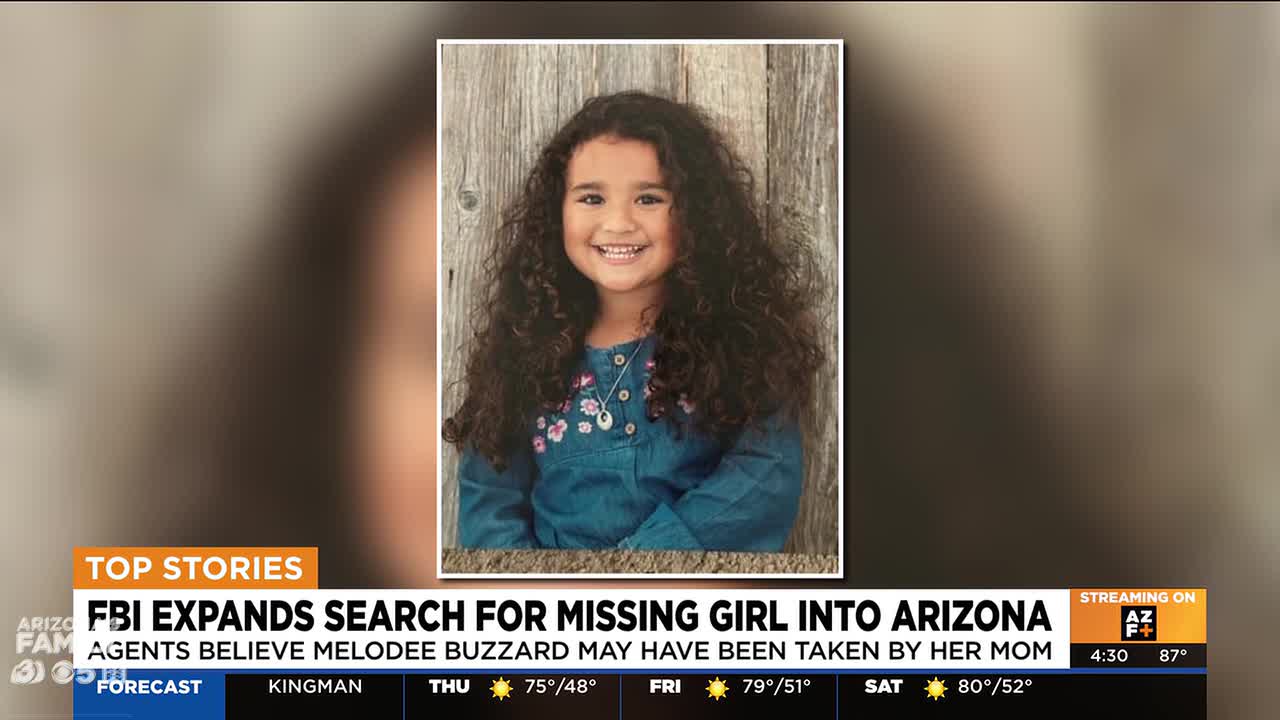
The disappearance of 9-year-old Melodee Buzzard has stunned communities in California, Arizona, and beyond. Federal authorities are urging the public’s help to locate the missing girl, who vanished after her “prolonged absence” was reported from her home in Lompoc, California. The case is full of problems, and it underscores the tricky parts that law enforcement faces when managing missing-person cases that stretch across several states.

The investigation appears to be tangled with issues that touch on everything from interstate travel using a fake license plate to the subtle details of how a mother’s behavior can complicate an inquiry. As an observer with a keen eye on legal and investigative challenges, it is important to take a closer look at the evidence, the timeline, and the inherent legal implications that come with this case.

Breaking Down the Timeline and the Route

Federal investigators and local law enforcement alike are working hard to piece together the timeline of the Buzzard family’s movements. On October 14, Melodee was reported missing after a school official raised alarms over her unexpected absence. When investigators arrived at her family home, they found only her mother—Ashlee Buzzard—present, which raised immediate suspicion. Witnesses and authorities have noted that Ashlee is not forthcoming about whether she and her daughter are safe, a fact that immediately adds a layer of nerve-racking uncertainty to the case.

Reports indicate that Melodee and her mother embarked on a road trip that extended as far as Nebraska, traveling in a rental white Chevrolet Malibu. Moreover, part of this journey was made using a vehicle with a fake license plate—a detail that adds an intimidating twist to an already complicated investigation. Investigators believe that the car traversed Interstate 15 through northwest Arizona, specifically through Littlefield, before the duo made their way back to California on either October 9 or October 10.

Detailed Timeline of Key Events

To help clarify the timeline and shed light on the little details of this case, consider the table below:

Date Event Details
October 7, 2025 Melodee Spotted at Rental Agency Photographed wearing a hoodie and what appeared to be a wig, possibly to disguise her natural hair.
October 9, 2025 Last Known Sighting on the Route Melodee was seen near the Colorado-Utah border, during a period when the car traversed parts of four states.
October 14, 2025 Official Report of Disappearance A school administrator reported a prolonged absence, prompting authorities to investigate her disappearance.

This timeline is an essential piece of the puzzle and illustrates how deeply the case is loaded with issues that blend legal complexities and investigative challenges.

Legal Implications and the Role of Interstate Travel

The use of a rental car with a fake plate—and the subsequent travels through multiple states—brings to the forefront several legal and investigative hurdles. In cases involving cross-state travel, law enforcement agencies must figure a path through differing state laws, each with its own rules regarding missing persons, vehicle registration, and child custody issues.

It is critical for authorities to work through these tangled issues methodically. The interstate nature of this case requires not only local police cooperation but also collaboration with federal agencies, including the FBI. This mixing of jurisdictions is neither simple nor straightforward and demands that investigators sort out a myriad of administrative and forensic hurdles.

State-to-State Investigative Collaboration

When cases involve several states, the following steps are often necessary:

  • Information Sharing: Agencies must quickly exchange information about sightings, vehicle movements, and public tips.
  • Jurisdictional Coordination: Law enforcement officials from multiple areas need to find their way through differing legal frameworks.
  • Evidence Analysis: Authorities must dive in to analyze physical and digital evidence across borders.

These considerations underscore the pivotal role that clear communication and cooperative efforts play in a case that is not only off-putting in its scope but also intense in its legal and procedural demands.

Observations on the Use of Fake License Plates and Rental Cars

The detail regarding the fake license plate on the Chevrolet Malibu is one of the more striking aspects of the case. This is not merely a matter of a small oversight or an accidental misprint; it suggests a deliberate attempt to obscure the vehicle's identity during its long journey. This move complicates the investigation because it also points to premeditated measures that were taken, making the issue even more nerve-racking for investigators who are trying to piece together the route with precision.

Impact on the Investigation

Fake license plates have several tangible impacts on cases like this:

  • Forensic Complications: It can mislead or delay efforts to track the vehicle.
  • Identification Challenges: Authorities must use alternative methods, such as rental agreements, to identify the vehicle's origin.
  • Cross-Border Issues: When combined with interstate travel, the presence of a fake plate creates daunting obstacles for agencies trying to maintain a clear line of inquiry.

This tactic of using a fraudulent identification marker is a particularly tricky part of the investigation that adds to the overall air of mystery and suspicion surrounding the case. It also raises questions about what other measures might have been taken to obscure the truth.

Community Reactions and Public Trust in Law Enforcement

The disappearance of a child is always a heart-wrenching event, and it puts the spotlight on law enforcement agencies tasked with resolving such mysteries. In this case, some community members have expressed concern over the woman’s unwillingness to provide clear details and the overall tangled issues that complicate the case. Unsurprisingly, the public feels that unraveling the full narrative behind Melodee’s disappearance is critical for building trust in the institutions responsible for protecting vulnerable individuals.

There is an understandable anxiety among community members, who are faced with the combined effect of confusing bits of evidence and the overwhelming need for clear answers. For many, the call to assist by law enforcement—through tip lines and anonymous reporting systems—is both a call for justice and an appeal for community solidarity.

The Role of Community Engagement

Public involvement is super important in cases like these. Here are some ways that community engagement has played a role:

  • Anonymous Tips: The availability of multiple methods for reporting tips has encouraged community members to share what they know.
  • Collaborative Reporting: Local news outlets often provide updated information which helps keep the public informed.
  • Social Media Outreach: Hashtags, posts, and community groups can amplify the search for answers and help piece together sightings and information.

These collaborative efforts are key, as every piece of information, no matter how small, might be a fine shade that will eventually help complete the overall picture.

Analyzing the Disguise and Presentation of the Missing Child

An important detail in the case is the photograph from October 7 at the rental car agency. In this image, Melodee was wearing a hooded sweatshirt and what appeared to be a wig, likely intended to conceal her natural hair. This subtle detail raises several questions about why she was dressed in such a manner and what that might indicate about her state of mind or the intention behind the disguise.

It is critical to consider that such little twists, which may at first glance seem trivial, can sometimes provide clues about a broader plan or strategy to remain inconspicuous. The decision to appear differently could be seen as an attempt to avoid detection, hinting at an environment that feels as if it is on edge or even dangerous.

Potential Reasons for Disguise

Some potential explanations for the disguise include:

  • Fear of Recognition: The child or her guardian might have wanted to avoid recognition in public places.
  • Protective Measures: In some cases, disguising oneself can be a strategy to ensure personal safety in unpredictable or tense situations.
  • Intent to Confuse Investigators: Although it is not common for a child to be part of a deliberate plan, the behavior of the guardian in using a disguise could indicate an intent to complicate or delay the investigation.

Each of these potential explanations comes with its own set of challenges for law enforcement and adds layers of tangled issues that need to be carefully sorted out.

The Intersection of Family Dynamics and Legal Accountability

At the heart of this case lies a complex interplay between family dynamics and the law. The report indicates that Melodee was last seen in the company of her mother, Ashlee Buzzard, who has been notably reticent in providing identifying details about their situation. This reluctance inevitably raises questions about legal accountability in child custody and protective services cases.

The legal system faces various twists and turns when evaluating cases that straddle the line between potential neglect and willful interference. It is essential for authorities to take not just the factual evidence into account, but also the contextual and human elements involved. The decisions made in such cases invariably affect not only the child’s safety but also the trust between families and law enforcement.

Implications for Child Protective Services

The involvement of child protective services (CPS) is critical in any incident involving a minor. Potential issues include:

  • Risk Assessment: Evaluating whether the home environment is safe for the child.
  • Custody Evaluations: Determining the appropriate legal custody arrangement when there is suspicion of neglect or abuse.
  • Immediate Protective Action: When a child is in apparent danger or being concealed, agencies must act swiftly to ensure their well-being.

The interplay between CPS and law enforcement is one of the more complicated pieces of this case. These agencies must get into discussions that are full of problematic twists and turns in order to ensure that Melodee's rights and safety are upheld while also investigating any potential wrongdoing by her guardian.

A Closer Look at the Legal Process in Missing-Person Cases

Missing-person cases are inherently full of problems because they require law enforcement to sift through a large volume of evidence, including physical clues, digital data, and eyewitness accounts. When the case involves interstate travel and potentially deceptive actions, such as the use of a fake license plate and the disguising of a child, the investigation becomes even more overwhelming.

The police, in this case, are tasked with making sense of each fine detail while bearing in mind the legal implications that every twist can bring. Establishing a thorough timeline, verifying the authenticity of surveillance photos, and scrutinizing rental agreements are all part of the nitty-gritty that authorities must manage their way through.

Legal Procedures and Investigative Challenges

In cases like that of Melodee Buzzard, the legal process involves several steps that help clarify the situation:

  • Evidence Collection: Gathering all available physical, photographic, and digital traces.
  • Interstate Warrants: Securing the proper legal paperwork to search across state lines.
  • Interagency Collaboration: Coordinating with units like the FBI, local sheriff's offices, and even immigration services if warranted.
  • Legal Interrogations: Conducting interviews and interrogations with all individuals involved or with potentially pertinent information.

These steps are a clear example of how the law must get into every little detail when trying to determine the full scope of events surrounding a disappearance. The burden is shared among multiple agencies, and each is required to find its way through an on-edge system of legal checks and balances while also protecting the rights of those involved.

The Broader Legal and Social Implications

This case does not exist in isolation. Rather, it is a reflection of larger social and legal issues that are central to modern society. From the repeated use of deceptive tactics like fake license plates to the hesitation of a parent to share critical information, there are many subtle parts of this case that raise concerns about public trust in a system meant to protect civilians.

In many ways, the disappearance of a child speaks to overarching topics such as the effectiveness of law enforcement protocols, the roles of child protective services, and the need for clear, communicative government action. The case is a reminder that every community must work together to help identify potential red flags and support procedures that keep our most vulnerable safe.

Long-Term Policy Considerations

As observers and commentators, we can take several lessons away from this incident:

  • Enhanced Interagency Communication: There is a need for clearer channels between local, state, and federal agencies to shove through any confusing bits of information quickly.
  • Stricter Rental Car Regulations: It might be time to poke around legal loopholes that allow for the misuse of rental vehicles and fake license plates.
  • Improved Child Safety Protocols: Strengthening measures in child protective services to spot and intervene when children may be at risk can go a long way in preventing such occurrences in the future.
  • Community Outreach Programs: Fostering relationships between the police and the public can help create a safer environment where suspicious behavior is reported before it escalates.

These policy suggestions could serve as key steps toward resolving the small distinctions and hidden complexities that have, until now, made cases like these particularly niggly and difficult to handle.

Community Action: How to Help When a Child Goes Missing

The discussion about Melodee Buzzard is important not only from a legal perspective but also as a call to action for community members who are eager to help. Law enforcement agencies have provided several avenues for the public to offer tips and information, and it is essential that everyone whose lives have been touched by this tragedy work together to find answers.

Steps the Community Can Take

If you have any information related to the case, consider the following steps:

  • Contact Law Enforcement: Reach out via the Santa Barbara Sheriff’s Criminal Investigations Division at (805) 681-4150 if you have any details regarding sightings or movement of individuals involved.
  • Use Anonymous Tip Lines: For those uncomfortable with identifying themselves, anonymous tip lines are available both through the sheriff’s office and the FBI at (805) 681-4171 or 1-800-CALLFBI.
  • Submit Online Tips: Digital platforms, including the official websites sbsheriff.org/home/anonymous-tip/ and tips.fbi.gov, allow for the discreet submission of useful information.

Public awareness campaigns and community bulletin boards—in both physical and digital spaces—play a crucial role in ensuring that every possible lead is pursued. In times like these, helping each other and sharing even the slightest information can be essential in resolving cases that have wide-reaching implications.

Understanding the Impact on Families and the Legal Community

While law enforcement and investigative agencies work tirelessly to piece together the events related to Melodee’s disappearance, it is also important to acknowledge the severe impact such cases have on families and communities. Cases like these leave behind a trail of anxiety, leaving families grappling with trust issues and a pervasive sense of on-edge uncertainty about whether justice will ever be fully served.

The broader legal community is also affected by cases such as this. Lawyers, judges, and policymakers are frequently called upon to take a closer look at the procedures and policies that govern interstate investigations, child protective services, and accountability for those who might have reason to conceal information. By working together and sharing insights, legal professionals can help develop more robust frameworks that protect children and streamline the investigative processes.

Effects on Public Policy and Legal Reforms

Past cases have set important precedents, while also exposing hidden complexities and problematic fine points in our current legal framework. For example:

  • Policy Reviews: Cases like Melodee Buzzard's serve as super important reminders for lawmakers to review existing policies concerning child safety and missing persons investigations.
  • Interstate Collaboration Reform: Numerous agencies involved in these investigations can benefit from improved procedures that help them work together more efficiently.
  • Improvement in Evidence Handling: As technology evolves, so too must the methods we use to gather, store, and analyze evidence from various sources.

Every one of these aspects has meaningful long-term implications that will affect how future cases are handled. It is our collective responsibility, as members of both the legal community and the public, to advocate for reforms and support systems that put the safety and well-being of children above all else.

Comparative Analysis: Similar Cases and Lessons Learned

A comparative look at other high-profile missing-child cases can offer insights into how this case might proceed and what challenges lie ahead. Over the years, several similar incidents have underscored the importance of efficient, cooperative investigation across state lines.

For instance, past cases have seen how public cooperation and press coverage played a super important role in ensuring that a trail of evidence was preserved, that tips were collected, and ultimately, that a resolution was achieved even if it came decades later. Each of these cases contributes a small twist—or a slight difference—in understanding the way law enforcement and legal systems must adapt their methods in the face of a rapidly changing societal environment.

Lessons from Past Cases

Some key takeaways from previous incidents include:

  • Importance of Early Intervention: Quick reporting and immediate responses can often be the difference between finding a child and losing critical time.
  • Value of Multi-Agency Collaboration: The combining of resources and information across jurisdictional borders has historically helped solve cases with otherwise overwhelming complexity.
  • Community-Driven Efforts: When law enforcement harnesses the power of community outreach, the volume of tips and useful information benefits the investigation.
  • Use of Modern Technology: Tools such as surveillance cameras, social media analytics, and advanced forensic methods play a central role in overcoming the tough bits of such investigations.

Looking back at these examples, it becomes clear that while each case has its own set of nerve-racking challenges, there are lessons to be learned that can help improve future responses and strategies.

How Law Enforcement Can Steer Through the Confusing Bits of Evidence

Law enforcement agencies are in a constant battle against time when handling missing-person cases. Every second counts, especially when the evidence is riddled with conflicting reports and deliberately obscured details, such as the use of disguises or fraudulent documents. In this case, the investigation is a perfect example of how complicated pieces of evidence require a team to figure a path through a labyrinth of information.

The challenges extend beyond just getting clear data. The agents involved must also get into the tricky parts of verifying every detail, whether it’s confirming the authenticity of rental records or checking the vehicle’s travel route across multiple states. This task is not just a matter of routine; it involves critical decision-making and collaboration between numerous departments to ensure that nothing is overlooked.

Steps in the Investigative Process

Officers and investigators typically follow a multi-step process when cases are as layered as this one:

  • Collection of Initial Data: Ensuring that every piece of available evidence, from surveillance photos to eyewitness accounts, is documented.
  • Verification and Sanity Checks: Cross-referencing data with rental car records, vehicle registration details, and travel logs.
  • Analysis of Physical Evidence: Reviewing and examining forensic evidence from the vehicle and the areas where the car was spotted.
  • Interagency Debriefing: Regular coordination meetings between local, state, and federal agencies help each party manage their way through sticky issues.

The outcome of these steps will be pivotal in revealing the fine points of what happened during those nerve-racking days in October. While it may be overwhelming at times, every small stride made in this process counts.

Media Influence and the Pressure on Investigators

One cannot ignore the role that the media plays in high-profile missing-person cases. Extensive press coverage can be a double-edged sword—it spreads necessary information but can also lead to misinformation when the facts are tangled with assumptions. In the case of Melodee Buzzard, both traditional news outlets and digital media have contributed to the public’s understanding, as well as to the pressure on investigators to produce swift breakthroughs.

This public spotlight can drive considerable change for better or worse. On one hand, it mobilizes community engagement and encourages rapid reporting of tips. On the other, it can lead to a flurry of unverified information that requires careful sorting out by law enforcement.

Balancing Public Pressure and Investigative Integrity

Here are some key points regarding the influence of the media on such cases:

  • Fact-Checking and Verification: Responsible news agencies double-check every detail to avoid contributing to the confusing bits of misinformation.
  • Public Accountability: Transparency in the investigation helps build community trust, though it also puts investigators in the spotlight for any perceived missteps.
  • Supporting Investigative Work: Constructive criticism and public engagement can offer additional leads and ensure that every available resource is mobilized.
  • Ensuring Privacy: Balancing the need for public information with the rights of individuals involved, particularly minors, remains a constant challenge.

For legal professionals and media outlets alike, learning to navigate the twists and turns created by public sentiment is a key part of managing a case that spans multiple jurisdictions and touches on deeply emotional issues.

Personal Reflections on the Broader Impact

Reflecting on the unfolding investigation into Melodee Buzzard’s disappearance, I am reminded of the delicate balance between ensuring justice and protecting the rights of all involved. This case is not simply about following leads or gathering evidence; it is about understanding a human tragedy that is entangled in a web of off-putting legal and social issues.

The emotional toll on the family, the community, and the investigators is palpable. While it is imperative that we remain respectful and unbiased, it is equally important to ask tough questions about how law enforcement, child protective services, and the legal system at large can work together to prevent such cases from spiraling into prolonged legal tangles and overwhelming investigations.

Every detail matters—from the way a child is dressed to the meticulous review of a vehicle’s travel log. And while these might seem like minor points, they are often the little twists that provide a breakthrough in a case that is loaded with tension from start to finish.

The Role of Public Discourse and Legal Debate

Legal scholars and practitioners frequently engage in debates over the processes used in cases like these. Some argue that more robust laws and clearer guidelines are needed to ensure a faster, more coordinated response when a child goes missing. Others suggest that the current system, though imperfect, is constantly evolving as new technologies and methods of communication are employed.

In essence, the case invites us to dig into the legal system itself—questioning its strengths, highlighting its weak points, and suggesting improvements that could benefit not only one case but the entire framework of missing-person investigations nationwide.

Concluding Thoughts on a Case Filled with Unanswered Questions

As this investigation continues to evolve, the overarching message is one of vigilance and collaboration. The clues, testaments, and subtle differences in behavior—all those little details—serve a dual purpose. They represent both a trail of breadcrumbs leading investigators closer to the truth and a reminder of the nerve-wracking challenges that law enforcement faces in cases that cross state lines and jurisdictions.

While it is too early to definitively state what outcomes this case will produce, one thing is clear: public involvement, interagency cooperation, and transparent legal processes are key to overcoming even the most tangled and intimidating aspects of investigations like this one.

Ultimately, our society must come together to support both the victims of such cases and those charged with seeking justice on their behalf. By reflecting on the lessons learned from Melodee Buzzard's disappearance—whether it be the importance of verifying evidence, the need to boldly address deceptive tactics like fake license plates, or, most importantly, the role of community involvement—we can hope to make strides toward a future where every missing-child case is met with a swift and compassionate response.

An Appeal for Continued Vigilance

The legal community, law enforcement, and the public all have roles to play in ensuring that cases like these receive the attention and resources they require. As policymakers work on strengthening protocols and improving interagency coordination, our continued willingness to offer information and support remains crucial.

If you possess any knowledge that might help shed light on Melodee Buzzard's whereabouts, please consider reaching out to the appropriate agencies. While the details of this case are as complex as they are overwhelming, remember that every tip, every small piece of verified information, and every shared story contributes to the collective effort to protect our children and secure our communities.

In the end, this case is a sobering reminder of the delicate balance between liberty, safety, and justice. It forces us to look critically at our legal systems and the ways we interact with each other as a society. By asking the hard questions and by working together, we can hopefully resolve this case and, in the process, develop a more resilient approach to handling similar situations in the future.

Final Reflections: A Call to Community Action and Legal Reform

With so many unanswered questions, it is crucial that every stakeholder—law enforcement, legal experts, and the public—remain engaged until all the pieces of this puzzle are fully understood. Let this case serve as both a warning and a beacon: a warning of what can happen when even small twists and turns go unchecked, and a beacon of hope that through cooperation and diligent legal work, justice will prevail.

As we continue to follow this case, we must also focus on learning and growing from it. Stronger laws, better communication channels between agencies, and a community that is prepared to take action are all essential parts of the solution. In doing so, we stand not only for justice in this instance, but for the long-term safety of our society.

The journey to uncovering the truth in this case is far from over, and while the road ahead may be full of intimidating challenges and confusing bits of conflicting information, a united effort from all sectors of society provides the best chance for a resolution that respects both the law and the sanctity of human life.

In closing, let this situation remind us of the importance of remaining vigilant, of actively participating in community safety measures, and of never hesitating to demand accountability from those in positions of authority. Only through sustained collective effort can we hope to navigate through the tangled issues of such cases and maintain a justice system that is truly for the people.

Originally Post From https://www.azfamily.com/2025/11/05/fbi-seeks-tips-missing-california-girl-who-may-have-traveled-through-arizona/

Read more about this topic at
Is Your Child Missing?
Missing and Exploited Children

Share:

Tuesday, November 4, 2025

Uncovering Constitutional Boundaries in Federal Criminal Solicitation

Opinion: Federal Criminal Solicitation and the Boundaries of the First Amendment

The debate over how to define and enforce criminal solicitation laws has been a source of heated discussion in legal circles for many years. Recent cases, including one adjudicated in the Eastern District of Virginia, have brought these issues to the forefront by asking: when does the mere encouragement of a crime cross the line into criminal solicitation? This opinion editorial examines whether federal criminal solicitation laws may be unconstitutionally overbroad, particularly when balanced against the cherished protections of the First Amendment in the digital era.

At the heart of this discussion is a controversial case where a defendant was charged with soliciting the assassination of a political figure by posting provocative messages on microblogging sites. The texts in question featured comments such as “He who kills the president to save the country has broken no laws” and “Take the shot. We’ll deal with the fallout.” Despite their incendiary nature, these messages were ultimately determined by a jury not to constitute criminal solicitation under 18 U.S.C. § 373. The decision raised important questions about the proper scope of the solicitation offense and whether it should encompass what might otherwise be protected political speech.

This editorial will dig into the background of federal solicitation laws, outline the key legal principles at play, discuss the implications for free expression and highlight the pressing need to reconcile public safety with constitutional rights. In doing so, we will explore the tricky parts and tangled issues inherent in balancing the competing interests of law enforcement and First Amendment safeguards.

Understanding the Fine Line Between Solicitation and Advocacy

To get into the heart of the matter, we must first distinguish between what constitutes criminal solicitation and what simply amounts to mere advocacy. Federal criminal solicitation laws have long been understood, at least in their traditional application, to require a deliberate attempt to recruit or induce another person to commit a criminal act. The process traditionally involves an offer, a promise, or an incentive of some sort, serving as a tangible inducement for criminal behavior.

A key case often cited in this context is United States v. Hansen. In Hansen, the Supreme Court narrowed the meaning of “encouragement” to a specialized, legally defined term, one that does not align perfectly with its everyday usage. This judicial narrowing ensures that only specific, deliberate acts of inducement are punishable under the solicitation statute. For example, if a person were simply sharing abstract ideas or theoretical scenarios—no matter how inflammatory—their speech remains protected under the First Amendment.

In contrast, texts that offer a concrete plan, such as proposing a specific criminal venture, are treated very differently. The legal risk is apparent when speech transitions from abstract political expression to a deliberate call to commit a violent act. This crucial distinction is necessary to prevent the overcriminalization of political debate and to ensure that the federal solicitation statute only applies to cases where there is a clear, definite inducement to commit a crime.

Below is a table contrasting the two concepts:

Aspect Mere Advocacy Criminal Solicitation
Content Abstract political speech, theoretical discussions Concrete proposals or offers to engage in violent or illegal acts
Intent Lack of a direct call to action Direct and deliberate attempt to incite criminal behavior
First Amendment Protection Strongly protected speech Potentially outside the bounds of constitutional protection if criteria met

This distinction is essential because it directly informs the debate over whether federal prosecutors can constitutionally charge someone for speech that falls into the ambiguous territory between advocacy and solicitation. By setting a high bar for criminalization, the law aims to ensure that only clearly unprotected speech is subject to sanction.

First Amendment Protections and the Scope of Encouraging Violence

Since the founding of our republic, Americans have taken pride in a government that respects free speech—even when that speech is vehemently critical of political figures or policies. The history of the First Amendment is replete with examples of abstract political speech that would have been deemed treasonous in earlier eras. For example, calling for resistance against governmental abuses historically carried serious repercussions, whereas modern society grants broad protections to such speech unless it crosses a clearly defined line.

The Supreme Court’s decision in Brandenburg v. Ohio plays a pivotal role here. In Brandenburg, the Court held that the government may not punish inflammatory political speeches unless they are intended to produce imminent lawless action and are likely to do so. This ruling underscores the core principle that the mere tendency of speech to inspire violent acts is not enough cause for its prohibition.

Prosecutors in recent federal solicitation cases might contend that speech explicitly advocating the commission of a violent felony should be deemed outside First Amendment protection. They argue that once the message moves beyond a theoretical discussion to one that appears to recruit or incite, it loses its constitutional safeguard. However, this argument becomes problematic when such expressions remain mere abstract encouragement and are not accompanied by definitive plans or offers to perform an act of violence.

Judge Anthony Trenga’s guidance in the discussed case illuminates this issue clearly. He instructed the jury that the First Amendment protects even speech that recommends violence or lawbreaking at some indefinite, future point. According to his instruction, if a defendant’s conduct fits within the parameters of general advocacy rather than a plan designed to cause immediate violence, then the speech must be considered constitutionally protected.

The repercussions of this interpretation are broad. If the government were allowed to prosecute individuals for expressing theoretical discontents or abstract calls for violence, the protective mantle of the First Amendment would be eroded significantly. Legal commentators worry that such a narrow interpretation could chill free speech and stifle political debate—an outcome that the founders of the Constitution worked hard to avoid.

The Tricky Parts of Interpreting Federal Solicitation Statutes

The ongoing debate in federal solicitation cases reveals many tangled issues that complicate the application of laws designed to curb violent crimes. One of the most confusing bits of the current legal landscape is determining when speech transitions from being a form of opinion to a criminal act. Federal statutes often rely on wording that includes terms like “solicits,” “commands,” “induces,” and “endeavors to persuade.” However, legal treatises such as Wayne Lafave’s Substantive Criminal Law suggest a much broader understanding of these terms, which creates room for interpretation.

Specifically, legal experts note that traditional definitions of solicitation in criminal law—even those set out in the Model Penal Code—tend to cover a wide scope of requests. In the Model Penal Code, language such as “commanding, encouraging, or requesting” is defined broadly, potentially capturing more types of speech than originally intended by Congress. This broader interpretation stands in stark contrast to the narrower readings found in important Supreme Court decisions, and it creates a significant area of legal tension.

This tension is not merely academic. It leads to a situation where a large array of speech might fall under the ambit of a criminal offense if prosecutors stretch the meaning of “solicitation” to include mere abstract advocacy. That potential overreach is what makes this area of law so nerve-racking for free speech advocates and legal analysts alike.

In an effort to clarify these concerns, many legal experts, including those who contributed to a 1997 Department of Justice report, have argued that the federal solicitation statute should require more than just pure advocacy. Instead, it should require a tangible inducement—such as a money payment, a direct promise, or a specific, immediate plan—that would remove the otherwise protected, general expressions of opinion.

To better organize this discussion, consider the following bullet list summarizing the key points:

  • Statutory Language: Terms like “solicits” and “encourages” are subject to varying interpretations that can either narrow or expand the scope of prohibited speech.
  • Judicial Precedents: Cases such as Brandenburg v. Ohio have set a high threshold for when speech is no longer protected by the First Amendment.
  • Legislative Intent: Historical documents like Senate Report 98-225 suggest that Congress intended the solicitation statute to address only serious, definitive offers to commit violent crimes.
  • Real-World Implications: Overly broad interpretations could criminalize a wide range of protected political expressions, chilling free speech.

These clarifications are essential for ensuring that the statutory framework is not applied in a way that undermines the constitutional right to free speech. It is a delicate balancing act: on one hand, society has a legitimate interest in preventing violence and protecting public safety; on the other, the risk of overreach in prosecuting mere abstract advocacy threatens to stifle robust political debate.

How Digital Communication Is Shaping the Debate

The advent of digital communication platforms has transformed the way political speech is disseminated and interpreted. Microblogging sites such as X and BlueSky have become arenas where ideas—both benign and incendiary—are spread instantly and without traditional editorial oversight. In this digital environment, the question of when speech constitutes a direct call to action has become even more complicated.

For instance, the case under discussion involved a series of online posts that, taken together, might appear to suggest a plan for political violence. However, when examined closely, these messages lacked the clear, immediate inducement needed to meet the high threshold set by both statutory law and Supreme Court precedent. They represent what might be called the “tangled issues” of modern communication: signals that can be interpreted in multiple ways depending on context, tone, and audience.

Digital platforms also encourage brevity and spontaneity—traits that can amplify the effect of words while simultaneously blurring their intended meaning. The limited space for expression often results in statements that may seem provocative but are not necessarily intended to be taken as direct incitements. This presents a clear challenge to prosecutors who must decide whether such speech should be criminalized, or whether it falls under the umbrella of protected political expression.

Furthermore, the sheer volume of political discourse online makes it difficult for government agencies to monitor and regulate speech without inadvertently capturing protected expression. In the digital realm, where messages are posted rapidly and widely shared, the line between provocative rhetoric and criminal solicitation can become incredibly fine. The risk here is that overzealous enforcement could have a chilling effect on online political debate, depriving citizens of a robust forum for expressing dissenting views.

To underscore this point, consider the following table that contrasts traditional communication with digital discourse:

Aspect Traditional Communication Digital Communication
Message Length Longer and more nuanced Brief, with potential for misinterpretation
Audience Localized or regional Global and diverse
Contextual Clarity Often supported by detailed explanation Limited by character count and rapid-fire delivery
Regulatory Challenges Easier to monitor and interpret More prone to overbroad interpretations

In this environment, any attempt to define criminal solicitation must account for the nuance of digital rhetoric, ensuring that the law does not inadvertently suppress legitimate political expression. The risk is that speech which is merely expressive and future-oriented becomes subject to prosecution simply because it uses language that, in another context, might have been taken as a direct call to immediate violence.

Legislative Intent and the Need for a Focused Approach

A careful read of the legislative history surrounding federal criminal solicitation laws reveals that Congress intended these statutes to target only those acts that demonstrate a serious offer to conspire in committing a violent felony or engaging in a similarly illegal transaction. Senate Report 98-225, for instance, emphasized that solicitation involves a form of “hiring or partnering” that is part of a direct chain leading to criminal action. This understanding implies that speech lacking any element of a specific plan or agreement should remain safely within the protections of the First Amendment.

Proponents of a more narrowly tailored reading argue that the statute should focus exclusively on cases where there is a clear, direct inducement accompanied by tangible offers or promises. Without this additional requirement, broad statutory language could be applied to a host of cases that come within the orbit of political debate and free expression. Such an application would not only create unnecessary legal uncertainty but could also have far-reaching implications for the defense of civil liberties.

To further illustrate this point, consider the bullet list below highlighting the core components of a focused legislative approach:

  • Clear Intent: The statute must require proof of an intentional effort to persuade someone to immediately commit a violent or illegal act.
  • Tangible Inducement: Mere abstract statements or theoretical advocacy should not meet the threshold for criminal solicitation.
  • Contextual Consideration: Courts should take into account the broader context, including the medium and manner in which the speech was communicated.
  • Protection of Free Speech: The statute must be designed to leave untouched the robust, fundamental political discourse that lies at the heart of American democracy.

This approach would not only be more in line with the intent expressed by Congress in the legislative history but would also better safeguard the delicate balance between preventing incitement to violence and preserving essential free speech rights.

Real-World Implications: A Contemporary Case Study

The recent case in the Eastern District of Virginia, where a defendant was charged with soliciting violence by using provocative online messages, offers a real-world glimpse into the challenges posed by federal solicitation statutes. In that case, a jury ultimately found the defendant not guilty, underscoring the difficulty of drawing a clear line between protected advocacy and prosecutable incitement.

The fact that the defendant’s speech was deemed to fall within the ambit of protected expression highlights a critical point: if the elements of criminal solicitation can be met by what amounts to mere abstract encouragement, then the protections afforded under Brandenburg and other landmark cases would be rendered meaningless. The jury’s decision, guided by District Judge Anthony Trenga’s instructions, reinforces the idea that the First Amendment must serve as a safeguard against overly broad interpretations of solicitation statutes.

Moreover, this case reflects the broader societal debate about the role of digital platforms in shaping political expression. When social media becomes the primary forum for political debate, the risk that legislative overreach in prosecuting abstract advocacy could inhibit public discourse becomes all the more acute. The potential consequences include not only a chilling effect on free speech but also a broader erosion of the trust that underpins our democratic institutions.

To better understand the implications, here is a summary of the key takeaways from the case:

  • Jury Decision: The defendant was found not guilty of criminal solicitation, demonstrating the high threshold required for conviction.
  • Judicial Guidance: The court emphasized that speech merely advocating violence at an indefinite future time is protected under the First Amendment.
  • Impact on Free Speech: Enforcing a broad interpretation of solicitation could criminalize a wide range of political statements, thereby suppressing free expression.
  • Modern Challenges: The digital nature of communication complicates the clear demarcation between protected advocacy and incitement to crime.

This case serves as an important reminder that legal rules must be carefully calibrated to address the subtle differences between dangerous incitement and legitimate political debate. The use of provocative language in a public forum, even if it appears extreme, does not automatically rise to the level of criminal conduct unless it is accompanied by clear, specific intent to produce immediate illegal conduct.

Balancing Public Safety and Free Expression: A Call for Reform

The complexities of adjudicating cases involving federal criminal solicitation are further compounded by societal demands for both public safety and the preservation of free speech. It is super important that any regulatory framework respects the delicate balance between preventing real harm and stifling dissent. The overbroad application of solicitation laws risks undermining the very democratic values that allow for robust public debate.

Advocates for reform argue that the current legal framework should be adjusted to require higher proof of inducement before speech can be criminalized. This would involve a more precise interpretation of what constitutes a “serious offer” or a “partnership arrangement” aimed at committing violence. By embedding these additional requirements into the statute, lawmakers and the courts can help ensure that only speech intended to provoke immediate lawless action is targeted by the law.

Indeed, a more narrowly focused application of criminal solicitation statutes would have several key advantages. First, it would better protect individuals who engage in passionate political expression without intending to incite immediate criminal behavior. Second, it would provide clearer guidelines for law enforcement and prosecutors, reducing the risk of arbitrary or overzealous charges. Finally, such a reform would reinforce the essential idea that the government has limited authority to police political discourse, particularly in the age of digital communication.

For legislators and policymakers, the path forward involves careful consideration of both historical precedent and modern realities. Drawing on the insights of legal scholars and historical records, lawmakers should consider amending the relevant statutes to incorporate stricter standards for what constitutes actionable solicitation. In doing so, they can preserve the core protections of the First Amendment while ensuring that only those acts that truly pose an immediate threat to public safety are punished.

Below is a table summarizing the arguments for a more focused approach to federal solicitation laws:

Argument Explanation
Protection of Free Speech A narrowly tailored statute would leave untouched the robust exchange of ideas essential to a functioning democracy.
Legal Clarity Higher proof requirements for inducement would reduce ambiguity, making it easier for law enforcement to determine when prosecution is appropriate.
Consistency with Precedents Aligning the statute with key Supreme Court rulings such as Brandenburg v. Ohio reinforces the principle that abstract advocacy is protected.
Public Safety Without Overreach Targeting clearly defined, immediate inducement prevents dangerous conduct while ensuring political expression remains free.

This balanced approach would help society find its path through the maze of legal and political tensions. By requiring proof of clear, unequivocal intent—and not just abstract advocacy—the law can protect citizens without infringing on their constitutional rights.

Concluding Thoughts: Balancing Legal Enforcement with Democratic Values

The issues raised by federal criminal solicitation laws are riddled with tension as they attempt to mediate between the need to protect public safety and the equally critical need to safeguard free speech. Recent cases serve as a stark reminder that when the boundaries of solicitation are drawn too closely around abstract political discourse, the First Amendment’s protections could be at risk.

With the digital age amplifying every word posted online, the need for precise legal definitions has never been more clear. As we have seen, society’s reliance on digital platforms for political dialogue brings both tremendous opportunities and significant challenges. The twisted issues of interpreting what constitutes true criminal solicitation versus harmless airings of opinion underscore the necessity for careful legislative reform.

In weighing the benefits of enhanced public safety against the fundamental right to free speech, lawmakers and courts must find a way to avoid creating an environment where political expression is unnervingly curtailed. Political speech—even when provocative—forms a core part of the vibrant, dynamic discourse that fuels democratic decision-making. Therefore, any criminal statute must be crafted with an eye toward ensuring that it does not inadvertently chill these crucial conversations.

Moving forward, it is imperative that both the legal community and policymakers collaborate to define a more focused framework for interpreting solicitation statutes. Doing so would require:

  • Reexamining legislative histories to honor the original intent behind the statutes.
  • Incorporating clear, evidence-based criteria that distinguish between abstract political debate and direct incitement.
  • Engaging in open dialogue with digital platform experts to appreciate better the context in which communications occur today.
  • Ensuring that any reform dedicated to public safety does not come at the expense of the free exchange of ideas.

The resolution of these issues stands as a testament to our country’s commitment to both civil liberties and public order—a balance that is as challenging to achieve as it is essential to democratic governance. By carving out a narrow definition of what constitutes actionable solicitation, the courts can help assure that politically charged speech remains safeguarded while providing law enforcement with clear guidance on when criminal charges are appropriate.

In closing, while the case from the Eastern District of Virginia provides a significant step in clarifying the limits of federal criminal solicitation statutes, it is only part of an ongoing dialogue about the acceptable boundaries of political speech in our modern era. The legal community must work diligently to address the subtle parts and hidden complexities that arise in this balancing act. After all, our democracy depends on both the robust protection of free speech and the careful regulation of actions that endanger public safety.

It is the duty of legal scholars, judges, legislators, and even citizens to continue to figure a path through these challenging waters. Only by affirming the crucial role of expressive freedom while also taking definitive steps to curtail imminent lawless action can we ensure that our society remains both free and secure. In our quest for justice, we must be cautious not to let the fear of violent rhetoric undermine the principles that have long defined our nation's commitment to liberty and open debate.

The debate over whether federal criminal solicitation laws are unconstitutionally overbroad is far from over. Nevertheless, as we continue to steer through this maze of legal interpretations and societal expectations, one thing remains clear: protecting the right to free speech is a must-have pillar of our democratic framework—one that must not be sacrificed at the altar of overzealous law enforcement.

Originally Post From https://www.acslaw.org/expertforum/is-federal-criminal-solicitation-unconstitutionally-overbroad/

Read more about this topic at
Solicitation | U.S. Constitution Annotated - Law.Cornell.Edu
Control of Solicitors and Peddlers

Share: