
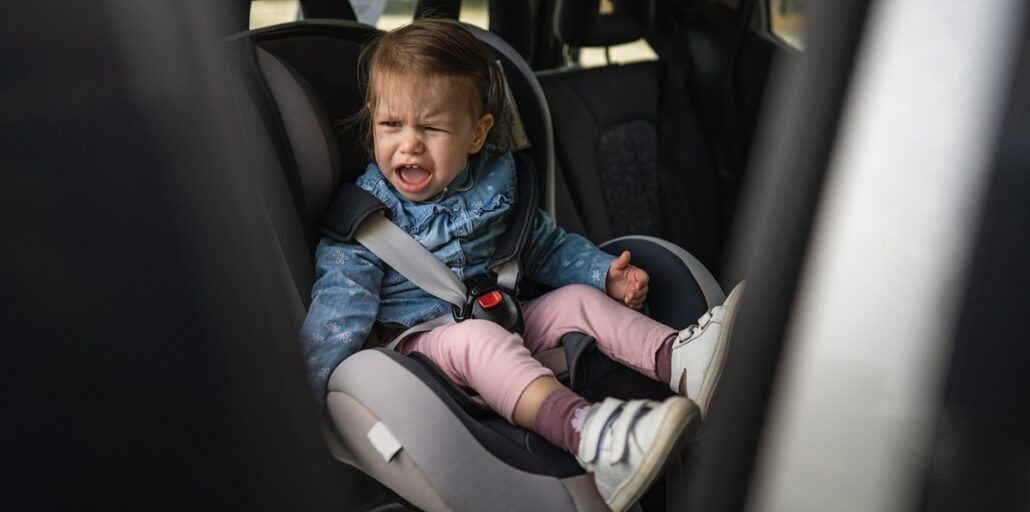
Child Endangerment in a Hot Car: An Arizona Perspective
In the sweltering heat of Arizona, the debate over whether leaving a child alone in a car constitutes criminal behavior is both timely and complex. While Arizona law does not explicitly state that a parked vehicle is off-limits for a brief absence, the potential for harmful consequences makes this issue a subject full of problems for both parents and the legal system. In today’s opinion piece, we get into how the state handles these cases under ARS §13-3623—exploring the legal twists and turns, the realities of harsh penalties, and the approaches a seasoned attorney might take when defending an accused parent.
With temperatures soaring and public awareness rising, parents must be extra cautious. Even if a parent’s intention is not to harm, the confusing bits of the law and the potential misinterpretation by authorities can lead to charges of child abuse and endangerment. This article aims to clarify the key pieces of the law and offer some guidance for those navigating these tricky parts of Arizona’s legal system.
Understanding the Arizona Statute ARS §13-3623
At the heart of the matter is ARS §13-3623, a statute that defines child abuse in a way that may catch many off guard. Instead of having a straightforward rule that clearly prohibits leaving a child unsupervised in a car, the statute focuses on the substantial risk to the child’s health or life. It specifically notes that any act that “creates a substantial risk of imminent death or injury” can be grounds for criminal charges.
This creates a legal landscape loaded with issues, as many parents might assume that a momentary absence during a short errand would not qualify for criminal charges. However, Arizona prosecutors have the discretion to use this law to press charges if they determine that a child is placed in a situation that could foreseeably cause harm—even if no harm ultimately occurs.
Legal Framework Under ARS §13-3623
The law is meant to protect children from dangerous circumstances, a goal that is both essential and super important in a state renowned for its extreme heat. However, it also raises some challenging questions:
- How much time is too long when leaving a child in a vehicle?
- What constitutes “substantial risk” when a child is left unattended?
- Under what conditions does the existence of a responsible adult nearby change the scenario?
It is these little details that often determine whether a case is dismissed or leads to serious consequences, ranging from misdemeanor charges to felony convictions in the event of injury or death. The fine points of this statute require parents and legal practitioners alike to really figure a path through its tangled issues.
How Arizona Interprets “Substantial Risk” in Child Endangerment
In Arizona, the question isn’t solely whether harm occurred, but whether the child was exposed to a real risk of injury or death. If a parent leaves a toddler for what they believe is a quick moment of privacy, and the car’s interior temperature spikes dangerously high, prosecutors can argue that the parent was aware—or should have been aware—of the risks.
This aspect of the law is one of the most nerve-racking to deal with because it focuses on potential harm rather than actual damage. Thus, in cases where no physical injury has been documented, legal battles can still ensue, leaving families in a state of legal limbo.
Dangers of Leaving a Child Unattended in a Vehicle on Arizona’s Hot Days
Arizona’s climate is infamous for its blistering heat, which can rapidly transform a parked car into a death trap for a child. What may seem like a safe environment can become incredibly dangerous in a matter of minutes. Let’s take a closer look at why leaving a child in a hot car is a risk that many people still underestimate.
How Heat Builds Up in a Parked Car
Even on days when the temperature outside seems bearable, the interior of a vehicle can heat up by more than 20 degrees within 10 minutes. This is due to the greenhouse effect—the car’s windows trap heat inside, circulating scorching air that is often several times hotter than the ambient temperature.
For example, on a 100-degree day in Phoenix, the inside of a car can quickly reach temperatures upward of 120 degrees or more. The human body, especially that of a small child who heats up three to five times faster than an adult, cannot cope with such conditions. This rapid escalation in temperature is one of the confusing bits that often catch caregivers off guard, transforming a short absence into a situation loaded with problems.
Common Risks and Hazards
Beyond the obvious risk of heatstroke, there are several other threats when a child is left alone in a car:
- Accidental vehicle movement: If the car is left in gear or with the engine running, there is a risk of the vehicle moving unexpectedly.
- Strangulation hazards: Items such as seat belts or power window cords can become dangerous in a confined, unsupervised environment.
- Exposure to outside dangers: A parked vehicle may catch the attention of individuals with harmful intentions, increasing the risk of abduction or external harm.
- Suffocation risks: In some instances, limited airflow or blocked vents can contribute to an even more hazardous environment within the car.
These risks illustrate why leaving a child alone in a car is not a trivial matter. The potential for rapid temperature rise coupled with other hazards makes this issue more complicated than it appears on the surface.
Penalties and Legal Consequences for Child Endangerment in Vehicles
The harsh penalties that can result from charges under ARS §13-3623 are designed to act as a deterrent; however, they can also inflict irreversible damage on the lives of parents accused of what may have initially been an honest mistake. Let’s explore the potential legal outcomes and the range of punishments associated with such cases.
Breakdown of Charges and Penalties
Arizona considers cases involving a child left unattended as a series of graded offenses based on the severity of the risk or harm involved. The following table provides an overview of the classifications and potential penalties:
| Type of Offense | Classification | Potential Penalties | Relevant Statute |
|---|---|---|---|
| Endangering a child without injury | Class 1 Misdemeanor | Up to 6 months jail, fines up to $2,500, probation, mandatory parenting classes | ARS §13-3623(B)(3) |
| Substantial risk of imminent death (no injury) | Class 6 Felony | Up to 18 months in prison, fines up to $150,000, possible Department of Child Safety supervision | ARS §13-3623(B)(2) |
| Child suffers injury due to neglect or heat exposure | Class 3 Felony | 2.5 to 7 years imprisonment, potential loss of custody, lifetime felony record | ARS §13-3623(A)(2) |
| Child dies as a result of negligence | Class 2 Felony | 4 to 10 years imprisonment, permanent loss of parental rights | ARS §13-3623(A)(1) |
This table illustrates the staggering consequences that can follow even a brief lapse in judgment. While some cases may seem like a misunderstanding or an off-hand error, the state treats any risk of harm as a serious matter.
Other Legal and Social Consequences
Beyond formal punitive measures such as jail time and fines, there are additional consequences that parents might face:
- Permanent mark on one’s legal record: A felony record can have long-term implications on employment, housing, and personal reputation.
- Intervention by the Department of Child Safety: DCS may step in, leading to investigations or even temporary or permanent removal of the child from a parent’s custody.
- Social stigma: Convictions in these matters often lead to public ostracism and can irreparably damage family relationships.
These outcomes, combined with the ongoing stress of a legal battle, highlight the nerve-racking situation that even an unintended violation can create. The legal maze can be daunting for any parent, particularly when the charges arise from a momentarily poor decision rather than sustained negligence.
Effective Strategies for Managing Child Endangerment Charges
Given the potential for severe consequences, it is absolutely critical for anyone facing such charges to get legal representation promptly. Many legal professionals advise that early engagement with a skilled attorney can help mitigate the risk of harsh penalties and ensure a fair assessment of the case.
Crucial Defense Strategies
If you are accused of leaving a child alone in a vehicle, several defense strategies might be available. An experienced criminal defense attorney can help identify avenues to minimize or dismiss charges. Here are some strategies that can be instrumental in these cases:
- Lack of Intent: Demonstrating that the incident was accidental and lacked any harmful intent can be a key point in the defense. Courts often scrutinize whether the parent knowingly placed the child in a risky environment.
- Short Duration of Absence: Evidence that the child was only briefly unattended might persuade the court that there was no genuine danger. For instance, surveillance footage or witness testimony can sometimes clearly show that the absence was momentary.
- Emergency Situations: If the parent left the child in order to attend to an urgent and unforeseen situation—such as a medical emergency—this context may be taken into account to reduce culpability.
- Procedural Errors: If law enforcement failed to follow proper protocols or if evidence was secured in a questionable manner, these missteps can sometimes lead to charges being reduced or dropped outright.
These points underline the necessity of having a lawyer who can really poke around the details of each case, gathering evidence that highlights the lack of malicious intent and the specific circumstances leading to the incident.
Constructing a Strong Defense: The Role of Evidence
A strong defense often hinges on collecting and presenting the right evidence. This includes:
- Security camera footage showing the duration of the parent’s absence
- Witness testimony that clarifies the situation
- Expert evaluations demonstrating the rapid increase in temperature
- Medical records or expert opinions that assess the risk posed to the child
The little twists in the legal process can sometimes be resolved by leaning on this evidence. For example, if it can be reasonably shown that the child's exposure time was minimal, or that another adult was present to monitor the situation, charges may be significantly mitigated.
What to Do If You Witness a Child Alone in a Car
There are situations when you might find yourself in a position to help rather than face charges yourself. Knowing what action to take when you see a child alone in a vehicle is critical—not just for the wellbeing of the child, but also for ensuring that your actions are legally sound.
Steps to Take in a Child-in-Car Emergency
If you come across what appears to be an unattended child in a hot vehicle, consider the following steps:
- Dial 911 Immediately: Report the location, provide a description of the vehicle, and relay any observations that indicate the child might be in distress.
- Assess the Situation: Quickly determine if the car’s doors are unlocked. If it is safe and reasonable, you might be able to open a door or window to allow some fresh air into the vehicle. However, avoid causing damage to the car unless absolutely necessary.
- Wait for First Responders: Once you’ve called 911, stay on the scene to provide further information to the responding officers.
- Document the Incident: If possible, take note of the time, location, and any other details that might be useful later for legal or investigative purposes.
Above all, remember that while your impulse to help can be admirable, it is important to avoid actions that might inadvertently lead to legal complications for you. Arizona law does not provide blanket protections under the Good Samaritan principle for breaking into a vehicle, so caution is essential.
Recommended Response Guidelines for Bystanders
For clarity, here is a bulleted list summarizing the recommended response if you see a child left alone in a car:
- Call 911 without delay.
- Provide a clear and detailed description of the vehicle and its location.
- Observe from a safe distance without interfering unnecessarily.
- If safe and without causing damage, try to improve air circulation without forcing entry.
- Remain at the scene until authorities arrive to share any useful details.
This approach not only aids in potentially rescuing the child but also shields you from becoming entangled in legal issues later on.
Practical Guidance for Arizona Parents to Avoid Legal Pitfalls
For many parents in Arizona, the thought of facing criminal charges for what seems like a minor lapse in judgment is intimidating. The best off-the-ground strategy is prevention. By taking some smart preventative measures, you can avoid the nerve-racking possibility of legal entanglement entirely.
Everyday Precautions to Protect Your Children
Here are several key points that can help Arizona parents steer through these situations safely:
- Plan Ahead: If you anticipate needing to run a quick errand, plan for a designated caregiver who can accompany your child. This is one of the simplest ways to reduce any risk of leaving them unsupervised.
- Use Technology: Modern vehicles and smartphone applications offer ways to monitor your car remotely. Some vehicles have systems that alert you if the interior temperature climbs too high.
- Create a Safety Routine: Establish a routine for running quick errands that minimizes the time your child is out of your sight. Even a few extra seconds of careful planning can make a huge difference.
- Educate Yourself: Stay informed about local laws, the common risks associated with unattended children in cars, and recent cases in your area. Knowledge is key when it comes to the fine shades of what activities might expose you to legal liability.
These practical steps not only help protect your child from physical harm but also serve as a safeguard against the tangled issues that may arise should an incident be misinterpreted as child neglect.
Community Education and Advocacy
Beyond personal precautions, there is a growing discussion in many communities about the need to educate the public on these matters. Local parent groups and community organizations can play a vital role in raising awareness about the risks of leaving children unattended in vehicles, particularly during the extreme heat of an Arizona summer.
Advocacy efforts might include:
- Hosting community seminars on child safety in vehicles
- Distributing educational materials that explain the law in simple terms
- Partnering with local law enforcement to develop protocols that both protect children and provide clear guidance to parents
Such initiatives are intended to ensure that parents are not left trying to figure a path through an intimidating maze of legal details when a preventable mistake occurs.
How a Phoenix Criminal Defense Attorney Can Help Protect Your Future
In the unfortunate event that charges are pressed against you, the importance of securing professional legal counsel cannot be overstated. Navigating these legal waters without expert guidance can lead to a situation that is both overwhelming and full of problems.
Targeted Legal Support and Strategy
When facing child endangerment charges related to leaving a child unattended in a vehicle, a seasoned criminal defense attorney will work with you to:
- Assess the full details of your case to identify any missteps by law enforcement or prosecutorial errors
- Gather and examine evidence, including surveillance footage and witness statements, that can support your defense
- Present a compelling case to argue that the short duration or emergency nature of the incident did not reflect malicious intent
- Negotiate with prosecutors to potentially reduce charges or, in optimal cases, have charges dismissed altogether
This targeted approach is designed to ensure that a single lapse in judgment does not become a permanent blot on your personal record or compromise your family’s future. In many cases, defense attorneys with experience in these matters have been able to expose procedural mistakes and argue convincingly that the risk was minimal or unintentional.
Real-World Success Stories and Lessons Learned
Many parents who found themselves at the mercy of the legal system have now spoken out about their experiences. Some of the common themes include:
- Surprise at the severity of the charges despite no lasting harm to the child
- Appreciation for how attentive legal counsel helped steer them through a nerve-racking process
- The realization that even a brief absence can be mischaracterized if not properly defended
These stories act as cautionary tales, emphasizing the critical importance of due diligence and preventive measures in situations that could quickly spiral out of control.
The Broader Implications: A Call for Clearer Guidelines
As the debate continues, it is clear that Arizona’s legal system faces a challenging dilemma. On the one hand, there is a pressing need to protect children from the very real dangers of heat and danger in a parked car. On the other, overly harsh consequences can appear intimidating and may penalize parents for isolated, unintentional lapses.
This situation calls for a careful re-examination of the laws, seeking a balance between child safety and fairness towards parents. Lawmakers are urged to consider reforms that provide clearer guidelines, so that the fines and jail sentences truly reflect the intention and the context of each case rather than imposing a one-size-fits-all penalty.
Potential Areas for Legal Reform
Some areas that would benefit from a closer look include:
- Clarification of “substantial risk”: Redefining what constitutes a significant risk could help avoid charging parents for brief, low-risk absences.
- Grace periods for minor, accidental lapses: Implementing policies similar to “good faith” exceptions—already common in many other jurisdictions—could offer relief to parents while maintaining child safety.
- Enhanced public education: Ensuring that parents have ready access to clear, understandable resources about the risks and legal implications of leaving children unattended in cars.
Such reforms would not only improve the fairness of the judicial process but also potentially prevent future tragedies by making the rules more understandable to everyday citizens.
Final Thoughts: Balancing Child Safety and Parental Responsibility
In a state like Arizona, where summer temperatures can soar and create life-threatening conditions almost instantly, the law rightly prioritizes child safety. Yet, the routes and procedures by which it does so are riddled with tension and confusing bits that can leave parents feeling overwhelmed. The key is education and preparedness—both in everyday life and in the legal arena.
For parents, the message is clear: always err on the side of caution. Make sure that even a momentary lapse in supervision is avoided. And if ever faced with the daunting possibility of legal charges, seek prompt and expert advice to help sort out your case.
For lawmakers and community leaders, this is a call to action—to establish clearer guidelines and more balanced approaches that protect children without unduly penalizing well-intentioned parents. By working together, it may be possible to create an environment where child safety is never compromised, and where justice is administered with fairness and understanding.
Key Takeaways for Arizona Families
To summarize the essential points discussed in this opinion piece, consider the following practical takeaways:
- Understand that Arizona’s ARS §13-3623 can be applied even in cases with no immediate harm, based solely on the risk posed to a child.
- Recognize that the dangers of leaving a child unattended in a car are real—even if the duration is short—given the unpredictable nature of heat buildup.
- Take all possible precautions to avoid even brief unsupervised moments, and always consider alternative supervision options.
- If legal charges arise, secure an experienced attorney who can help dig into the details and work through the legal process with a focus on minimizing long-term repercussions.
- Advocate for clearer, fairer laws that protect both children and families, ensuring that justice does not become overly punitive in isolated incidents.
Moving Forward With Informed Awareness
The law’s primary goal is to safeguard the welfare of our youngest and most vulnerable citizens. While this imperative is unquestionably important, so too is the need for balanced enforcement that takes human error and unavoidable circumstances into account. As a community, especially in a state known for its punishing heat, striving for this balance is key.
Ultimately, every parent hopes to protect their child from harm. Yet, when economic pressures, busy schedules, and split-second decisions come into play, mistakes can happen. In those moments, having the support of knowledgeable legal professionals—and the reassurance that the system is fair—can make all the difference.
Conclusion
Arizona’s approach to child endangerment cases, particularly those involving the seemingly minor yet potentially dangerous act of leaving a child in a hot car, is one wrapped in legal twists and turns. While the law’s intent is undeniably to keep children safe, its application can sometimes be much more intimidating than expected.
The cascading effects of even a brief absence, from police intervention to possible charges and a lasting legal record, paint a picture of a system that must clearly differentiate between genuine neglect and a momentary lapse in judgment. Parents are encouraged to be proactive, take all necessary safety precautions, and educate themselves on the potential risks. Furthermore, community initiatives aimed at clarifying these legal points and advocating for more guest-friendly policies could lead to a safer, more informed public.
The conversation about what constitutes child endangerment in vehicles is ongoing. As temperatures remain high and the legal landscape continues to evolve, everyone—lawmakers, legal experts, and families alike—must work together to figure a path that both protects our children and upholds justice with fairness and prudence.
By taking proactive steps in planning, seeking education, and consulting with experienced legal professionals when necessary, parents can avoid falling into the traps of these complicated legal issues. At the same time, a re-examination of the laws may be needed to ensure that they serve the intended purpose without imposing irreversible consequences for minor, unintentional lapses.
In the end, fostering an environment of mutual understanding and clear communication between the public and the legal system is the best way forward. With informed awareness and thoughtful legal reforms, Arizona can continue to protect its children while more fairly accommodating the everyday realities faced by parents.
Read more about this topic at https://arjashahlaw.com/criminal-defense/child-alone-in-car-endangerment/
Related articles you might like
North Carolina Child Endangerment Attorneys
Child Endangerment Attorneys in Raleigh - Free Consultation


0 Comments:
Post a Comment
Note: Only a member of this blog may post a comment.