Saturday, July 19, 2025

White House Allies Urge Ernst to Make a Bold Comeback

Cloudflare Connection Verification: A Closer Look at Digital Security Checks

In today’s fast-paced digital world, the process of verifying that you are human before accessing a website has become a common, yet surprisingly influential, point of discussion in discussions about online safety, legal accountability, and privacy protections. Observing messages such as “Verifying you are human. This may take a few seconds” reminds us that behind the scenes, complex security measures are hard at work to protect both users and websites from harmful intrusions. In this opinion editorial, we step back and look at the tangled issues of digital safety—a subject that is not only essential for maintaining the trustworthiness of online interactions but is also loaded with legal, technical, and social implications.

When encountering an online portal that states, “www.politico.com needs to review the security of your connection before proceeding,” it might seem like a minor inconvenience. However, such messages have a deeper significance in the larger context of network security, user privacy, and digital legal policy.

Unpacking the Verification Message: Why It Matters for Users and the Law

At first glance, a notification with phrases such as “Verification successful” or noting a unique Ray ID, for example, “Ray ID: 961d1b28eeb56fe1,” may seem like straightforward technical jargon. Yet, these messages encapsulate the very nerve-racking moments when cybersecurity systems actively protect digital transactions. In this segment, we take a closer look at the hidden complexities of these digital checkpoints and discuss why understanding them is essential within a legal context.

Human vs. Bot: The Fine Balance in Automated Security

The process of verifying that a website visitor is human involves automatically distinguishing real users from potential bots. While the presence of bots can help power certain automated functions, malicious bots pose a significant risk. They can perpetrate hacking attempts, spamming, or other criminal activities. To get into these challenging bits, systems like Cloudflare use a series of tests—ranging from device fingerprinting to behavioral analysis—to figure a path that distinguished genuine users from automated threats.

  • Identifying suspicious activities: By analyzing IP addresses, geolocation, and browsing patterns, the system is able to fine-tune its security protocols.
  • Minimizing false positives: Ensuring that regular users are not inconvenienced by excessive scrutiny is a constant priority.
  • Mitigating cyber-attacks: Once a threat is identified, measures are taken swiftly to mitigate potential harm.

While the technology behind these checks is often viewed as a technical safeguard, it is also essential from a legal perspective. In an era where digital activities are increasingly scrutinized under the law, understanding these verification processes lends insight into how digital rights and responsibilities are enforced. Legal professionals and users alike benefit from grasping the subtle details of how their online interactions are secured.

Security Mechanisms Protecting Digital Communication: A Closer Look

The message “Performance & security by Cloudflare” may appear as nothing more than an automated disclaimer. However, it is a representation of a highly engineered system designed to reduce threats that affect both individual and corporate digital journeys. The security methods used are underpinned by the need to stave off constantly evolving challenges in the cybersecurity landscape.

Dissecting the Protective Layers of Cloudflare

Cloudflare and similar systems operate using a multi-step process designed to protect users while ensuring that websites remain accessible. The key steps include:

  • Connection Analysis: The system assesses the nature of your connection, checking for any anomalies that might indicate harmful activity.
  • Security Gateways: These points decide whether access should be granted or if further scrutiny is required.
  • User Notifications: Informative prompts keep users aware of the ongoing process, fostering trust by demonstrating that security measures are in place.

When these checks conclude with a “Ray ID” displayed on your screen, it is essentially like receiving a digital receipt after a security scan. This unique identifier is logged and can assist in troubleshooting any issues should there be a breach or a false positive. Understanding these steps underscores how a digital ecosystem must work diligently to ward off intimidating threats that lurk in cyberspace.

Comparative Analysis of Web Security Verification Methods

The way in which websites deploy verification messages varies considerably across platforms. Here is a comparative table summarizing some common factors:

Verification Method Key Features Potential Drawbacks
CAPTCHA
  • Simple human verification challenge
  • Wide adoption across websites
  • Can be nerve-racking for users with disabilities
  • May sometimes misidentify human actions
Behavioral Analysis
  • Assesses natural user activity
  • Less intrusive than manual tests
  • May require more data collection
  • Complex interpretations of user behavior
Device Fingerprinting
  • Gathers device-specific information
  • Helps in detecting anomalies
  • Raises privacy concerns
  • May be considered intrusive by some users

This comparative snapshot helps us see that while each method is super important in its own right, the overall effectiveness of verification systems depends on a careful balancing act between user convenience and security performance.

Online Connection Security: Bridging the Gap Between User Experience and Legal Requirements

The intersection of digital security measures and legal oversight is an evolving frontier. Online security verification isn’t merely about stopping cyber-attacks; it also has far-reaching implications for areas such as data privacy, liability, and consumer rights. This section explores the legal terrain associated with digital verification and examines how laws are catching up to rapid technical advancements.

Legal Frameworks and Digital Safety: A Delicate Equilibrium

A crucial part of our discussion is understanding the legal frameworks that underpin online security measures. Governments around the world have adopted laws that attempt to proactively tackle the heady mix of online safety, data handling, and privacy concerns. However, these laws typically need to work through the challenging parts posed by new technology and rapidly changing digital landscapes. Some of the aspects include:

  • Data Protection Regulations: Laws such as the General Data Protection Regulation (GDPR) in Europe are designed to ensure that any personal data, including that collected during online verification processes, is safeguarded.
  • Liability in Cybersecurity: Determining responsibility when a security breach occurs is a tricky area often mired in legal twists and turns.
  • User Rights and Consent: The idea that users should be fully informed and give clear consent for data collection ‘on the fly’ is a subject of ongoing debate within the legal community.

From a legal perspective, the essential need is to protect consumers while ensuring that companies can implement robust security measures. The balancing act here involves making sure that user privacy is not overwhelmed by strict security measures, and that legal controls are neither too loose nor too suffocating.

The Role of Transparency in Building Digital Trust

Transparency about security protocols not only strengthens our trust in the system but also aligns with legal principles related to informed consent and accountability. When websites clearly communicate that a verification process is taking place—and explain why—users are better able to understand the rationale behind these measures. This transparency is akin to showing the fine points of the digital handshake between user and provider.

Digital transparency can be distilled into several key practices:

  • Clear Communication: Displaying concise messages that explain why a security check is underway.
  • Data Security Disclosures: Outlining how collected information will be used and stored.
  • User Recourse and Feedback: Allowing users to dispute or inquire about verification processes builds a channel for accountability.

Legal experts argue that if a website’s security measures cause confusion or are not well explained, it could lead to challenges in ensuring that the user's rights are fully respected. In this light, transparency becomes not just an operational expedient but also a legal safeguard—a subtle yet critical twist that binds the interests of both privacy advocates and cybersecurity professionals.

The Impact on User Experience: Striking a Balance Between Safety and Convenience

While security is unquestionably critical, there are times when these measures can seem a bit intimidating to everyday users. The verification process, though designed to protect, might feel overwhelming when it introduces delays or intrusive elements into what should be a smooth online experience. In this part of our discussion, we work through the balance between ensuring strong digital security and maintaining user convenience.

Behind the Curtain: The User’s Perspective

When a user is greeted with a message stating that a website is verifying the security of their connection, several immediate reactions might be provoked. Users might think, “Why do I have to wait?” or “Is my privacy at risk?” Such thoughts are not baseless. Indeed, this moment of temporary pause—when a connection is held up for security checks—forces users to ponder the often invisible intricacies of cyber defense strategies.

Here are some aspects that often shape a user’s experience:

  • Delay vs. Protection: Even if the waiting time is brief, it could be seen as an inconvenient interruption in an otherwise fluid browsing session.
  • Understanding the Process: Knowledge about the underlying process can alleviate anxiety. When users know that their data is being defended by robust systems, the delay is reframed as a protective measure rather than a nuisance.
  • Trust in the System: Clear messaging and transparency help build confidence that the temporary inconvenience is a part of a larger, super important security framework designed to protect their online identity.

From a legal viewpoint, these irritations are significant. Consumers have a right to a clear explanation if security protocols interfere with their access to services. When such delays are perceived to be off-putting or unnecessarily obstructive, legal debates can ensue regarding the adequacy of user consent or even claims of overreach.

User Experience and Legal Implications: What the Legal Community Has Seen

The legal community is increasingly aware that the user experience can have ramifications beyond pure technical inconvenience. At times, users have felt particularly burdened by processes that do not clearly communicate their purpose or necessity. This is where the need for crisis management and clear legal recourse comes into play. Lawmakers and industry professionals are continuously debating and refining protocols to strike the right balance between safety and convenience.

The following bullet points capture some key takeaways from recent legal reviews:

  • Users must be informed in clear language why a verification is taking place.
  • The delay should be as minimal as possible to maintain trust and user engagement.
  • Website operators are encouraged to provide simple methods for users to raise concerns regarding their digital rights and privacy.
  • Legal frameworks need to adapt to encompass both the technical aspects of security and the human elements of user experience.

Legal Accountability in Cybersecurity: Approaches and Responsibilities

The very nature of online security verification makes clear that the interplay between technology and the law is both dynamic and vital. From data breaches to user privacy infringements, the legal system is constantly sorting out responsibilities that arise from digital exchanges. It is now more than ever essential that legal frameworks evolve to properly address the little details of cybersecurity procedures.

Who Is Responsible When Things Go Wrong?

The online verification process, while designed to ward off malicious cyber threats, is not immune from occasional missteps. For example, when a security check inadvertently blocks a legitimate user or fails to prevent a breach, a thorny question arises: Who bears the legal responsibility? Operators of security systems like Cloudflare may find themselves drawn into legal battles where issues of accountability, negligence, or insufficient transparency are on the line.

Legal responsibility can typically be viewed through various angles:

  • Service Provider Liability: Companies providing security services need to ensure that their systems are robust and well-maintained to avoid negligent mishaps.
  • User Redress: When mistakes occur, pathways for user recourse must be clearly outlined, ensuring that affected parties can seek legal remedy without undue hassle.
  • Data Privacy Concerns: Improper handling of personal data during verification processes could lead to significant legal complications, particularly in jurisdictions with strict privacy laws.

Even though legal responsibility often resides within ambiguous territory, it underscores the need for transparent and systematically sound security measures. When a verification process is not clearly explained, or if it fails to perform as intended, it becomes super important for legal experts and stakeholders to quickly find a path to resolution that protects both users and service providers.

Building a Framework for Future Digital Interactions

Looking ahead, it is clear that further legal refinement is necessary to govern the interplay between digital security measures and user rights. Some super important considerations for future regulation might include:

  • Clear definitions of what constitutes acceptable delays or disruptions in user experience.
  • Detailed guidelines outlining transparency requirements for security verification messages.
  • Standards to ensure that any data collected during the verification process is both minimal and secure.
  • Mandates for regular audits of security systems to directly address the potential for false positives or oversight errors.

The development of such frameworks not only supports better cyber hygiene but also instills greater confidence among users who might otherwise be wary of complex online security measures. In this way, evolving the legal landscape is a multi-layered task—one that mirrors the self-refining nature of digital security technology itself.

Reflections on Digital Privacy: How Verification Impacts Individual Liberties

There is no denying that any measure which involves collecting and analyzing data raises important questions about individual privacy rights. The security notifications we see on webpages today—while intended to protect—can also feel like an intrusion into personal space. This dual nature of security processes has made them a focal point in debates about digital rights and legal accountability.

Balancing Safety and Privacy: Fine Shades of Digital Oversight

Every time a website pauses to verify that you are real, sensitive information about your connection is briefly scrutinized. Although systems typically do not store personal data beyond what is necessary for security purposes, the very act of collecting information registers as an invasion of privacy for some users. The challenge really lies in finding the right blend of safeguarding and non-invasiveness.

Several bullet points explain how organizations are trying to address these small distinctions:

  • Minimal Data Collection: Emphasis is placed on gathering only the details necessary to determine human presence versus automated threats.
  • Time-bound Data Retention: Many systems are designed to delete verification logs after a short period, reducing the risk of long-term data vulnerability.
  • Third-party Auditing: Regular audits by independent organizations help ensure that no data misuse occurs and that privacy standards are maintained at all times.

Legal debates continue to underscore that users deserve a clear explanation of how their data is managed during these moments. The challenge is to make the security process robust enough to prevent cyber threats while ensuring that individual liberties are not unduly compromised by a series of hidden, nerve-racking procedures operating behind the scenes.

The Future of Online Security Verification: Legal, Technical, and Social Considerations

As our digital lives become ever more intertwined with technology, the process of online security verification is only likely to become more sophisticated and widespread. The evolution in this area is poised at the intersection of legal reform, technological advancements, and changing social expectations. In anticipating future trends, it is valuable to discuss what the next generation of digital safety might look like.

Emerging Trends in Verification Technology

Innovation in online security is moving at breakneck speed. With advancements such as artificial intelligence and machine learning, the methods used to distinguish between human and automated activity are constantly improving. Some of the upcoming aspects include:

  • Adaptive Verification Methods: Future systems may adjust the intensity of security checks based on real-time risk assessments, ensuring that trusted users experience fewer interruptions.
  • Improved User Interface Design: Advances in UI and UX design promise to make security verification processes less intimidating and more integrated within the browsing experience.
  • Data Anonymization: There is a growing focus on protecting user privacy by anonymizing any data collected during the verification process, thereby reducing possible legal vulnerabilities.
  • Cross-Platform Consistency: As users move between mobile devices, desktops, and other connected systems, uniform security protocols will play a super important role in maintaining trust across platforms.

These improvements are welcomed by both technology professionals and legal experts alike, as they hold the promise of a more seamless, efficient, and privacy-conscious verification experience. However, the intertwined nature of these changes also means that any new technology will need to take into account legal responsibilities and rights, balanced with the rapidly shifting expectations of an increasingly digital citizenry.

Social Acceptance and Accountability: The Role of Public Discourse

For any security measure to be effective, it must not only meet technical benchmarks but also be accepted by the general public. Social acceptance is achieved through clear communication and accountability from service providers. Legal reforms, industry guidelines, and public debates all contribute to molding how security verification is perceived.

Key factors that influence social acceptance include:

  • Education and Awareness: When people understand the confusing bits behind why these security measures are necessary, they are more likely to accept brief delays or extra steps as part of a protective process.
  • User Feedback Mechanisms: Direct channels for user feedback help refine and improve security protocols over time. Such mechanisms also allow legal bodies to monitor compliance with privacy standards.
  • Ethical Data Practices: Demonstrating ethical data practices builds a foundation of trust. When companies publicly state how they safeguard user data, it paves the way for stronger legal and social support.

In our ever-connected society, the melding of law, technology, and social perspectives is critical. Only by working through these little details—each one a small twist in the narrative of digital interaction—can we create systems that protect us without overwhelming us.

Conclusion: A Shared Responsibility for a Secure Digital Future

The simple experience of waiting for a webpage to verify your humanity might, on the surface, appear trivial. Yet, it encapsulates a multi-layered struggle to secure our digital frontiers, balance performance with privacy, and respond to legal demands that continue to evolve in response to technological progress. Each digital checkpoint is a reminder that security is not just about thwarting cyber threats—it is about building a safe, transparent, and legally accountable space for everyone.

This editorial has taken a closer look at the processes behind messages such as “Verification successful” and “Performance & security by Cloudflare.” While these messages might seem technical and routine, they represent the collective efforts of policymakers, cybersecurity professionals, and legal experts to create a harmonious online environment.

As we move forward, it is essential for all stakeholders—users, developers, legal experts, and regulators—to work together in finding your way through the evolving landscape of digital security. By engaging in transparent practices, refining our legal frameworks, and ensuring robust yet user-friendly verification processes, we pave the way for a future where digital interactions can be both safe and seamless. In the end, every brief pause for security is a pause for protection—a necessary measure that reinforces our shared commitment to a secure digital future.

In summary, the seemingly routine act of verifying a connection is a well thought out collaboration between technology and legal obligations. It prompts us to consider the fine details behind system designs, the small distinctions between convenience and security, and ultimately, the vital importance of our collective digital safety. The journey is ongoing and complicated, but with clear thinking and cooperative regulation, we can confidently steer through these nerve-racking digital challenges while safeguarding our rights and privacy.

Originally Post From https://www.politico.com/news/2025/07/18/hed-top-wh-officials-encourage-ernst-to-run-again-in-private-meeting-00464232

Read more about this topic at
Human verification — checking you're a human when you ...
Human Verification

Share:

Thursday, July 17, 2025

Peoria Business Owner in the Eye of a Deportation Storm

A Closer Look: ICE Detentions and Their Ripple Effect on Local Business Owners

The recent detention of a long-time business owner in Peoria by federal immigration agents has raised many questions about the tangled issues surrounding U.S. immigration enforcement and its impact on local communities. In many ways, this case stands as a stark reminder that even those who have contributed significantly to their communities are not entirely shielded from the intimidating twists and turns of immigration law.

When Kelly Yu, an entrepreneur who has been a vital part of the Peoria community for more than 20 years, found herself suddenly detained at an immigration meeting, the community was left to navigate a maze of questions about legal status, family responsibilities, and the future of local businesses. The story, which was first reported by local media, has since become a broader conversation about the nitty-gritty details of immigration proceedings, the hidden complexities of enforcement practices, and the overall impact on small businesses that are so important to the local economy.

Understanding the ICE Detention Process

One of the confusing bits many observers face is understanding how an individual with no criminal background can be detained during a routine meeting. For business owners like Kelly Yu, who has been attending monthly meetings with immigration officials for years, the detention at a routine meeting is a stark display of how quickly a situation can turn nerve-racking.

The ICE process is filled with tricky parts, including the following steps:

  • Attendance at regular meetings with immigration representatives
  • Immediate detention without prior warning
  • Transport to a detention center far from familiar community networks
  • An order of removal that hangs like an overcast cloud over the future

For many immigrants, these steps might seem intimidating, and it is easy to see how one could get lost in the maze of legal procedures. The lack of a clear timeline and the uncertainty about travel documents, along with the unanswered question of whether the country of origin will accept the individual, further complicate the process.

Community Impact: The Shadow of Uncertainty

The detention has not only impacted Kelly Yu’s personal life but also sent shockwaves throughout the local business community. For many, the sudden loss of a community leader creates a ripple effect in both economic and social spheres. The ripple effect of this action is multifaceted and includes:

  • A pause in business operations at well-loved local eateries
  • An unsettled workforce, including many young, first-time employees
  • A disruption in community outreach programs and charitable contributions made by the business owner

As local residents grapple with the sudden shift in the community landscape, many are left wondering how such an event can ripple out to affect local employment, community services, and even the local economy at large. In communities like Peoria, where business owners often serve as pillars of support and connection, the absence of a key figure is a complicated piece that brings uncertainty to daily life.

Exploring the Legal Process: A Timeline of Events

To better understand the impacts and the legal ramifications of this detention, it is helpful to work through the timeline of events and consider each step in detail. The following table outlines the key events related to this case:

Date Event Observations
Before May Regular monthly immigration meetings attended by Kelly Yu Her status was stable and she attended without incident.
May 28 Detention at an immigration meeting Kelly Yu was unexpectedly taken into custody.
After May 28 Transfer to ICE Eloy Detention Center and issuance of a removal order Legal processes led to an order pending future deportation discussions.
Recent developments Community and media reaction Mixed responses with calls for policy review and community support initiatives.

This table puts a clear spotlight on the sudden turn of events, highlighting how quickly a well-established life can take a confusing and overwhelming twist. The fine points of the process — such as why the detention occurred during a routine meeting — remain unclear, adding to the overall feeling that the system is riddled with tension and is in need of a closer examination.

How Legal Uncertainty Affects Business Owners

The personal impact on business owners like Kelly Yu goes far beyond the immediate legal consequences. For someone who has built a relationship within the community through years of consistent attendance and dedicated service, the uncertainty of detention can be particularly demoralizing. Business owners are not only expected to manage their enterprises, but also to be both stable and reliable figures for employees and customers.

This case underscores several complicated pieces of the broader immigration enforcement system, which include:

  • The unpredictable nature of detention, even for long-time residents.
  • The difficulty of maintaining a business while facing legal challenges.
  • The ripple effects on employees, especially young workers at their first jobs.
  • The disruption of community services and charity contributions provided by immigrant business owners.

It is essential to recognize that when a key community member is abruptly removed, the entire system is thrown into disarray. Community leaders play a super important role in stabilizing local economies, and their absence can leave both economic and social voids that take years to fill.

Real-Life Stories: The Day-to-Day Impact on the Community

For those who have interacted with Kelly Yu over the years, her detention is more than just a legal event—it is a personal tragedy. Many community members recall her kindness, her dedication to local causes, and her commitment to support those who struggled with language barriers and cultural integration.

Some specific examples of her contribution include:

  • Supporting high school students with their first job experiences at her restaurant.
  • Donating to local law enforcement agencies and high school sports teams.
  • Providing food donations during major holidays to assist homeless shelters.

The absence of such leadership creates not only a gap in business operations but also diminishes the community’s connective tissue—the relationships built over years of focused effort and dedication.

The Legal Labyrinth: A Closer Look at the Detention Process

Getting into the legal aspects of this case reveals an almost nerve-racking labyrinth of rules, regulations, and official practices that many find overwhelming. For those unfamiliar with the legal system, understanding why a person with a clean record ends up detained can be both overwhelming and confusing.

Some of the tangled issues in the process include:

  • The ambiguous reasons for detention at a regular meeting.
  • The surprising enforcement tactics that can seem off-putting, especially for long-time community members.
  • The complex interplay between asylum applications, marriage to a U.S. citizen, and ongoing pursuits for citizenship.
  • The potential lack of communication or transparency from immigration officials regarding the sequence of events.

These confusing bits of the legal framework can leave even experienced business owners feeling as though they are working through a maze with no visible exit. The intricate layers of bureaucracy often involve twists and turns that not only confuse but can also alienate individuals who have otherwise followed every regulation, making the process appear both intimidating and arbitrarily applied.

Legal Safeguards and the Call for Transparency

One of the small distinctions that many legal experts point to is the call for more transparency in the detention and removal process. Although immigration laws are full of well-established protocols intended to safeguard individual rights, the way these protocols are executed can sometimes seem on edge or even indiscriminate.

Consider the following features that many believe could be improved:

  • Clearer guidelines on when detention is warranted.
  • More open communication with individuals and their families about the reasons for their detention.
  • Improved tracking and faster resolution timelines to reduce the duration of uncertainty.
  • Enhanced legal assistance readily available to help individuals figure a path through the overwhelming legal process.

Implementing these measures could help ensure that detentions are less nerve-racking and that community members do not feel left adrift amid the legal storm. It is super important that institutions balance national security needs with the rights and contributions of individual community members.

Economic Implications: More Than Just a Business Closure

Beyond the personal tragedy, the detention of a community figure like Kelly Yu can have far-reaching economic consequences. Her restaurants not only provided livelihoods for dozens of employees but also contributed meaningfully to the local economy by supporting local supply chains and engaging with community events.

The economic shocks of such a detention often include:

  • Immediate disruption in daily business operations leading to possible layoffs.
  • Potential loss of consumer confidence in the local market.
  • A negative impact on local suppliers who depended on her business for steady orders.
  • A demoralizing effect on the workforce, particularly for young workers who were only beginning their careers.

The economic fallout of a long-time community leader being detained can ripple through the local economy, making recovery slow and challenging. In communities where small businesses form a critical part of the economic fabric, such disruptions underscore the super important need for a more stable legal environment.

How Immigration Policies Affect the Local Fabric

The case of Kelly Yu is representative of a broader issue where national immigration policies intersect with local economies and communities. While these policies are designed to protect national security, they can sometimes inadvertently unsettle the very communities they intend to protect.

Some of the small twists in these policies include:

  • The impact on individuals who have been living and contributing to their communities for decades.
  • The challenge of balancing national enforcement with respect for community ties and economic contributions.
  • The unintended side effects on local employment and community stability.

Local business owners caught in the crossfire find that their struggles are not solely about the loss of work or income, but also about the disruption of carefully built community networks. It is a clear indication that while immigration laws are full of intended protective measures, their execution must also consider the real-life impact on communities that are heavily invested in staying and prospering in this country.

Lessons for Policy Makers: The Need for a Balanced Approach

This case presents an opportunity for lawmakers and policy makers to reexamine the existing framework governing detention and deportation. While immigration laws themselves might be well intentioned, the way they are applied can sometimes be overwhelming and seem arbitrarily strict.

Key considerations for a balanced approach include:

  • Ensuring that procedures for detention are clear and transparent, thereby reducing the nerve-racking uncertainty for those involved.
  • Establishing a reliable pathway for individuals with deep community ties to regularize their status.
  • Creating mechanisms that allow local communities to participate in discussions about immigration enforcement and its economic implications.
  • Offering legal support and community outreach programs that help affected individuals, employees, and families manage current challenges.

A policy that carefully considers these factors would not only protect national interests but also safeguard the communities that are the bedrock of local economies. This nuanced approach can help bridge the wide gap between federal mandates and the everyday realities faced by those who have put down roots in the United States.

Exploring Possible Reforms in Immigration Enforcement

There is growing support among legal experts and community leaders for reforms that address some of the confusing bits and tangled issues inherent in the immigration enforcement process. The goal is to create a system that both respects the rule of law and accommodates the specific circumstances of long-term residents.

Reform ideas often suggest:

  • Developing clear criteria that define when detention should occur, particularly for individuals with no criminal background.
  • Implementing regular audits of detention practices to ensure that policies are enforced consistently and fairly.
  • Increasing the availability of legal counsel for immigrants facing detention, ensuring they have the support needed to work through the maze of procedures.
  • Encouraging community-driven task forces that can act as mediators between federal authorities and affected residents.

Such reforms would not only help reduce the overwhelming stress felt by individuals like Kelly Yu and their families but also rebuild trust between local communities and the enforcement agencies tasked with upholding the law. It is essential that the government finds a way to figure a path that reconciles national security with individual rights.

Personal Stories: The Human Face Behind the Headlines

A critical component in understanding the full impact of these detentions is to look beyond the legal documents and media reports and to see the human stories behind them. Kelly Yu, a woman who fled China at a vulnerable age while pregnant, embodies the resilient spirit of many immigrants who come seeking a better life despite the overwhelming challenges they face.

Her story is characterized by several super important themes:

  • Personal sacrifice in the pursuit of a better future.
  • Commitment to community service, even amidst personal challenges.
  • The bittersweet reality of building a life in a new land where every day can be full of problems.
  • The stark contrast between her contributions to society and the harshness of the legal system that now targets her.

This personal narrative is a reminder of the individual human cost of policies that, while designed to be neutral, often end up affecting lives in deep and lasting ways. For those who know her personally, Kelly Yu is not just another name in a headline—she is a pillar of the community whose sudden absence leaves a void that is both emotionally and economically significant.

Teamwork and Community Mobilization in Times of Crisis

It is crucial to underscore that while the detention of a community leader like Kelly Yu appears isolating, it also serves as a rallying point for community mobilization. Often, in these nerve-racking scenarios, local residents band together to support those in need. Community leaders, local advocacy groups, and even local law enforcement sometimes collaborate to offer assistance to affected families.

Some community responses include:

  • Organizing legal aid and counseling services for detained individuals and their families.
  • Creating community forums where local residents can share their concerns and propose solutions.
  • Lobbying for legislative changes to ensure fairer treatment of long-standing community members.
  • Setting up fundraising drives and support networks to help sustain local businesses during turbulent times.

These initiatives illustrate that even in the face of intimidating enforcement measures, communities have the resilience and strength to steer through difficult times. The collaborative efforts put forth by locals serve as a model for how community-driven responses can help mitigate the impact of overwhelming government processes.

Looking Ahead: The Road to Recovery and Reform

As the legal processes continue to unfold, there is both apprehension and cautious optimism about what the future may hold for immigrant community leaders and their businesses. The current situation with Kelly Yu has already triggered discussions among legal experts, policy makers, and community advocates about the need for a more balanced, fair, and transparent system.

Key areas where attention is needed include:

  • Clarity in detention protocols and removal orders.
  • Enhanced legal support to help individuals make their way through bureaucratic hurdles.
  • Stronger community engagement initiatives that give residents a voice in the enforcement process.
  • Robust policy reforms that balance national interests with the deep connections immigrants have built in their new homes.

Addressing these issues is not a simple task—it involves untangling decades of policies and practices that have become complicated pieces in the larger picture of national security and immigration management. However, by taking a closer look at the situation and listening to all sides, a more compassionate and effective approach can be developed.

Table: Key Considerations for Future Policy Reforms

Consideration Description
Clear Guidelines Defining when and how detention procedures are applied to ensure fairness.
Legal Assistance Providing accessible legal help for those caught in the maze of enforcement.
Community Engagement Creating forums for dialogue between community members and government officials.
Timely Resolution Implementing processes that reduce the waiting period for legal decisions to minimize uncertainty.
Economic Support Offering financial assistance or soft loans to businesses affected by the detention of community leaders.

The recommendations presented above form a roadmap for policy makers who are sorting out how to better serve communities while upholding the law. They emphasize that building a more humane process is as super important as maintaining national integrity.

Conclusion: Seeking Balance in a Tense Environment

In closing, the detention of Kelly Yu is a microcosm of larger issues that continue to burden many local communities across the country. It brings into sharp focus the nerve-racking, overwhelming legal procedures and the intricate interplay between national immigration laws and local community needs.

The event forces us to take a closer look at a system that can often seem full of problems and laden with confusing bits. It challenges us to recognize that behind every legal case are human beings whose contributions to society run deep, and whose sudden removal leaves a void that extends far beyond the immediate disruption of services.

From the intricacies of detention procedures to the subtle details of how such processes affect local economies, each element of this story warrants careful consideration. By working through the twisted issues and figuring a path forward, communities and policy makers alike can develop reforms that protect individual rights while ensuring national security.

Ultimately, the goal must be to create an environment where immigrant business owners are not just seen as legal subjects, but as integral members of communities who have helped shape the cultural and economic landscape over many years. Only with a balanced approach that includes clear legal processes, community support, and thoughtful policy reforms can we hope to bridge the gap between the federal objectives and the everyday realities of local life.

As debates continue and further reform efforts enter the public forum, it is crucial that all involved parties—the government, legal experts, and community leaders—remain committed to dialogue, compassion, and pragmatism. The future of communities like Peoria depends on our collective ability to sort out these tangled issues in a way that honors both the rule of law and the human spirit.

While it remains to be seen what the final outcomes of cases like these will be, one thing is clear: fostering understanding, offering support where needed, and advocating for transparency are key to ensuring that justice is both served and perceived as fair. As we step into an uncertain future, such actions may well form the cornerstone of progress in the realm of immigration enforcement.

By championing reforms that focus on clear communication, consistent procedures, and targeted support for those affected, our society can work toward a framework in which every community member, regardless of their origin, can continue to contribute and thrive. Now more than ever, it is critical for our legal and political systems to pick up the wheels of reform and drive forward in a way that benefits all members of society.

The story of Kelly Yu is just one among many that remind us of the human cost behind policy debates, and it is our shared responsibility to ensure that every life touched by these legal decisions is treated with dignity and fairness. In doing so, we honor the values that make our communities strong and resilient, turning tense challenges into opportunities for meaningful change.

Originally Post From https://ktar.com/immigration/peoria-business-owner-deportation/5729154/

Read more about this topic at
I'm the Canadian who was detained by Ice for two weeks. ...
Jasmine Mooney describes 12-day ICE detention

Share:

Wednesday, July 16, 2025

Trump Poised to Dismiss Fed Chairman Powell Amid White House Shakeup

Trump and Federal Reserve Chairman Powell: A Political and Legal Crossroads

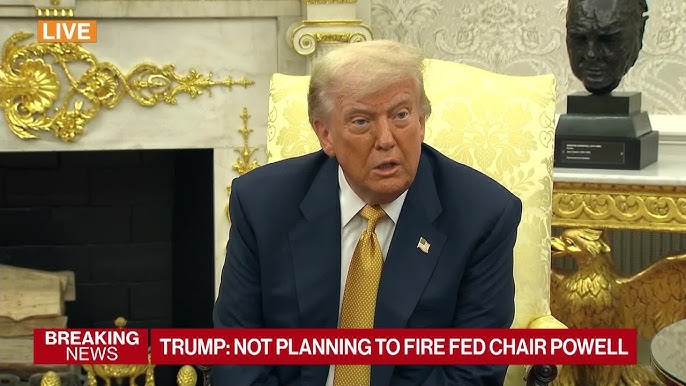
The debate over President Trump’s remarks concerning Federal Reserve Chair Jerome Powell has reignited long-standing questions about the balance of executive power and the legal limits imposed on presidential authority. In a twist and turn that has surprised some and reassured others, Trump’s recent statements both hinted at a potential removal and, moments later, downplayed such a move as “highly unlikely” unless evidence of fraud emerges. This editorial will dig into the situation from multiple angles, examine the legal framework that governs these actions, and assess the potential political and financial consequences of any drastic steps.

In recent meetings with federal lawmakers, details emerged that fueled speculation in political circles and across the media. On one side, a senior White House official and reports from respected sources suggested that Trump had expressed openness, even willingness, to take action against Powell after gauging support among House Republicans. On the other, Trump immediately downplayed this possibility, stressing that while he did not rule out the option entirely, dismissing Powell was not on his active agenda unless a sufficient cause—such as possible fraud related to significant projects—is proven.


Understanding the Legal and Constitutional Boundaries

The conversation surrounding the potential firing of a central banker is not only a political hot potato but also a legal minefield. Traditionally, the Federal Reserve Chair has been appointed for a term that insulates the office from abrupt and politically motivated removals. Indeed, no previous president has ever attempted to remove the country’s top central banker without triggering a significant legal challenge.

Legal experts insist that the president’s authority in this arena is heavily circumscribed by laws established over decades. The Supreme Court’s recent decision reaffirmed that the president is not allowed to remove Fed officials at will, ensuring that any such action is constrained by statutory protections. The discussion, accordingly, extends beyond mere political theater—it raises essential questions about the boundaries of executive power in a system built to withstand shifting political winds.


Comparing Historical Precedents and Constitutional Safeguards

One of the key issues is the contrast between bypassing established legal procedures and the reliance on constitutional safeguards developed to handle complicated pieces of governance. While political pressures and public statements may suggest an imminent showdown, historical precedent underscores that the legal structures in place are designed to get around ephemeral political trends.

Below is a summary of the key legal and historical points in table format:

Aspect Historical Practice Legal Constraint
Presidential Removal of Federal Officers Rarely attempted, with considerable caution Protected by statutes and backed by Supreme Court rulings
Federal Reserve Independence Maintained over several administrations Legally insulated to prevent politicization of monetary policy
Criteria for Dismissal Historically minimal interference Requires clear evidence of wrongdoing (such as fraud)

Political Ramifications and the Messaging Game

Even as legal experts and constitutional scholars maintain that any effort to fire Powell may run into serious court battles, political strategists keep a keen eye on the messaging delivery from both sides. Trump's contradictory remarks—initially suggesting that he might soon follow through with the removal, only to later label such action as “highly unlikely”—create a confusing environment for political analysts and voters alike.

This mixture of statements illustrates the difficult balance of trying to mobilize a political base while ensuring that actions taken remain within legal limits. The public discourse is full of subtle details and small distinctions that, when not clearly communicated, can lead to misinterpretations among supporters and detractors alike.


Key Talking Points for Politicians and Analysts

  • Balancing Act: Politicians must weigh the need for a strong stance against potential legal repercussions.
  • Messaging Consistency: Consistent communication is critical when navigating tricky parts of political debate on executive authority.
  • Influence on Markets: Financial markets are very sensitive to remarks that might indicate instability at a crucial institution like the Federal Reserve.
  • Legal Consultations: Advisors and legal experts stress on looking into the fine points of statutory and constitutional limitations before any drastic action is taken.

Market Reactions and Economic Implications

The potential firing of Federal Reserve Chair Powell goes beyond political theater—it has a reverberating effect on financial markets. Initial reports of Trump’s intent to dismiss Powell sent shockwaves across trading floors, leading to a temporary dip in market values until clarifications were issued. Investors, regulators, and financial advisors are particularly concerned about the possibility of changes in monetary policy, which could introduce nerve-racking volatility into an already unpredictable market landscape.

Critics of Federal Reserve policies, including some prominent Republicans and even dissenting Fed officials, have long argued that Powell's approach may be too conservative in addressing economic challenges. However, defenders claim that Powell’s commitment to an independent and insulated policy framework is crucial for preserving long-term economic stability in a constantly shifting global economy.


Market Reaction Timeline: A Closer Look

The sequence of market responses following the initial reports can be broken down into several phases:

  • Initial Shock: A sudden downturn when the rumor of Powell’s imminent dismissal surfaced.
  • Clarification and Recovery: Markets recovered as Trump clarified his stance and downplayed the likelihood of firing Powell unless fraud is demonstrated.
  • Ongoing Volatility: Uncertainty remains, and investors are watching closely for further indications of policy change or hints at executive interference in central banking.

This timeline reinforces the delicate interplay between political declarations and market responses, where even offhand remarks can trigger a chain reaction of cautious trading and repositioning by investors.


Interpreting the Executive’s Dual Message

One of the most intriguing aspects of this saga is the president’s dual messaging. On one occasion, during an Oval Office meeting with House Republicans, it appeared that Trump was prepared to take action against Powell. After gauging the approval of key members, he even went so far as to hint at a swift resignation, should certain conditions be met. Yet, in subsequent interviews and official statements, he portrayed the dismissal of Powell as a remote possibility.

This contradictory communication raises several questions. Is the president testing the waters to see what his allies might support? Or is this a deliberate strategy aimed at signaling a tough stance on fiscal policy while ensuring that a full-fledged legal battle is avoided? The answer may lie in analyzing both the immediate political context and the broader historical underpinnings of central bank independence.


Dissecting the Messaging Strategy

The dual nature of Trump’s comments can be thought of in the following ways:

  • Testing Political Support: By initially mentioning the possibility of dismissal, Trump may be trying to rally certain factions within his party who are dissatisfied with current economic policies.
  • Legal Safe Guarding: The subsequent softened stance indicates awareness of the limits imposed by law. Any overt attempt to dismiss Powell without legal backing could result in extended court battles and political fallout.
  • Market Manipulation: Recognizing the potential impact on financial markets, the president may have leveraged this dual messaging to influence market perceptions—however fleetingly.

This messaging strategy, intentional or not, leaves room for multiple interpretations and invites viewers and analysts to dig into the fine points of not only political tactics but also the underlying legal parameters at play.


Executive Authority Versus Statutory Protections

At the heart of the ensuing debate is the perennial conflict between the scope of presidential authority and the statutory protections that shield certain key positions from arbitrary removals. Federal Reserve Chair Powell’s tenure is symbolically enshrined as one of financial independence—a quality that is crucial for the stability of monetary policy in turbulent times.

Legal scholars and constitutional lawyers emphasize that once a nominee is confirmed by the Senate, the framework that supports independent monetary management should ensure that political interference is minimized. Removing Powell solely based on political calculations would not only be legally questionable but also politically divisive, potentially undermining investor confidence and destabilizing market dynamics.


Balancing Executive Influence and Independent Governance

The balance between executive influence and institutional independence can be broken down into several key areas:

  • Appointment Versus Dismissal: While the president holds the power to nominate individuals for these crucial positions, the authority to remove them is limited by legal constraints and requires clear justification.
  • Need for Transparent Criteria: Any attempt to dismiss a central banker must be accompanied by a transparent review process—one that can withstand judicial scrutiny and public debate. This helps safeguard the integrity of the institution.
  • Long-Term Impact on Policy: The perception of a politically driven central bank could lead to uncertainties about future monetary policy, impacting everything from interest rate decisions to international financial relations.

An illustrative table below captures the key differences between appointment and dismissal processes:

Aspect Appointment Process Dismissal Process
Authority Executive nomination followed by Senate confirmation Heavily limited, requiring statutory justification
Legal Framework Guided by constitutional and legislative norms Subject to strict legal scrutiny and judicial review
Political Considerations Often influenced by policy alignment with the current agenda Must balance political motives with institutional stability

Assessing the Financial and Economic Consequences

Beyond the legal and political discourse, the uncertainty around Powell’s future has real implications for the economy. Investors, economists, and market analysts are acutely aware that central bank leadership plays a key role in shaping financial markets, influencing interest rates, and guiding monetary policy. Any perceived threat to the independence of the Federal Reserve could cause significant market jitters, especially during an already challenging economic period.

Market participants must now figure a path through a tangle of confusing bits in policy signals. The president’s suggestions of firing Powell—if taken seriously—could spur a chain reaction: shifts in interest rates, changes in borrowing costs, and even a reevaluation of the Fed’s role in economic recovery.


Potential Economic Impacts at a Glance

Some of the likely economic scenarios resulting from these developments include:

  • Interest Rate Volatility: Uncertainty about central bank leadership might prompt sudden adjustments in interest rate expectations, both domestically and globally.
  • Investor Caution: Investors may become more cautious, adjusting their portfolios to mitigate risks associated with unexpected shifts in monetary policy.
  • Market Sentiment: Conflicting messages in the political arena have the potential to alter market sentiment, creating temporary downturns or rebounds as speculation continues.
  • Policy Repercussions: Any attempt at executive overreach could force the government to rethink the session’s balance between ensuring fiscal stability and maintaining institutional independence.

Reflections on the Future of Central Bank Independence

This saga also prompts a broader reflection on the future of central bank independence as an institution. As governments face growing pressure to exhibit proactive control over monetary policy, the risk of political intervention increases. The current scenario underscores a critical point: despite the president's public statements, the legal and constitutional framework is designed to ensure that financial institutions remain insulated from short-term political shifts.

In an era marked by nerve-racking geopolitical changes and an ever-evolving economic landscape, maintaining trust in institutions such as the Federal Reserve is more essential than ever. The long-term success of monetary policy hinges on an environment where decisions are made based not on fleeting political calculations but on strategic, measured analysis.


Why Independence Matters

The independence of the Federal Reserve impacts a wide range of stakeholders:

  • Investors: Rely on predictable and well-grounded monetary policy frameworks to make long-term decisions.
  • Global Markets: International investors and foreign governments expect stability from U.S. financial institutions to maintain confidence in global trade and finance.
  • Economic Growth: Stable monetary policy is critical for sustainable economic growth and for preventing runaway inflation or deflation.
  • Public Trust: Independence helps build public trust by ensuring that economic decisions are insulated from partisan pressures.

Looking Ahead: The Road to Clarity and Stability

With the debate unfolding in real time, one thing remains clear: the delicate balance between political strategy and legal constraints is at the forefront of this controversy. As the administration continues to process internal debates, lawmakers on all sides are poised to watch for further signals on the president’s next steps. What many agree on is that any movement on this front will be accompanied by intense scrutiny, both in the media and in the halls of Congress.

For now, President Trump’s mixed messages serve as a reminder of the challenges involved in balancing the practical demands of political maneuvering with the need to adhere to the established legal framework. Whether it be in discussions, interviews, or policy planning sessions, the remarks call on all involved to figure a path through the tangled issues of executive power and central bank independence.


Key Considerations for Future Policy Decisions

Looking forward, policymakers need to keep several points in mind as they adjust to the shifting political landscape:

  • Adherence to the Rule of Law: Ensuring that any significant policy change is grounded in a clear legal framework is critical.
  • Transparent Communication: Maintaining open channels of communication with both lawmakers and the public can help ease some of the overwhelming uncertainty associated with the current debate.
  • Collaborative Decision Making: Engaging in thorough consultations with economic advisors, legal experts, and other stakeholders can help avoid missteps in future policy decisions.
  • Long-Term Policy Stability: Emphasizing policies that are designed for longevity rather than short-term gains will be essential in protecting both domestic and international confidence in financial markets.

Conclusion: A Moment to Reflect on Institutional Integrity

The recent statements by President Trump regarding the possible firing of Federal Reserve Chair Jerome Powell offer a window into the multifaceted nature of American governance. They expose the intricate interplay between political strategy, legal boundaries, and the economic implications that ripple across the financial markets. While initial remarks stirred concerns about potential drastic moves, the subsequent clarifications underscore the limitations imposed by the rule of law on even the highest offices in the land.

It is incumbent upon both the administration and Congress to work through these tricky parts by steering through the challenging bits of political rhetoric and ensuring that any future moves uphold the essential principles that have long safeguarded the independence and stability of the Federal Reserve. By taking the wheel of governance with an approach that balances political pressures with legal obligations, policymakers can help sustain investor confidence, promote economic stability, and protect the established norms of American civic life.

In these tense times, this episode serves as a critical reminder of the need to find your way through political maneuvers while respecting the super important legal frameworks that have been constructed to shield key institutions from undue influence. As we collectively observe these unfolding events, it is vital to keep a keen eye on both the legal fine points and the small distinctions in language that, together, shape our national policies and the enduring trust in our financial institutions.


Final Thoughts

To summarize, the controversy surrounding President Trump’s remarks about firing Fed Chair Powell is emblematic of the broader dialogue about executive reach versus institutional separation. While political rhetoric may occasionally appear loaded with tension and ambiguous signals, the legal system remains a steadfast guardian of processes that have been refined over decades. In this delicate balance, ensuring that decisions are made based on transparent legal criteria, and not merely partisan considerations, remains a must-have for the continued success and stability of the nation’s economic policies.

As this debate continues to unfold, and as political actors dig into the fine shades of language and legal precedent, it is essential for commentators, policymakers, and citizens alike to stay informed, ask critical questions, and encourage practices that further solidify the independence of essential institutions. Only by doing so can we work toward managing our way through the intricate twists and turns of modern governance while preserving the integrity that underpins both our financial markets and democratic traditions.

Originally Post From https://www.cnbc.com/2025/07/16/trump-powell-fed-fire.html

Read more about this topic at
Trump denies that he plans to fire Powell: 'Highly unlikely'
Trump lashes out at supporters over Jeffrey Epstein files ...

Share:

Tuesday, July 15, 2025

Milwaukee Man Admits to Concealed Pistol Charge Near Republican National Convention

Analyzing the Legal Implications of a Concealed Weapon Case Near a Major Political Event

The recent guilty plea by a Milwaukee man charged with carrying a concealed pistol—allegedly within the security perimeter of the Republican National Convention—has stirred up many opinions about legal boundaries, accountability, and the need for secure public environments. In this editorial, we aim to take a closer look at the case, explore federal regulations, and examine how events like these can influence public perceptions of safety and constitutional rights.

Examining the Incident and Its Context

The case in question involves Donnell Tinsley, a 22-year-old who was apprehended by federal agents while walking near the convention’s security zone during the event’s opening day. Dressed in black trousers and a ski mask, and carrying a black tactical backpack described in court documents, Tinsley’s actions inevitably raised immediate red flags. Inside the backpack, agents later discovered an AK-47–style pistol. Though the circumstances surrounding his intent remain the subject of ongoing public debate, Tinsley ultimately pleaded guilty to a misdemeanor count of carrying a concealed weapon.

This incident is not isolated; it comes on the heels of other high-profile occurrences that test public safety protocols. Just days before, the nation witnessed another shocking moment when an individual allegedly attempted to assassinate a prominent political figure during a campaigning event. While the details differ, such episodes prompt us to ask how legal authorities and security measures can work together to prevent further occurrences that threaten democratic processes.

Understanding Federal Concealed Carry Laws and Public Safety Issues

There is much to unpack when considering the fine points of federal gun laws in politically charged environments. Federal law provides certain protections under the Second Amendment, yet carries multiple twists and turns, especially when it comes to ensuring public safety during large-scale political gatherings. The legal framework governing concealed carry is full of tricky parts, tangled issues, and a number of confusing bits that often lead to contentious debates among legal experts, politicians, and the general public.

Key Aspects of Concealed Weapon Regulations

A brief overview of federal regulations regarding concealed weapons highlights several key considerations:

  • Strict Security Perimeters: Event organizers and law enforcement agencies often establish clearly defined security boundaries, which are meant to minimize risks. When these boundaries are crossed with weapons in hand, it raises questions about intent, potential harm, and the reliability of background security protocols.
  • Misdemeanor vs. Felony Charges: The distinction between a misdemeanor and a felony is critical. In this instance, Tinsley faced misdemeanor charges—a decision that some believe reflects the particular circumstances or perhaps his age and possible lack of criminal history.
  • Role of Federal Oversight: Federal agents and law enforcement are responsible for overseeing the safety of national events. Their role often requires them to figure a path through labyrinthine legal procedures to ensure timely intervention while respecting constitutional rights.

These issues continue to demand careful examination from legal professionals, who are often called upon to explain how the law balances individual rights with collective security.

The Impact of Public Sentiment and Political Atmosphere

One cannot discuss this case without acknowledging the broader political atmosphere. Political conventions, such as the one in Milwaukee, attract large crowds, heightened media scrutiny, and a mix of supporters with conflicting ideologies. Incidents like these have the potential to exacerbate existing tensions and, in some cases, contribute to political divisions that are already on edge.

For many, incidents involving weapons near political gatherings are not only nerve-racking but also off-putting. They force the nation to confront delicate questions: How can the rights enshrined in the Constitution coexist with evolving realities that sometimes feel charged with danger? And what steps should be taken to ensure that even the subtle parts of our legal system can protect both public safety and individual liberties?

Security Protocols and Their Evolving Nature in Political Settings

The intricacies of security management during political events are both challenging and full of hidden complexities. Event planners and law enforcement officials are tasked with working through a series of layered questions, including how to detect potential threats before they escalate to dangerous levels. In many ways, this case indirectly raises the issue of how current security measures might need to adapt.

Current Security Measures at Political Conventions

Most major political events today employ security measures that include:

  • Comprehensive screening processes, such as metal detectors and bag inspections.
  • Collaborations between local and federal law enforcement to guarantee that safety protocols are upheld.
  • Real-time surveillance and intelligence gathering to identify potential threats as early as possible.

Yet even as these measures are put in place, the occurrence of incidents like Tinsley’s case suggests that there remain gaps in the system—gaps that are often complicated by the unpredictable nature of human behavior. This begs the question: Should security agencies dig into improving training programs or perhaps invest in more advanced technology to get around these tangled issues?

Legal Perspectives on Self-Defense, Intent, and Public Rights

At the heart of any legal discussion regarding concealed weapons is the balance between the right to self-defense and the collective right to public safety. This subject is full of challenging twists and turns, especially when the legal system is tasked with interpreting actions that can either be seen as a lawful exercise of constitutional rights or as actions that endanger community well-being.

Insights into Self-Defense Laws and Public Protection

Many legal experts argue that while self-defense is a fundamental right, the context in which it is used makes all the difference. Some key points include:

  • The Context of the Event: In environments as charged as political conventions, the presence of any weapon—regardless of intent—can trigger significant public alarm. This makes the enforcement of strict rules an essential yet nerve-racking proposition for law enforcement.
  • Proportionality of Response: Legal standards call for a response that is proportional to the threat posed. For instance, while the concealed carry of a weapon near a public event is certainly serious, legal authorities must often decide whether imposing a misdemeanor is enough or if more severe charges are warranted.
  • Intent and Circumstances: When counseling on cases involving concealed weapons, it is imperative for judges and juries alike to consider the person’s intent. Was the weapon meant for self-defense, or did it signal a more ominous purpose? Such fine shades have led to debates that can be full of problems when a case goes to trial.

The Role of the Judiciary in Setting Legal Precedents

Judges play an essential role in interpreting and enforcing laws. In cases such as this one, the decisions made by the courts send out significant signals regarding what is acceptable behavior in high-security settings. The sentence handed down—in this case, 26 days with time served—demonstrates a measure that is intended to serve both as a deterrent and as a reminder of the system’s capacity to handle even nerve-wracking incidents.

How Past Rulings Inform Current Debate

Historically, judges have faced various unusual cases related to concealed carry. Their rulings have often reflected the delicate balance between protecting constitutional rights and ensuring community safety. Some of the considerations include:

  • Comparison with Similar Cases: Courts often reference previous rulings when determining appropriate punishments. These comparisons can also highlight subtle details in legal proceedings that might otherwise be overlooked.
  • Deterrence as a Legal Strategy: By assigning sentences that are seen as fair yet firm, the judiciary hopes to discourage others from taking similar risks. In politically charged circumstances, even a misdemeanor conviction can act as a strong signal to the public and potential offenders alike.
  • Public Perception and Confidence in the Law: Every legal decision contributes to shaping public confidence in the judicial system. When the public sees that even minor infractions are taken seriously, it helps in building trust—even when the legal system is sometimes full of unpredictable turns and small distinctions.

Broader Implications for Gun Policy and Political Expression

This case not only underscores the delicate balance between militancy and constitutional rights, it also draws attention to broader debates surrounding gun policy in America. With political traditions and individual freedoms often colliding, the legal framework becomes charged with the task of protecting both.

The Debate Over Gun Control in Public Spaces

Gun control remains one of the most emotionally charged and highly debated topics in American legal and political discourse. Some of the issues that tend to arise include:

  • Safety at Mass Gatherings: Many voices in the legal field argue that ensuring absolute safety in crowded spaces is a super important objective, especially during politically sensitive events. Even if some people see concealed carry as a fundamental right, its misuse in such venues can be downright intimidating.
  • Interpreting the Second Amendment: The interpretation of this amendment varies widely among legal scholars. While some view the right to bear arms as non-negotiable, others insist that regulations should be updated to lean into the modern context, where public danger might be on edge at any moment.
  • Balancing Rights with Responsibilities: Ultimately, the conversation centers on how individuals who exercise their constitutional rights can also fulfill the responsibility of not endangering others. It is a challenge that is both overwhelming and deeply essential to the ongoing dialogue as America continues to evolve.

A table summarizing the key points in the gun policy debate can help clarify the conversation:

Issue Arguments for More Regulation Arguments for Less Regulation
Safety at Public Events Preventing weapons near large gatherings can reduce risks and ease public fears. Armed citizens can potentially defend themselves if threats arise.
Interpretation of the Second Amendment The amendment should be revisited in light of modern challenges and public safety concerns. The original intent must be respected and maintained to uphold constitutional freedoms.
Legal Consequences Stricter penalties send a clear message that any breach of public security will not be tolerated. Severe punishments might infringe upon personal rights and discourage lawful self-defense.

Balancing Personal Freedom with Collective Security: A Delicate Equation

The fine points of balancing personal freedom with the safety and well-being of the community are an ongoing debate among legal experts. On one hand, the right to bear arms is seen by many as a critical component of American identity. On the other, the presence of a firearm in a sensitive, politically charged setting is a nerve-racking notion for many citizens.

This balancing act is made even more complicated by subtle details that influence public perception. For example, the fact that Tinsley was apprehended while dressed in attire that could be seen as deliberately inconspicuous (dark clothing and a ski mask) only added to the tension surrounding the case. Critics argue that such details should motivate lawmakers to take a closer look at how concealed carry permits and regulations are administered.

Perspectives from Legal Experts and Community Leaders

Many voices in the legal community have weighed in on the matter. A few recurring themes have emerged:

  • Enhanced Screening Procedures: Several legal scholars suggest that refining public screening procedures at major events can help weed out potential threats. Whether through improved technology or additional training for law enforcement, there is broad consensus that some improvements could be both necessary and beneficial.
  • Community Dialogue and Transparency: Promoting open discussions among community leaders, law enforcement, and legal professionals is a small yet essential step in addressing the subtle parts of the issue. Transparency in how cases like Tinsley’s are handled can help rebuild trust, even when the overall atmosphere is charged with tension.
  • Constitutional Safeguards: Many experts emphasize maintaining a careful and respectful tone when referencing constitutional rights. They caution that any regulatory revisions must be thoroughly considered so as not to undermine the key freedoms that are so dearly held.

Learning from Precedent: Historical Cases That Shaped Gun Laws

When evaluating the present state of concealed carry enforcement, it is useful to dig into historical cases that have set legal precedents. Over the decades, numerous decisions have helped build the current legal landscape, each offering insights into how the system responds to dangerous situations.

Case Studies in Concealed Weapon Prosecutions

Some of the past cases that continue to influence legal thought include:

  • The Role of Time Served: In some instances, like the Tinsley case, courts have opted for sentences completed through time served while still sending a message of accountability. This approach highlights attempts by the judiciary to balance retribution with rehabilitation.
  • Comparison Across Jurisdictions: Different regions often adopt slightly varied approaches toward gun-related offenses. By comparing how various jurisdictions handle comparable cases, legal professionals can identify subtle differences and draw lessons on the overall effectiveness of different strategies.
  • The Unintended Consequences of Overly Strict Laws: Some critics warn that when gun laws stray too strictly from constitutional principles, they might inadvertently discourage law-abiding citizens from exercising their rights. This observation underscores the need for balanced policies that acknowledge both security and freedom.

A brief timeline illustrating some of the major legal milestones in this area underscores the ongoing evolution of these regulations:

Year Milestone Notable Outcome
Early 20th Century Initial establishment of basic firearm regulations Lay the groundwork for modern interpretations of the Second Amendment
1968 Gun Control Act of 1968 Introduced federal firearm licensing and background checks
1993 Congressional hearings on concealed carry and public safety Set the stage for ongoing debates on balancing rights and safety
Present Recent high-profile cases and evolving security measures A renewed push for detailed legislative reviews

Modern Interpretations and Future Directions in Gun Legislation

Legislators and public policy experts are now working through the many complicated pieces of modern gun legislation. Each incident, such as the one involving Tinsley, contributes to a larger body of decisions and opinions that will influence future laws. As society evolves, so too must the legal landscape in ways that both respect individual rights and embrace the need for collective safety.

Strategies for Future Policy Refinements

As policymakers consider next steps, several strategies have been proposed, including:

  • Enhanced Background Checks: Ensuring that every individual applying for a concealed carry permit undergoes a rigorous background check system is seen as a key factor in preventing dangerous situations.
  • Stricter Enforcement at Public Venues: Policies that tighten the security measures around large events, including political conventions, can help minimize risks. This might include better training for security personnel and more advanced scanning technology.
  • Community Outreach and Education: Educating the public on both the legal rights and responsibilities of gun ownership can help ease the tension. Informative sessions on how concealed carry laws are enacted and enforced allow community members to find their way through a maze of confusing bits in legal regulation.
  • Continuous Legislative Reviews: Given the rapid evolution of technology and societal needs, careful and ongoing reviews of existing laws can provide the chance to tweak and update policies as necessary without triggering overwhelming controversy.

Comparative Perspectives: How Other Nations Approach Similar Challenges

Looking beyond our borders, it is instructive to poke around how other democracies deal with the challenges involved in managing guns and public safety at large political or public gatherings. While the American experience is unique in many respects, other countries offer examples of working through both hidden complexities and painful lessons learned over decades.

International Examples and Lessons Learned

A few comparative perspectives include:

  • European Approaches: Many European nations have strict criteria for gun ownership and use, with a strong emphasis on public safety. These approaches often include intensive training for permit holders and ongoing requirements for renewal. Although these measures might seem intimidating to some American gun owners, they provide a framework that minimizes risks at public events.
  • East Asian Models: In countries such as Japan, the control on firearms is proverbial. The extreme measures taken to ensure that only very few can ever get access to a weapon have contributed greatly to low incidence rates of gun-related violence. However, these models rely on a cultural consensus that differs significantly from American traditions.
  • Lessons for U.S. Policy: In adopting certain ideas from other nations, the U.S. could potentially rethink how it manages public safety without feeling that it is sacrificing the key freedoms that are a cornerstone of its national identity.

Table 2 below summarizes some of the distinctions between different national approaches:

Region Permit Requirements Security Measures at Public Events Enforcement Rigidity
North America (U.S.) Varies widely by state; often involves background checks and training Generally high at major events, yet inconsistent overall Moderate to strict, depending on local laws
Europe Uniformly strict with mandatory training and regular re-certification High security with comprehensive screening techniques Strict enforcement with less tolerance for deviation
East Asia Very few private permits issued Minimal public display of private firearms; strong state control Extremely strict with severe penalties for unauthorized possession

The Political Debate: Finding Balance in a Divided Society

In the aftermath of incidents like the one in Milwaukee, political leaders find themselves sorting out how best to address the public’s fears while not undermining the rights that many hold dear. The debate is characterized by several small distinctions and subtle details that continue to divide communities on both sides of the issue.

Many politicians are walking a tightrope, trying to find a path between calls for tougher restrictions and appeals to defend constitutional freedoms. Sometimes, the rhetoric is full of problems and overlapping claims that further complicate an already tangled issue.

Elements of the Political Debate

Here are some of the elements that repeatedly surface in discussions among leaders and community advocates:

  • Constitutional Rights vs. Public Safety: How can we protect what is enshrined in our Constitution while ensuring that public events remain safe and secure? This question is at the heart of debates across legislative bodies.
  • Impact on Political Expression: For many, attending a political convention is as much an exercise in civic engagement as it is a celebration of democratic processes. The presence of weapons, even when legally carried, can send a nerve-racking signal that overshadows the intended safe environment.
  • Practical Enforcement Issues: Law enforcement agencies are often left to figure a path through a series of complicated pieces when it comes to interdiction and prevention. The need to differentiate between genuine threats and lawful participation in self-defense frequently leads to controversial outcomes.

The Role of Media in Shaping Public Perception

Media coverage can often magnify the tensions present in legal cases by focusing on the most extreme aspects. In this case, the imagery of a masked individual near a national security venue was enough to inflame debates across news outlets and social media platforms alike.

How Media Coverage Influences Legal Discourse

Key ways in which media reporting has an impact include:

  • Sensationalism vs. Balanced Reporting: While some reports might be sensational and full of dramatic language, responsible journalism attempts to manage your way through the factual complexities without bias. This choice significantly influences how the public perceives both the accused and the security measures in place.
  • Public Opinion and Fear: The media’s focus on provocative details—such as the individual’s attire and the timing of the incident—can shape widespread opinions. This might result in increased pressure on lawmakers to modify regulations, even if the underlying legal issues are filled with subtle details and fine shades that require deeper analysis.
  • Context and Historical Comparisons: Some outlets make an effort to provide comprehensive context by comparing the case with historical precedents. Such comparisons are critical for encouraging a measured discussion rather than a reactive one.

Challenges in Interpreting the Legal Landscape

The ongoing discussion surrounding concealed carry near major events is a vivid reminder of how legal debates are often full of tricky parts and tangled issues. People who dig into these subjects are met with layers of fine points that require careful thought and measured responses.

This case illustrates the challenge of interpreting laws that must apply consistently in an unpredictable real world. Legal professionals, law enforcement, and lawmakers alike are forced to work through a maze of overlapping concerns, such as individual rights, public safety, and the unpredictability of human behavior.

Dissecting the Hidden Complexities

When attempting to understand such matters, it is useful to break them down into more digestible components:

  • Intent vs. Circumstance: A central question in any concealed carry case is whether the individual intended to cause harm or was merely exercising a right, albeit in a manner that posed risks.
  • The Role of Appearance: The manner in which an individual presents themselves—such as wearing a ski mask—can carry significant weight in legal interpretation, even though it might seem like a minor, even if intimidating, detail.
  • Security Zone Violations: The strict rules about crossing predefined boundaries are in place for a reason. Yet, in interpreting violations, legal authorities are tasked with discerning whether such an act was a deliberate provocation or an innocent, if misguided, misstep.

Reflections on the Broader Debate Over Constitutional Rights

This incident opens the floor for robust debate over how constitutional rights should be interpreted in modern society. While many argue that the right to bear arms remains an essential aspect of personal freedom, others emphasize that public safety must always come first, particularly in a time when political gatherings are charged with emotion and uncertainty.

This intersection has led to several reflective questions that continue to influence public policy:

  • To what extent should personal freedoms be curtailed in the interest of broad public safety?
  • How can the legal system balance the need for individual protection without letting security concerns spiral into unnecessarily intimidating measures?
  • What lessons can be learned from past cases, and how can these lessons help shape a more pragmatic approach to gun legislation?

Looking Ahead: Policy Recommendations and Future Legal Reforms

As discussions continue and legal experts debate the proper way forward, several policy recommendations have emerged that aim to both respect constitutional rights and improve public safety. Here are some approaches policymakers might consider:

  • Review of Security Protocols: Authorities should take a closer look at existing security measures at large events to identify gaps and inefficiencies. This means rethinking protocols that might currently be leaving small yet significant details unaddressed.
  • Enhanced Training for Law Enforcement: Officers charged with overseeing public events might benefit from specialized training designed to figure a path through rapidly changing circumstances. This approach could help address the hidden intricacies of identifying genuine threats without unnecessarily escalating tensions.
  • Public Education Campaigns: Increasing awareness about both the responsibilities that come with concealed carry permits and the measures in place to protect public safety can help reduce public fear. An informed community is better equipped to deal with the nerve-wracking implications of these incidents.
  • Balanced Legislative Reforms: Lawmakers should consider reforms that strike a balance between security and individual rights. Future amendments might include clearer definitions of security zones, enhanced penalties for breaches in high-risk scenarios, and continuously updated standards that reflect modern realities.

A visual summary of key policy areas can be seen in the following table:

Policy Area Suggested Reforms Potential Benefits
Security Protocols Enhanced screening, updated definitions of security zones Increased public safety and reduced risk of breaches
Law Enforcement Training Specialized training for dynamic threat assessment More effective handling of unpredictable incidents
Public Education Informative campaigns about rights and responsibilities Greater understanding and reduced public fear
Legislative Reforms Balanced laws that clearly define permissible conduct Improved judicial consistency and public confidence

Drawing a Conclusion: Striking a Delicate Balance in Uncertain Times

The incident involving the Milwaukee man charged with carrying a concealed weapon near a major political convention provides a fertile ground for debate. It raises questions that are loaded with issues about individual rights, public safety, and the hidden complexities of modern law enforcement in politically charged contexts. While the legal system did deliver a verdict in this case, the broader implications urge both citizens and policymakers to work through the tense, sometimes overwhelming challenges that define our modern era.

It is now incumbent upon lawmakers, security experts, and community leaders to figure a path that respects the constitutional freedoms cherished by many, while simultaneously working to protect the public from the risks associated with poorly regulated environments. The delicate balance between these priorities is full of tricky parts and complicated pieces that require continuous dialogue, reflective analysis, and a willingness to adapt as circumstances evolve.

Final Thoughts: The Path Forward in Legal and Social Discourse

In reviewing the details of this case and its multifaceted implications, we are reminded that every legal decision—especially those that occur in the heat of political events—serves as both a message and a lesson. The sentencing of Tinsley, though seemingly moderate, underscores the judiciary’s responsibility to apply the law in a rational and measured way. Yet, it also calls attention to the fine grain of challenges that remain when balancing personal freedoms and public security.

As society continues to evolve, it is critical that all stakeholders remain engaged in constructive debates. Community leaders, legal experts, and lawmakers must collaboratively work through the nerve-racking twists and turns of modern gun policies and security protocols, ensuring that our legal system stays nimble enough to meet the ever-changing demands of contemporary society.

By actively engaging in open discussions, providing educational outreach, and reviewing legislative frameworks, the country can hope to maintain a safe environment for political expression without compromising the key freedoms that form the bedrock of American democracy. In doing so, efforts can be geared toward minimizing misunderstandings and ensuring that the balance between individual rights and collective safety is maintained—even as the legal landscape continues to evolve along with the times.

Moving forward, it is essential that we keep a steady focus on finding common ground amidst our differences. While this case is just one example within a broader context, it encapsulates the enduring struggle of managing public safety in dynamic environments. Through thoughtful analysis, balanced policy reforms, and a commitment to upholding our constitutional heritage, we can work together to create safer, more secure spaces for everyone—without neglecting the key components of freedom and personal responsibility that have long defined our nation.

Originally Post From https://ktar.com/national-news/milwaukee-man-pleads-guilty-to-carrying-concealed-pistol-near-republican-national-convention/5728220/

Read more about this topic at
The Latest News on Diversity
Diversity, equity and inclusion

Share: