Friday, December 12, 2025

Leaving Child in Car Crime in Arizona

Child Endangerment in a Hot Car: An Arizona Perspective

In the sweltering heat of Arizona, the debate over whether leaving a child alone in a car constitutes criminal behavior is both timely and complex. While Arizona law does not explicitly state that a parked vehicle is off-limits for a brief absence, the potential for harmful consequences makes this issue a subject full of problems for both parents and the legal system. In today’s opinion piece, we get into how the state handles these cases under ARS §13-3623—exploring the legal twists and turns, the realities of harsh penalties, and the approaches a seasoned attorney might take when defending an accused parent.

With temperatures soaring and public awareness rising, parents must be extra cautious. Even if a parent’s intention is not to harm, the confusing bits of the law and the potential misinterpretation by authorities can lead to charges of child abuse and endangerment. This article aims to clarify the key pieces of the law and offer some guidance for those navigating these tricky parts of Arizona’s legal system.

Understanding the Arizona Statute ARS §13-3623

At the heart of the matter is ARS §13-3623, a statute that defines child abuse in a way that may catch many off guard. Instead of having a straightforward rule that clearly prohibits leaving a child unsupervised in a car, the statute focuses on the substantial risk to the child’s health or life. It specifically notes that any act that “creates a substantial risk of imminent death or injury” can be grounds for criminal charges.

This creates a legal landscape loaded with issues, as many parents might assume that a momentary absence during a short errand would not qualify for criminal charges. However, Arizona prosecutors have the discretion to use this law to press charges if they determine that a child is placed in a situation that could foreseeably cause harm—even if no harm ultimately occurs.

Legal Framework Under ARS §13-3623

The law is meant to protect children from dangerous circumstances, a goal that is both essential and super important in a state renowned for its extreme heat. However, it also raises some challenging questions:

  • How much time is too long when leaving a child in a vehicle?
  • What constitutes “substantial risk” when a child is left unattended?
  • Under what conditions does the existence of a responsible adult nearby change the scenario?

It is these little details that often determine whether a case is dismissed or leads to serious consequences, ranging from misdemeanor charges to felony convictions in the event of injury or death. The fine points of this statute require parents and legal practitioners alike to really figure a path through its tangled issues.

How Arizona Interprets “Substantial Risk” in Child Endangerment

In Arizona, the question isn’t solely whether harm occurred, but whether the child was exposed to a real risk of injury or death. If a parent leaves a toddler for what they believe is a quick moment of privacy, and the car’s interior temperature spikes dangerously high, prosecutors can argue that the parent was aware—or should have been aware—of the risks.

This aspect of the law is one of the most nerve-racking to deal with because it focuses on potential harm rather than actual damage. Thus, in cases where no physical injury has been documented, legal battles can still ensue, leaving families in a state of legal limbo.

Dangers of Leaving a Child Unattended in a Vehicle on Arizona’s Hot Days

Arizona’s climate is infamous for its blistering heat, which can rapidly transform a parked car into a death trap for a child. What may seem like a safe environment can become incredibly dangerous in a matter of minutes. Let’s take a closer look at why leaving a child in a hot car is a risk that many people still underestimate.

How Heat Builds Up in a Parked Car

Even on days when the temperature outside seems bearable, the interior of a vehicle can heat up by more than 20 degrees within 10 minutes. This is due to the greenhouse effect—the car’s windows trap heat inside, circulating scorching air that is often several times hotter than the ambient temperature.

For example, on a 100-degree day in Phoenix, the inside of a car can quickly reach temperatures upward of 120 degrees or more. The human body, especially that of a small child who heats up three to five times faster than an adult, cannot cope with such conditions. This rapid escalation in temperature is one of the confusing bits that often catch caregivers off guard, transforming a short absence into a situation loaded with problems.

Common Risks and Hazards

Beyond the obvious risk of heatstroke, there are several other threats when a child is left alone in a car:

  • Accidental vehicle movement: If the car is left in gear or with the engine running, there is a risk of the vehicle moving unexpectedly.
  • Strangulation hazards: Items such as seat belts or power window cords can become dangerous in a confined, unsupervised environment.
  • Exposure to outside dangers: A parked vehicle may catch the attention of individuals with harmful intentions, increasing the risk of abduction or external harm.
  • Suffocation risks: In some instances, limited airflow or blocked vents can contribute to an even more hazardous environment within the car.

These risks illustrate why leaving a child alone in a car is not a trivial matter. The potential for rapid temperature rise coupled with other hazards makes this issue more complicated than it appears on the surface.

Penalties and Legal Consequences for Child Endangerment in Vehicles

The harsh penalties that can result from charges under ARS §13-3623 are designed to act as a deterrent; however, they can also inflict irreversible damage on the lives of parents accused of what may have initially been an honest mistake. Let’s explore the potential legal outcomes and the range of punishments associated with such cases.

Breakdown of Charges and Penalties

Arizona considers cases involving a child left unattended as a series of graded offenses based on the severity of the risk or harm involved. The following table provides an overview of the classifications and potential penalties:

Type of Offense Classification Potential Penalties Relevant Statute
Endangering a child without injury Class 1 Misdemeanor Up to 6 months jail, fines up to $2,500, probation, mandatory parenting classes ARS §13-3623(B)(3)
Substantial risk of imminent death (no injury) Class 6 Felony Up to 18 months in prison, fines up to $150,000, possible Department of Child Safety supervision ARS §13-3623(B)(2)
Child suffers injury due to neglect or heat exposure Class 3 Felony 2.5 to 7 years imprisonment, potential loss of custody, lifetime felony record ARS §13-3623(A)(2)
Child dies as a result of negligence Class 2 Felony 4 to 10 years imprisonment, permanent loss of parental rights ARS §13-3623(A)(1)

This table illustrates the staggering consequences that can follow even a brief lapse in judgment. While some cases may seem like a misunderstanding or an off-hand error, the state treats any risk of harm as a serious matter.

Other Legal and Social Consequences

Beyond formal punitive measures such as jail time and fines, there are additional consequences that parents might face:

  • Permanent mark on one’s legal record: A felony record can have long-term implications on employment, housing, and personal reputation.
  • Intervention by the Department of Child Safety: DCS may step in, leading to investigations or even temporary or permanent removal of the child from a parent’s custody.
  • Social stigma: Convictions in these matters often lead to public ostracism and can irreparably damage family relationships.

These outcomes, combined with the ongoing stress of a legal battle, highlight the nerve-racking situation that even an unintended violation can create. The legal maze can be daunting for any parent, particularly when the charges arise from a momentarily poor decision rather than sustained negligence.

Effective Strategies for Managing Child Endangerment Charges

Given the potential for severe consequences, it is absolutely critical for anyone facing such charges to get legal representation promptly. Many legal professionals advise that early engagement with a skilled attorney can help mitigate the risk of harsh penalties and ensure a fair assessment of the case.

Crucial Defense Strategies

If you are accused of leaving a child alone in a vehicle, several defense strategies might be available. An experienced criminal defense attorney can help identify avenues to minimize or dismiss charges. Here are some strategies that can be instrumental in these cases:

  • Lack of Intent: Demonstrating that the incident was accidental and lacked any harmful intent can be a key point in the defense. Courts often scrutinize whether the parent knowingly placed the child in a risky environment.
  • Short Duration of Absence: Evidence that the child was only briefly unattended might persuade the court that there was no genuine danger. For instance, surveillance footage or witness testimony can sometimes clearly show that the absence was momentary.
  • Emergency Situations: If the parent left the child in order to attend to an urgent and unforeseen situation—such as a medical emergency—this context may be taken into account to reduce culpability.
  • Procedural Errors: If law enforcement failed to follow proper protocols or if evidence was secured in a questionable manner, these missteps can sometimes lead to charges being reduced or dropped outright.

These points underline the necessity of having a lawyer who can really poke around the details of each case, gathering evidence that highlights the lack of malicious intent and the specific circumstances leading to the incident.

Constructing a Strong Defense: The Role of Evidence

A strong defense often hinges on collecting and presenting the right evidence. This includes:

  • Security camera footage showing the duration of the parent’s absence
  • Witness testimony that clarifies the situation
  • Expert evaluations demonstrating the rapid increase in temperature
  • Medical records or expert opinions that assess the risk posed to the child

The little twists in the legal process can sometimes be resolved by leaning on this evidence. For example, if it can be reasonably shown that the child's exposure time was minimal, or that another adult was present to monitor the situation, charges may be significantly mitigated.

What to Do If You Witness a Child Alone in a Car

There are situations when you might find yourself in a position to help rather than face charges yourself. Knowing what action to take when you see a child alone in a vehicle is critical—not just for the wellbeing of the child, but also for ensuring that your actions are legally sound.

Steps to Take in a Child-in-Car Emergency

If you come across what appears to be an unattended child in a hot vehicle, consider the following steps:

  • Dial 911 Immediately: Report the location, provide a description of the vehicle, and relay any observations that indicate the child might be in distress.
  • Assess the Situation: Quickly determine if the car’s doors are unlocked. If it is safe and reasonable, you might be able to open a door or window to allow some fresh air into the vehicle. However, avoid causing damage to the car unless absolutely necessary.
  • Wait for First Responders: Once you’ve called 911, stay on the scene to provide further information to the responding officers.
  • Document the Incident: If possible, take note of the time, location, and any other details that might be useful later for legal or investigative purposes.

Above all, remember that while your impulse to help can be admirable, it is important to avoid actions that might inadvertently lead to legal complications for you. Arizona law does not provide blanket protections under the Good Samaritan principle for breaking into a vehicle, so caution is essential.

Recommended Response Guidelines for Bystanders

For clarity, here is a bulleted list summarizing the recommended response if you see a child left alone in a car:

  • Call 911 without delay.
  • Provide a clear and detailed description of the vehicle and its location.
  • Observe from a safe distance without interfering unnecessarily.
  • If safe and without causing damage, try to improve air circulation without forcing entry.
  • Remain at the scene until authorities arrive to share any useful details.

This approach not only aids in potentially rescuing the child but also shields you from becoming entangled in legal issues later on.

Practical Guidance for Arizona Parents to Avoid Legal Pitfalls

For many parents in Arizona, the thought of facing criminal charges for what seems like a minor lapse in judgment is intimidating. The best off-the-ground strategy is prevention. By taking some smart preventative measures, you can avoid the nerve-racking possibility of legal entanglement entirely.

Everyday Precautions to Protect Your Children

Here are several key points that can help Arizona parents steer through these situations safely:

  • Plan Ahead: If you anticipate needing to run a quick errand, plan for a designated caregiver who can accompany your child. This is one of the simplest ways to reduce any risk of leaving them unsupervised.
  • Use Technology: Modern vehicles and smartphone applications offer ways to monitor your car remotely. Some vehicles have systems that alert you if the interior temperature climbs too high.
  • Create a Safety Routine: Establish a routine for running quick errands that minimizes the time your child is out of your sight. Even a few extra seconds of careful planning can make a huge difference.
  • Educate Yourself: Stay informed about local laws, the common risks associated with unattended children in cars, and recent cases in your area. Knowledge is key when it comes to the fine shades of what activities might expose you to legal liability.

These practical steps not only help protect your child from physical harm but also serve as a safeguard against the tangled issues that may arise should an incident be misinterpreted as child neglect.

Community Education and Advocacy

Beyond personal precautions, there is a growing discussion in many communities about the need to educate the public on these matters. Local parent groups and community organizations can play a vital role in raising awareness about the risks of leaving children unattended in vehicles, particularly during the extreme heat of an Arizona summer.

Advocacy efforts might include:

  • Hosting community seminars on child safety in vehicles
  • Distributing educational materials that explain the law in simple terms
  • Partnering with local law enforcement to develop protocols that both protect children and provide clear guidance to parents

Such initiatives are intended to ensure that parents are not left trying to figure a path through an intimidating maze of legal details when a preventable mistake occurs.

How a Phoenix Criminal Defense Attorney Can Help Protect Your Future

In the unfortunate event that charges are pressed against you, the importance of securing professional legal counsel cannot be overstated. Navigating these legal waters without expert guidance can lead to a situation that is both overwhelming and full of problems.

Targeted Legal Support and Strategy

When facing child endangerment charges related to leaving a child unattended in a vehicle, a seasoned criminal defense attorney will work with you to:

  • Assess the full details of your case to identify any missteps by law enforcement or prosecutorial errors
  • Gather and examine evidence, including surveillance footage and witness statements, that can support your defense
  • Present a compelling case to argue that the short duration or emergency nature of the incident did not reflect malicious intent
  • Negotiate with prosecutors to potentially reduce charges or, in optimal cases, have charges dismissed altogether

This targeted approach is designed to ensure that a single lapse in judgment does not become a permanent blot on your personal record or compromise your family’s future. In many cases, defense attorneys with experience in these matters have been able to expose procedural mistakes and argue convincingly that the risk was minimal or unintentional.

Real-World Success Stories and Lessons Learned

Many parents who found themselves at the mercy of the legal system have now spoken out about their experiences. Some of the common themes include:

  • Surprise at the severity of the charges despite no lasting harm to the child
  • Appreciation for how attentive legal counsel helped steer them through a nerve-racking process
  • The realization that even a brief absence can be mischaracterized if not properly defended

These stories act as cautionary tales, emphasizing the critical importance of due diligence and preventive measures in situations that could quickly spiral out of control.

The Broader Implications: A Call for Clearer Guidelines

As the debate continues, it is clear that Arizona’s legal system faces a challenging dilemma. On the one hand, there is a pressing need to protect children from the very real dangers of heat and danger in a parked car. On the other, overly harsh consequences can appear intimidating and may penalize parents for isolated, unintentional lapses.

This situation calls for a careful re-examination of the laws, seeking a balance between child safety and fairness towards parents. Lawmakers are urged to consider reforms that provide clearer guidelines, so that the fines and jail sentences truly reflect the intention and the context of each case rather than imposing a one-size-fits-all penalty.

Potential Areas for Legal Reform

Some areas that would benefit from a closer look include:

  • Clarification of “substantial risk”: Redefining what constitutes a significant risk could help avoid charging parents for brief, low-risk absences.
  • Grace periods for minor, accidental lapses: Implementing policies similar to “good faith” exceptions—already common in many other jurisdictions—could offer relief to parents while maintaining child safety.
  • Enhanced public education: Ensuring that parents have ready access to clear, understandable resources about the risks and legal implications of leaving children unattended in cars.

Such reforms would not only improve the fairness of the judicial process but also potentially prevent future tragedies by making the rules more understandable to everyday citizens.

Final Thoughts: Balancing Child Safety and Parental Responsibility

In a state like Arizona, where summer temperatures can soar and create life-threatening conditions almost instantly, the law rightly prioritizes child safety. Yet, the routes and procedures by which it does so are riddled with tension and confusing bits that can leave parents feeling overwhelmed. The key is education and preparedness—both in everyday life and in the legal arena.

For parents, the message is clear: always err on the side of caution. Make sure that even a momentary lapse in supervision is avoided. And if ever faced with the daunting possibility of legal charges, seek prompt and expert advice to help sort out your case.

For lawmakers and community leaders, this is a call to action—to establish clearer guidelines and more balanced approaches that protect children without unduly penalizing well-intentioned parents. By working together, it may be possible to create an environment where child safety is never compromised, and where justice is administered with fairness and understanding.

Key Takeaways for Arizona Families

To summarize the essential points discussed in this opinion piece, consider the following practical takeaways:

  • Understand that Arizona’s ARS §13-3623 can be applied even in cases with no immediate harm, based solely on the risk posed to a child.
  • Recognize that the dangers of leaving a child unattended in a car are real—even if the duration is short—given the unpredictable nature of heat buildup.
  • Take all possible precautions to avoid even brief unsupervised moments, and always consider alternative supervision options.
  • If legal charges arise, secure an experienced attorney who can help dig into the details and work through the legal process with a focus on minimizing long-term repercussions.
  • Advocate for clearer, fairer laws that protect both children and families, ensuring that justice does not become overly punitive in isolated incidents.

Moving Forward With Informed Awareness

The law’s primary goal is to safeguard the welfare of our youngest and most vulnerable citizens. While this imperative is unquestionably important, so too is the need for balanced enforcement that takes human error and unavoidable circumstances into account. As a community, especially in a state known for its punishing heat, striving for this balance is key.

Ultimately, every parent hopes to protect their child from harm. Yet, when economic pressures, busy schedules, and split-second decisions come into play, mistakes can happen. In those moments, having the support of knowledgeable legal professionals—and the reassurance that the system is fair—can make all the difference.

Conclusion

Arizona’s approach to child endangerment cases, particularly those involving the seemingly minor yet potentially dangerous act of leaving a child in a hot car, is one wrapped in legal twists and turns. While the law’s intent is undeniably to keep children safe, its application can sometimes be much more intimidating than expected.

The cascading effects of even a brief absence, from police intervention to possible charges and a lasting legal record, paint a picture of a system that must clearly differentiate between genuine neglect and a momentary lapse in judgment. Parents are encouraged to be proactive, take all necessary safety precautions, and educate themselves on the potential risks. Furthermore, community initiatives aimed at clarifying these legal points and advocating for more guest-friendly policies could lead to a safer, more informed public.

The conversation about what constitutes child endangerment in vehicles is ongoing. As temperatures remain high and the legal landscape continues to evolve, everyone—lawmakers, legal experts, and families alike—must work together to figure a path that both protects our children and upholds justice with fairness and prudence.

By taking proactive steps in planning, seeking education, and consulting with experienced legal professionals when necessary, parents can avoid falling into the traps of these complicated legal issues. At the same time, a re-examination of the laws may be needed to ensure that they serve the intended purpose without imposing irreversible consequences for minor, unintentional lapses.

In the end, fostering an environment of mutual understanding and clear communication between the public and the legal system is the best way forward. With informed awareness and thoughtful legal reforms, Arizona can continue to protect its children while more fairly accommodating the everyday realities faced by parents.

Read more about this topic at https://arjashahlaw.com/criminal-defense/child-alone-in-car-endangerment/

Related articles you might like
North Carolina Child Endangerment Attorneys
Child Endangerment Attorneys in Raleigh - Free Consultation


Share:

Tuesday, December 2, 2025

Arizona Damage vs Vandalism Law Explained

Criminal Damage vs. Vandalism in Arizona: A Closer Look at ARS 13-1602

When most people picture property damage in Arizona, their minds immediately jump to spray-painted walls or broken windows. However, beneath the surface lies a tangled issue that goes well beyond mere graffiti. Arizona’s ARS 13-1602 law covers a wide range of property offenses – from intentional vandalism to reckless acts that inadvertently impair the function, value, or safety of property. In this opinion editorial, I will dig into the legal landscape of criminal damage while examining how it differs from traditional vandalism. My goal is to help readers make sense of this intimidating subject, navigating through its many twists and turns with clarity and neutrality.

In this article, we will explore the following essential topics:

  • What constitutes criminal damage under Arizona law
  • Examples of property offenses covered by ARS 13-1602
  • The penalties and classifications based on damage valuation
  • How criminal damage is distinguished from vandalism
  • Strategies and defenses available in criminal damage cases
  • Ways to find reliable legal help when facing these charges


Understanding ARS 13-1602: The Foundation of Criminal Damage Law

Arizona Revised Statute 13-1602 forms the legal backbone for criminal damage cases in the state. At its core, this law defines criminal damage broadly – meaning, it may be applied to both intentional and reckless acts that result in property impairment. Whether accidental or deliberate, if damage is caused without the property owner’s permission, you might find yourself tangled in legal trouble.

Many people mistakenly assume that criminal damage and vandalism are one and the same. While there is an overlap, they are not synonymous. Criminal damage covers any act that damages, defaces, or tampers with someone else's property, extending into areas that might initially seem unrelated to vandalism. By taking a closer look at ARS 13-1602, it becomes evident that the law is designed to address the nitty-gritty of property damage in a way that suits various circumstances.


Defining Criminal Damage: The Fine Points of ARS 13-1602

Under ARS 13-1602, criminal damage is defined as any reckless or intentional act that defaces, damages, or tampers with property owned by another individual. This includes a broad array of actions – from spray-painting or inscribing unauthorized messages on walls, to tampering with utility lines that can create dangerous conditions. The statute does not demand that the damage be permanent; it is enough if the act interferes with the property’s function or reduces its value.

Below is a summary of what typically falls under the umbrella of criminal damage in Arizona:

  • Recklessly defacing or damaging another’s property
  • Tampering with property in a manner that impairs its function or worth
  • Creating hazardous conditions through interference with utility systems
  • Unauthorized markings, inscriptions, or graffiti on both public and private buildings
  • Actions that restrict access or use, such as improperly parked vehicles blocking necessary routes


Understanding the Tricky Parts: The Role of Recklessness and Intent

One of the confusing bits in criminal damage law is the differentiation between intentional and reckless behavior. A key element of the statute is that the damage must occur without the owner’s permission. Even if an act is accidental, if it is deemed reckless, legal consequences may still follow. The law is less about whether the offender meant to cause lasting harm and more about whether their actions interfered with the property’s use or function without the consent of the rightful owner.

In practice, this means that the fine points of ARS 13-1602 allow prosecutors to bring charges even when there was no clear intent to vandalize or destroy. The focus is on the outcome – the impairment of property value or function – rather than the mindset of the person responsible.


Examples of Criminal Damage Offenses: Digging Into Real-World Scenarios

To fully grasp the full spectrum of criminal damage, it is useful to look at some common examples where the law might come into play. These examples show that criminal damage is not synonymous with simple vandalism but includes a range of property-related issues.

Graffiti and Unauthorized Markings

Perhaps the most common image conjured by the term “vandalism” is that of graffiti. While spray-painting a wall is undoubtedly an act of vandalism, it is also classified as criminal damage under ARS 13-1602 if done without consent. In these cases, the act is both intentional and a clear breach of the property owner’s rights.

Breaking Windows and Damaging Vehicles

Another frequently encountered scenario involves breaking windows or defacing vehicles. Such acts clearly impair the property’s value and function. Whether committed in a fit of anger or as part of a larger group activity, these incidents fall squarely under the criminal damage statute.

Tampering with Utility Infrastructure

One of the more perilous examples, and arguably one of the most nerve-racking for prosecutors, is tampering with utility property. When an individual interferes with power lines, water pipes, or telecommunication systems, the potential for creating an immediate safety hazard is high. These actions are often treated more severely, given the risk they pose not only to property but also to public safety.

Reckless Damage Caused by Vehicles

There are instances where property damage occurs without any clear intent, such as when a driver recklessly crashes into a barrier or fence. Even if the act is not deliberate, the law is designed to catch such instances if the behavior is deemed sufficiently careless. This serves as a reminder that criminal damage charges can be triggered by negligence as much as by intent.


The Penalties: How Damage Valuation Influences Charge Severity

A critical factor in determining how criminal damage is prosecuted in Arizona is the monetary value of the property damage. The law categorizes the offense into several classes, ranging from misdemeanors to serious felonies. These categories are designed to reflect the degree of harm done and the potential danger to public safety.

Classification of Criminal Damage Charges

Arizona’s legal system uses the following classifications based on damage valuation:

Charge Class Damage Valuation Potential Consequences
Class 4 Felony $10,000 or more, or when utility property damage creates a safety hazard Prison time, probation, significant fines, possible long-term criminal record
Class 5 Felony $2,000 – $10,000 Imprisonment, probation, and subsequent legal restrictions
Class 6 Felony $1,000 – $2,000 or if related to criminal street gang activity Incarceration, lengthy probation, fines
Class 1 Misdemeanor $250 – $1,000 Fines, potential jail time, community service
Class 2 Misdemeanor Less than $250 Lower fines and short periods of incarceration or alternative sentencing

This categorization reflects the belief that greater damage or damage to critical infrastructure should be met with stricter penalties in order to deter similar behavior in the future. It also underscores the importance of accurately assessing property damage – a process that often involves expert testimony and detailed evidence.


Criminal Damage Versus Vandalism: Not All Acts Are Created Equal

A common misunderstanding is that all graffiti or property marking is the same as criminal damage. In truth, while every act of vandalism can be classified as criminal damage, not every instance of criminal damage is considered vandalism. The key difference lies in the nature of the act.

  • Intentional Vandalism: These are deliberate actions such as spray-painting, carving, or inscribing messages intended to deface and insult. They are typically the first image that comes to mind when discussing vandalism.
  • Reckless Acts: On the other hand, an act such as accidentally hitting a fence or causing damage due to careless driving fits the definition of criminal damage, even though the initial intent was not to vandalize.

This distinction is significant for those facing charges. A defense strategy that accounts for the lack of malicious intent might be viable when the act was merely careless rather than an overt attempt to deface property.


Identifying and Addressing the Hidden Complexities in Criminal Damage Cases

Facing criminal damage charges can be overwhelming and loaded with problems, even if the actual act was an unintended error. The process of figuring a path through the legal system when charged with criminal damage is full of tricky parts and confusing bits. From gathering evidence to disputing damage valuation, each step requires in-depth attention to the subtle details of the case.

Gathering Comprehensive Evidence

One of the first steps for anyone charged with criminal damage is to collect all relevant evidence. This may involve photographs of the scene, expert assessments of the damage, and testimonies that dispute claims made by the prosecution. The goal is to show that the estimated damage does not fully reflect the reality of the incident.

Key items to consider include:

  • High-resolution images of the property before and after the incident
  • Expert reports on repair costs and property value degradation
  • Witness statements that can attest to the behavior or intent of the accused
  • Documentation that may show the property owner provided permission, or alternatively, that there is a misinterpretation in the sequence of events


Establishing a Strong Defense Strategy

Once evidence is gathered, the next step in taking the wheel is constructing a sound defense. Defense strategies typically focus on several approaches:

  • Lack of Intent: Demonstrating that the damage was accidental rather than a deliberate action.
  • Permission Granted: Providing evidence that the property owner had given consent for the act.
  • Mistaken Identity: Arguing that the accused was not the person responsible for the damage.
  • Insufficient Evidence: Challenging the prosecution’s claim by disputing the extent or value of the damage.

A well-rounded defense may combine several of these points, particularly if the details of the case are contentious or if the damage amount is exaggerated. Experienced defense attorneys know how to get around the twisted issues of ARS 13-1602 by questioning every element of the prosecution’s case.


Facing Charges: When to Seek Professional Legal Help

When confronted with a criminal damage charge, the importance of timely legal advice cannot be understated. Many defendants go through the initial stages on their own, believing that the matter will resolve itself. However, given the nerve-racking potential for severe penalties—from lengthy incarceration to lasting impacts on employment and reputation—it is super important to seek expert guidance as soon as possible.

Benefits of Working with a Skilled Criminal Defense Attorney

A seasoned criminal defense attorney can be indispensable when you are seeking to figure a path through a criminal damage case. Here are some of the key advantages of enlisting proper legal help:

  • Expertise in Fine Points of Law: Lawyers who specialize in criminal damage understand the little twists and fine shades of ARS 13-1602. They know how to work through the tangled issues presented by the evidence and can identify the subtle differences between evenly matched cases.
  • Tailored Defense Strategies: A skilled attorney will craft a defense strategy based on the unique facts of the incident. Whether it is disputing the damage valuation or presenting evidence of innocent behavior, having a professional approach is critical.
  • Mitigating Potential Consequences: Legal representation can help lessen the penalties, possibly reducing charges from a felony to a misdemeanor or even obtaining a dismissal if warranted.
  • Guidance Through Legal Proceedings: The courtroom environment and legal procedures can be overwhelming. An experienced attorney will make your way through the process smoother by ensuring every step is handled with precision.


Choosing the Right Legal Team

When searching for legal assistance, it is key to choose a team with proven expertise in property damage and criminal defense. Look for firms that have:

  • A history of successful case outcomes
  • A reputation for clear and timely communication
  • Experience handling cases under ARS 13-1602
  • An empathetic approach that prioritizes your rights

These qualities not only bolster your defense but also provide the emotional support needed during a time that can be both overwhelming and intimidating.


The Economic and Social Impacts of Criminal Damage Convictions

Beyond the immediate legal ramifications, criminal damage convictions carry broader economic and social consequences. A conviction can create a ripple effect that impacts employment opportunities, housing prospects, and personal relationships. A criminal record may become a black mark on one’s history, complicating efforts to build a future.

Employment and Career Challenges

Many employers perform background checks, and a conviction for criminal damage can quickly become a stumbling block. Even if the offense might seem minor relative to the circumstances, it could still prevent individuals from being hired in their chosen fields or may lead to the loss of current positions.

Consider these points:

  • Background Checks: Employers in many industries are particularly cautious about candidates with criminal records.
  • Professional Licensing: Certain fields require background clearance, and a criminal damage conviction can jeopardize such licenses.
  • Career Progression: The stigma associated with a record may hinder future job opportunities.


Social Stigma and Personal Relationships

The social ramifications of a criminal damage charge can be just as damaging as the legal consequences. Friends, family members, and community members might view a conviction as a mark of irresponsibility or misconduct. This perception can strain personal relationships and contribute to feelings of isolation.

In communities that are already on edge about public safety and property damage, even an accidental or minor charge can lead to long-term reputational harm. Therefore, it’s critical to address such charges head-on with transparent communication and by seeking help from professionals who can restore your reputation.


Prevention and Community Awareness: A Proactive Approach

Prevention is always the best cure. As communities and individuals become increasingly aware of what constitutes criminal damage under ARS 13-1602, there is a growing impetus to manage and steer through potential conflicts before they escalate into legal battles.

Community Outreach and Education Initiatives

Raising awareness about property laws and individual rights can help reduce instances of criminal damage. Local governments, community organizations, and even legal professionals can collaborate to offer educational programs that illuminate:

  • The range of actions that could be classified as criminal damage
  • The importance of obtaining permission before making alterations or markings on property
  • What constitutes reckless behavior versus intentional misconduct
  • The potential long-term consequences of criminal damage charges

These initiatives not only help residents understand the legal boundaries but also work to prevent property disputes before they spiral out of control.


Encouraging Constructive Alternatives for Dispute Resolution

In many cases, property damage disputes could be resolved through alternative means rather than immediately resorting to criminal charges. Mediation and community dispute resolution programs offer a chance for parties to work through their problems without incurring heavy legal consequences.

Some potential benefits of these alternatives include:

  • Reduced Legal Costs: Mediation is often less expensive and more efficient than a full legal trial.
  • Preservation of Relationships: Resolving disputes outside of court can help maintain community ties.
  • Customized Solutions: In many cases, agreements reached through mediation can be tailored to address the specific needs and circumstances of the involved parties.


Looking Ahead: Future Challenges and Opportunities in Criminal Damage Law

As technology advances and public spaces evolve, the legal landscape of property protection faces new, tangled issues. New tools for documenting property damage, coupled with emerging methods of public communication, have already started to shape how ARS 13-1602 is interpreted and enforced. The law must continually adapt to account for both traditional vandalism and modern, digitally influenced behavior.

For instance, the use of drones in monitoring public spaces, digital mapping of property damage, and even social media’s role in both inciting and documenting property offenses are all factors that legal experts and lawmakers must consider. The balance between enforcing the law and embracing technological progress remains a delicate one and is likely to be a hot topic in the coming years.


Technological Advancements and Their Impact

Modern technology has changed the way property damage is recorded and reported. High-definition cameras, aerial drones, and real-time social media updates allow for rapid documentation of incidents, which can then be used as evidence in court. While this can strengthen prosecution cases, it also provides defense attorneys with additional data to challenge the accuracy of damage assessments.

Future discussions may focus on the following areas:

  • How digital evidence is stored and its chain of custody maintained
  • The ethical implications of surveillance in public spaces
  • Balancing privacy rights with the need for community safety


Legislative Reforms and Policy Considerations

Given the rapid pace of societal change, it is super important for lawmakers to revisit ARS 13-1602 periodically. Such reviews can ensure that the law remains fair and effective in a modern context. Legislative reforms might address:

  • Adjustments to damage valuation scales in line with current economic conditions
  • Clarifications on what constitutes reckless behavior versus inadvertent damage
  • Provisions for restorative justice programs that can offer alternatives to incarceration

Keeping the law updated not only protects property rights but also ensures that individuals facing charges are treated fairly, without the threat of disproportionate penalties.


Concluding Thoughts: Finding Your Path Through a Tangled Legal Landscape

The law surrounding criminal damage in Arizona is full of confusing bits and hidden complexities. Whether you are a property owner seeking to protect your assets or an individual faced with allegations of causing damage, it is crucial to understand the fine details of ARS 13-1602. While it may seem overwhelming at first, a clear grasp of what constitutes criminal damage versus vandalism – and the subsequent legal ramifications – can help you make informed decisions.

No one wants to be caught up in a situation where a moment’s recklessness leads to long-lasting consequences. However, knowledge is power. By taking the time to get into the little details of the law and seeking quality legal advice when needed, you can steer through these legal challenges with confidence. Remember that even a seemingly minor incident can have a major impact on your future, and being proactive in understanding your rights is not just key – it’s essential.

Ultimately, as our communities continue to evolve and the legal framework adapts to modern challenges, staying informed and connected with experienced legal professionals will remain the best way to protect your interests. Whether it is through mediation, enhanced community awareness, or credible legal representation, every step taken towards understanding and addressing criminal damage makes a difference in ensuring justice is served.


Key Takeaways

To summarize the main points:

  • ARS 13-1602 defines criminal damage broadly, covering both intentional defacement and reckless behavior that impairs property value or function.
  • There is a clear distinction between traditional vandalism and the wider range of property offenses encompassed under criminal damage.
  • The penalties for such offenses vary significantly based on the monetary value of the damage, with serious consequences for high-value or hazardous cases.
  • A strong defense strategy can include proving lack of intent, demonstrating permission, or highlighting mistaken identity.
  • The social and economic impacts of criminal damage convictions can be long-lasting, affecting employment, reputation, and personal relationships.
  • Staying informed about legal rights and proactive community engagement can help mitigate future disputes and misunderstandings.


Final Reflections

In our modern, bustling society, property damage issues are more than just isolated incidents – they are reflections of broader social dynamics and evolving legal standards. The road to clarity in criminal damage law is not without its twists and turns, and each case is laden with subtle parts that require careful examination. Whether it’s questioning the damage valuation or proving that an act was purely accidental, the process is as much about understanding the human factors behind these actions as it is about enforcing legal statutes.

For anyone facing the challenge of a criminal damage charge, the first step is to get informed, gather all possible evidence, and seek out experienced guidance. By working through the system with the help of dedicated professionals, you can ensure that every fine point of your case is considered. Ultimately, knowledge, preparation, and quality legal representation are your best tools for steering through the nerve-racking journey of criminal damage litigation.

This exploration into ARS 13-1602 serves as both a cautionary tale and a guide – a reminder of the serious implications that even seemingly minor property offenses can entail. As we look to the future, let us all work together to create environments where legal disputes are resolved through reason, restorative practices, and informed decision-making rather than through the pitfalls of accident and misinterpretation.

In a world full of complicated pieces and intimidating legal challenges, taking the time to truly understand your rights and responsibilities is an investment in both personal security and community well-being. With proactive measures, clear information, and the courage to seek professional help when necessary, we can all contribute to a safer, fairer society.


About the Author

The author is an experienced legal commentator with a passion for clarifying the tangled issues within modern property laws. With a deep understanding of the little details that make our legal system both challenging and fair, this opinion editorial is meant to guide readers through the subtle parts of Arizona’s criminal damage law and its broader implications.

Read more about this topic at https://www.chmlaw.com/criminal-damage-to-property-vs-vandalism-in-arizona-understanding-ars-13-1602/

Related articles you might like

Share:

Sunday, November 30, 2025

Halloween Drug Possession Charges Explained

Arizona Drug Possession Charges During Halloween: An Opinion Editorial

Every year, as autumn sweeps in and the Halloween spirit fills the air in Arizona, a remarkable scene unfolds. People don costumes, attend lively parties, and enjoy music festivals in Tempe, Scottsdale, and Phoenix. Yet, lurking in the background are the tricky parts of drug possession laws—tangled issues that can suddenly turn a festive night into a nerve-racking legal ordeal. As someone who has spent years observing and reporting on the legal system, I feel it is essential to discuss not only what the law says but also the small distinctions and hidden complexities that can affect anyone in this state.

The discussion today mixes opinion and legal insight. My goal is to help readers understand how the law treats these drug-related offenses, especially during popular events like Halloween. I invite you to take a closer look at the legal maze in Arizona drug possession cases, and to consider how the state's strict stance on drug crimes can have life-changing consequences.

Understanding Arizona’s Drug Possession Laws During Halloween

Arizona’s legislation on drug possession is both broad and detailed. At first glance, what might seem like a small slip—bringing a controlled substance to a party or festival—can lead to charges that range from a petty offense to a felony with long-lasting ramifications. Under statutory provisions such as ARS § 13-3405 and ARS § 13-3407, the law clearly distinguishes between different substances, from marijuana to narcotics like cocaine and heroin.

During Halloween, law enforcement officers ramp up their efforts. With increased patrols and drug-detection dogs on duty, the fine points of what constitutes illegal consumption or harmful intent become critical. It is not just the amount, but what the police suspect that can quickly alter the course of one's life.

Long-Tail Keyword: Understanding Drug Possession Legal Outcomes in Phoenix During Halloween

One of the most confusing bits in the legal landscape is how minor possession for personal use can unexpectedly escalate to severe charges. Even possession of less than one ounce of marijuana might be treated as a misdemeanor under limited circumstances; however, the line between personal use and intent to sell remains both subtle and ambiguous.

This poses a dilemma for many: How can someone determine if the amount in their possession is safe, or whether law enforcement will treat it as evidence of distribution? While the law provides some clear guidelines, the reality of enforcement—especially during public events—leaves little room for error.

How Law Enforcement Intensifies Its Watch During Halloween

There is a noticeable uptick in arrests during major events, largely because police departments in Maricopa County and beyond are on high alert. Halloween celebrations, with their mix of alcohol and illegal drugs, offer law enforcement a prime opportunity to crack down on drug crimes. Patrols around festive areas are full of problems, and the presence of undercover officers and drug detection dogs makes parties sites of potential legal disaster.

At these events, the twists and turns of how evidence is procured can play a significant role. Searches without a valid warrant or probable cause may later be challenged in court. Despite these potential defenses, once an officer finds controlled substances—even if only for personal use—the legal repercussions can quickly become overwhelming.

Long-Tail Keyword: Increased Drug Detection Tactics at Arizona Halloween Parties

Enforcement routines during Halloween often include:

  • Frequent DUI checkpoints in parking lots and near event venues.
  • Heightened patrols in busy downtown areas known for nightlife.
  • Use of drug detection dogs at event entrances and outdoor gatherings.
  • Undercover operations during parties where pre-packaged drugs may be sold.

These measures, designed to keep communities safe, also mean that even slight mistakes during a festive evening can lead to an expedited arrest process. For event-goers, understanding these tactics and planning accordingly is key to mitigating unforeseen legal trouble.

Distinguishing Between Misdemeanor and Felony Drug Possession Charges

The legal system in Arizona is structured in a way that categorizes drug possession into less severe misdemeanors and more consequential felonies. The amount of the controlled substance, combined with any previous convictions or indications of intent to sell, are critical factors in this determination.

For example, possessing a minimal quantity of marijuana might be considered a petty offense in some scenarios. Conversely, an individual found with a larger sum or with controlled substances like heroin or cocaine could be charged with a felony. Many people find these classifications puzzling, and it is this very confusion that amplifies many of the intimidating legal challenges that can follow an arrest.

Long-Tail Keyword: Differentiating Misdemeanor from Felony Drug Charges in Arizona

Below is a summarized table that highlights how different amounts and types of substances are categorized under Arizona law:

Substance / Offense Classification Potential Penalties Relevant Statute
Marijuana (less than 1 oz.) Petty Offense / Misdemeanor Fines up to $300; no jail ARS § 13-3405
Marijuana (1 oz.–2.5 oz.) Class 6 Felony Up to 2 years in prison; fines up to $150,000 ARS § 13-3405
Narcotic Drugs (Cocaine, Heroin, Fentanyl) Class 4 Felony Up to 3.75 years in prison; heavy fines ARS § 13-3407
Possession with Intent to Sell Class 2 Felony Up to 12.5 years in prison ARS § 13-3408
Drug Paraphernalia Class 6 Felony Up to 2 years in prison ARS § 13-3415

This table showcases not only the penalties but also illustrates just how the quantity and type of substance can change the legal path you may face. Even a first offense can create a ripple effect that impacts personal freedom, employment prospects, and long-term reputation.

Examining the Punishments for Drug Possession in Arizona

Penalties for drug possession vary considerably, based on the substance in question and previous involvement in drug-related offenses. While a misdemeanor might result in lighter consequences like probation or a small fine, felony convictions can result in prolonged jail time, severe fines, and enduring marks on one’s record.

For many individuals, especially college students or young professionals enjoying a night out, the reality of these penalties often goes overlooked until it's too late. Even a seemingly minor incident, when viewed through the legal lens of Arizona’s stringent drug laws, can escalate into a case with life-altering outcomes.

Long-Tail Keyword: Detailed Analysis of Arizona Drug Possession Penalties at Halloween Festivals

Key points to consider include:

  • Felony convictions often require mandatory jail time, even for first offenses under certain circumstances.
  • Fines can easily exceed several thousand dollars, putting a significant financial strain on the accused.
  • Repeat offenses invariably lead to harsher sentencing, which could also impact future legal opportunities like probation or rehabilitation programs.
  • Possession charges related to drugs with a high potential for abuse (such as heroin or fentanyl) are treated with especially heavy penalties.

Understanding these elements is key to grasping why professional legal representation is widely considered super important for anyone facing such charges. The scale of the punishment can be nerve-racking, and it is critical to have experienced legal insight to address the fine points of your case.

The Mixed Bag of Drug Possession Charges at Halloween Events

Picture this: a young adult at a vibrant Halloween house party suddenly finds themselves in a chaotic situation when law enforcement arrives. Even if the individual only carried a small bag of a controlled substance, like marijuana, what seems like a minor mistake can quickly spiral into a complex legal problem. The presence of an officer, the evidence visible in plain view, and even the scent of drugs can all turn a fun evening into an overwhelming experience.

There is a pervasive notion that if you are doing nothing more than having a good time, the law will overlook minor infractions. However, the truth is that during Halloween, law enforcement is on high alert, making it imperative to consider the ramifications of even the tiniest legal misstep.

Long-Tail Keyword: Real-Life Consequences of Drug Possession at Arizona Halloween Gatherings

Consider these real-world scenarios:

  • The College Party Dilemma: A student in Tempe attends a Halloween celebration and is found with a small packet of cocaine. Although the quantity is minimal, the charge could elevate to a Class 4 felony, leading to potential prison time and significant fines.

  • The Music Festival Situation: At a lively festival in Phoenix, security personnel discover several baggies of MDMA in a backpack. Here, the packaging and quantity might signal intent to sell, pushing the charge into the realm of a felony—even for a first-time occasion.

  • The Shared Vehicle Predicament: When drugs are discovered in a car shared among friends, establishing the true owner of the controlled substance becomes the main legal challenge. Although this might be argued as lack of knowledge or shared possession, the outcome is often unpredictable.

These examples underscore that every decision taken during festive nights is loaded with potential legal consequences. The slippery nature of drug possession laws means that what might feel like a relaxed evening out can quickly transform into one of the most intimidating experiences of your life.

Defense Strategies: How Legal Experts Can Help You Figure a Path Through the Maze

Facing drug possession charges in Arizona is not just a legal battle—it is a fight for your liberty, future, and peace of mind. When confronted with such accusations, having a seasoned attorney with a background as a former prosecutor can make all the difference. Legal experts like Christian Lueders at Guardian Law Group bring extensive first-hand insight into the tangled issues of drug laws.

Defense strategies often include:

  • Challenging Evidence Obtained Through Questionable Searches: If law enforcement conducted a search without proper probable cause or a warrant, the evidence may be suppressed, potentially reducing or dismissing charges. This is especially key if the evidence was discovered at an off-putting time, such as during a night filled with distractions.

  • Arguing Lack of Knowledge or Intent: In many cases, drugs might be found in a shared setting, and proving that a person knowingly possessed the substance can be tough. This defense focuses on the subtle parts of intent, particularly if the individual was unaware of the controlled substance’s presence.

  • Enticing Defense Using Entrapment Claims: When undercover officers induce individuals to participate in illegal activities—often witnessed at large public events—this can constitute entrapment, providing a significant defense against charges.

  • Scrutinizing Lab Testing and Evidence Handling: Any mistakes in the chain of custody or drug testing processes can work in your favor. These minor mistakes might reveal crucial details that could undermine the prosecution’s entire case.

  • Highlighting Constitutional Rights Violations: Simple errors, such as not reading Miranda rights or denying access to legal counsel, can be weaponized effectively in court to have statements and evidence ruled inadmissible.

Having an attorney who understands not only the law but also the little details that may affect the outcome is super important. Their role is to dig into every piece of evidence, question how it was obtained, and look for those slight differences that might alter the entire picture.

Legal Perspective: Considerations for Future Cases and Policy

From a broader perspective, there is an ongoing policy debate on whether current drug possession laws are too stringent, especially during major public events like Halloween. Many argue that the overwhelming emphasis on making an arrest does not always match the intended purpose of creating safe public spaces for celebration. The current legal framework, while designed to protect the community, occasionally ends up punishing minor infractions with disproportionate severity.

This debate is reflective of the broader legal and social contexts in which drug laws are applied. On one hand, Arizona’s cautious approach to drug-related offenses strives to keep communities safe. On the other hand, the legal system’s heavy-handed tactics sometimes lead to outcomes that are seen as overly punitive, burdening individuals with long-lasting records that affect every aspect of their lives.

Long-Tail Keyword: Evaluating Arizona Drug Policy and Its Impact on Social Celebrations

Some of the key issues that continue to spark discussion include:

  • Balancing Public Safety and Personal Freedom: While it is crucial to deter drug trafficking and ensure public safety, there is also a need to consider whether heavy penalties for small-scale possession serve justice or simply create lasting stigmas.

  • The Role of Judicial Discretion: Judges have the tough job of balancing statutory mandates with the unique circumstances presented in each case. Their decisions on probation versus incarceration can sometimes offer a sliver of hope in otherwise overwhelming situations.

  • Opportunities for Reform: Many legal experts and community leaders believe that there is room for reform in how drug possession cases are handled, particularly for first-time offenders who might benefit from rehabilitation programs rather than prison time.

These debates highlight the nerve-racking reality that the legal consequences of a single mistake can be deep and far-reaching. The law might be clear on paper, but the practical application leaves a lot of room for judgment calls that can either mitigate or exacerbate the situation for an individual.

Taking the Wheel: How Experienced Legal Representation Can Make the Difference

For many facing drug possession charges during Halloween, the journey through the legal system can feel like trying to find your way through a maze of confusing bits and overwhelming challenges. This is where skilled criminal defense attorneys become invaluable allies. Professionals like Christian Lueders at Guardian Law Group are well-versed in the twists and turns of Arizona drug laws, bringing both prosecutorial insight and a commitment to protecting individual rights.

With years of courtroom experience and a deep understanding of how law enforcement builds its cases, these attorneys can help guide you through an intimidating legal process. Their management of your case often involves:

  • Carefully reviewing police reports and identifying any signs of unlawful search and seizure.

  • Investigating the context of your arrest to challenge the intent behind the possession charges.

  • Negotiating alternative sentencing options, such as diversion programs or probation.

  • Preparing a robust defense that questions every little twist in the prosecution’s evidence.

The goal is to ensure that every step of the process is handled with a clear focus on reducing potential penalties and preserving the rights of the accused. The difference between a light sentence and a life-altering felony charge often comes down to how effectively your legal representation can work through the case's tangled issues.

Important Things to Remember When Facing Drug Possession Charges at Halloween

While the festive atmosphere of Halloween might encourage relaxation and celebration, it is essential to bear in mind that law enforcement remains on alert. The risks of drug possession charges are very real and can happen to anyone—even if you think you are simply in the wrong place at the wrong time.

Here are some key takeaways if you or someone you know finds themselves facing such charges:

  • Even a small amount of drugs can result in felony charges. The distinction between a misdemeanor and a felony is laden with small distinctions that can have enormous consequences.

  • Avoid consenting to any searches without first consulting an attorney. Many individuals mistakenly forgo their right to legal counsel and end up providing evidence voluntarily.

  • Understand that drug detection dogs and undercover officers are common during major events. Authorities use these methods to enhance their enforcement efforts.

  • Seek immediate legal advice if you are arrested. Time is often a critical factor in determining the effectiveness of your defense strategy.

  • Maintain your innocence and do not make any immediate statements until you have legal representation. Every comment can be used against you in court.

By keeping these considerations in mind, you can lessen the overwhelming impact of an unexpected encounter with the law. Preparation and a solid awareness of your rights are your best defenses in such tense situations.

Conclusion: A Call for Awareness and Legal Preparedness

As Halloween festivities roll into full swing here in Arizona, the mix of jubilant celebrations and the looming shadow of drug possession charges creates a scenario that is full of problems for the unwary. While the law is designed to protect public safety, its strict enforcement during major events underscores the importance of understanding both the literal statutes and the little details that can make all the difference in a legal case.

Ultimately, drug possession charges during Halloween are not merely legal technicalities—they are life-changing events that demand immediate attention and sound legal advice. It is essential to figure a path through this maze by arming yourself with knowledge, staying aware of your surroundings, and knowing when to call for skilled assistance.

For those caught in these nerve-racking situations, the message is clear: You do not have to face these challenges alone. Legal experts like those at Guardian Law Group understand the subtle parts of Arizona’s enforcement tactics and the twists and turns caused by even the smallest amount of controlled substances. Their experience, combined with a thorough understanding of the law, ensures that you have the best possible defense against charges that could otherwise turn a celebratory night into a lifelong legal burden.

In my view, as we continue to enjoy our public celebrations, it is super important not just to revel in the festivities but also to stay informed about the legal environment in which we live. The responsibility lies with every individual to manage their way through what might appear as a harmless party, fully aware of the potential consequences that stem from drug possession laws during this unique season.

With comprehensive legal advice and proactive measures, we can all work to reduce the number of cases where a moment of poor judgment or misfortune leads to a lifetime of regret. It is a call for both personal responsibility and an ongoing dialogue about how best to balance public safety with the realities of human error.

As the festivities continue and the police patrols become more active, remember that legal preparedness is not just a privilege—it is a necessity. Whether you are planning to attend a house party, a music festival, or a downtown event, take a moment to reflect on the serious implications that even small amounts of controlled substances might have. In doing so, you are not only protecting yourself, but you are also contributing to a broader awareness that can lead to more balanced and fair legal practices.

When the unexpected happens, and you find yourself entangled in the legal system, do not hesitate to seek the guidance of experienced legal counsel. A thoughtful, informed approach can steer you away from irreversible harm, allowing you to safeguard your future and maintain your freedom—even when the night's festivities seem to blur the lines between celebration and legal jeopardy.

Ultimately, this editorial is a heartfelt plea to everyone: Stay informed, stay cautious, and above all, always be prepared to find your way through the tricky parts and complicated pieces of Arizona’s drug possession laws. It is a reminder that while the spirit of Halloween is all about fun and thrills, the consequences of legal missteps can be severe, and the prevention of such outcomes rests as much on personal responsibility as on an informed legal community.

Read more about this topic at https://guardianlawaz.com/drug-possession-charges-during-halloween/

Related articles you might like
5 Potential Drug Possession Defenses in Florida
Orlando Drug Crime Lawyers

Share:

Friday, November 28, 2025

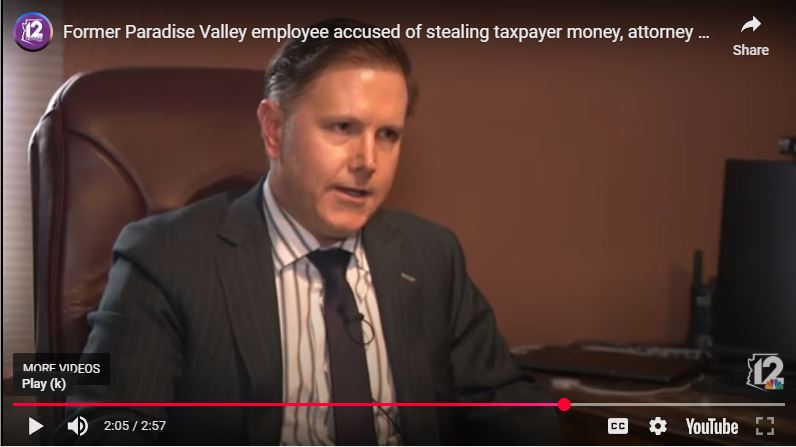
Paradise Valley Scandal Defense Attorney Josh Kolsrud Breaks Silence Amid Looming Charges

Fair Trials and Public Trust: A Closer Look at the Paradise Valley Scandal

In recent weeks, the Paradise Valley scandal has thrust the legal system and public administration under a bright spotlight. Attention centers on allegations surrounding former Public Works Director Brent Skogland, accused of misusing taxpayer funds. As these claims make headlines, it becomes essential to take a closer look at the case’s tangled issues, media portrayals, and the role of defense attorney Josh Kolsrud in ensuring that justice remains fair and balanced.

Unraveling the Tale: Questions Over Public Fund Management

The story begins with whispers of budget discrepancies in Paradise Valley. Allegations include purchases made by Skogland—ranging from off-roading lights to a pool motor and even clothing for his spouse—which some argue represent personal expenditures rather than community investments. With the reported total approaching nearly $10,000, questions swirl: Were these transactions misappropriated funds meant for public welfare, or is there another side to this narrative?

As a cornerstone of any thriving democratic community is trust in local government operations, the case raises an important concern. The public, naturally, wants reassurance that government officials act in the best interest of the people. In this instance, critics contend that any misuse of taxpayer dollars warrants serious consequences, while others, including Skogland’s defense team, insist that these allegations should not translate immediately to guilt, before every confusing bit of evidence is thoroughly examined.

Scrutinizing Budget Discrepancies and Spending Irregularities

Digging into the details reveals that long-time employee Jerry Cooper first sensed something was off. Starting his career in the town’s Public Works Department in 2006 and continuing until 2024, Cooper noticed irregularities in budget line items. His firsthand observations led to scrutiny over purchases that appeared to target personal interests rather than serve official functions.

A table below summarizes some of the key spending items flagged during these investigations:

Item Purchased Description
Off-roading lights Potentially for personal recreational use
Pool motor Equipment that may not correlate with public works projects
RV supplies Items that raise questions about usage beyond official duties
Clothing for spouse Directly suggests personal benefit

These examples illustrate just a few of the purchases under the microscope. Law enforcement agencies, acting on these findings, executed search warrants at Skogland’s property. Over 100 items were seized in the process, and the evidence now lies with the Maricopa County Attorney’s Office. Investigators are considering charges that range from theft to fraud and misuse of taxpayer funds.

Media Narratives and the Pressure of Public Opinion

As the case unfolds, defense attorney Josh Kolsrud has voiced his reservations regarding media treatment and what he perceives as a rushed media trial. In his interaction with local news outlets, Kolsrud criticized how preliminary police statements are sometimes conflated with established facts, painting a picture of guilt before any formal legal proceedings have begun.

It is critical to acknowledge that while the press plays an important role in keeping public officials accountable, responsible reporting must avoid jumping to conclusions. When news outlets highlight suspects as if they were already convicted, it can taint public perceptions and unfairly influence the legal process.

Josh Kolsrud argues that presenting a full trial in a court of law offers a fair stage to figure a path through the confusing bits of evidence. As he notes, “We are confident that we will prove to a jury that there is an innocent explanation for my client's actions.” Such a stance reinforces the notion that every individual deserves an unbiased examination of the facts, free from the burden of unchecked public judgment.

Defending Due Process: A Lawyer’s Duty to Challenge Prejudice

Defense attorney Josh Kolsrud stands on a pedestal of integrity and commitment to due process. With a career marked by over 100 jury trials, Kolsrud’s experience serves as a beacon for those grappling with the nerve-racking twists and turns of legal battles in both state and federal jurisdictions.

His approach underlines several points that are central to any defense in a politically charged environment:

  • Commitment to Fairness: Kolsrud stresses that every client deserves a trial where all evidence is subjected to careful scrutiny in a neutral setting.
  • Criticizing Premature Judgments: By openly questioning media narratives and police statements, he draws attention to the danger of conflating allegations with guilt before proper trial procedures occur.
  • Ensuring a Complete Process: His insistence on a thorough judicial process is a reminder that every legal case entails many tangled issues that are best resolved in a formal courtroom environment.

Such a defense strategy not only protects his client’s rights but also helps maintain public confidence in the legal system. Upholding the principle that accusations should never be mistaken for incontrovertible proof is essential for preserving the integrity of the adversarial process.

Community Impact and the Broader Implications for Local Governance

The repercussions of this controversy extend far beyond the confines of courtroom battles. At its core, the scandal has served as a wake-up call for the entire community. It raises broader questions about transparency, accountability, and the effective management of public funds.

Local residents, stirred by these allegations, have voiced a collective sentiment that government resources should be managed with absolute care. Here are some of the key concerns voiced by community members:

  • Ensuring Accountability: There is a growing demand for officials to be held responsible for any misappropriation of public funds.
  • Transparency in Purchases: Voters expect clear and accessible information regarding how taxpayer dollars are spent.
  • Rebuilding Trust: Community trust has been shaken, necessitating efforts to restore confidence in local government operations.
  • Clear Consequences: Many believe that irrespective of one’s position, all citizens must face comparable consequences if found guilty of such misuse.

To further illuminate these concerns, a simple diagram below outlines the cause-and-effect relationship integral to the public’s response:

Issue Public Reaction
Budget irregularities detected Increased scrutiny from employees and citizens
Alleged misuse of funds Demands for in-depth investigation and accountability
Media coverage of preliminary evidence Formation of opinions before legal conclusions
Deliberate defense strategy Calls for fair trials and thorough judicial processes

This table encapsulates the web of concerns affecting public sentiment. It is clear that the issue is not just about a single case, but it touches on the very principles of good governance and accountability. Citizens expect that when discrepancies arise, the responsible parties be given a chance to explain themselves, and if necessary, be held accountable through established legal channels.

Legal Perspectives: The Twists and Turns of Public Administration Cases

From a legal perspective, cases that involve public officials and budgeting errors are riddled with hidden complexities. Such matters are rarely straightforward and involve many subtle parts that require careful analysis. When assessing whether the expenses in question were part of private indulgence or legitimate public spending, the following key legal questions come to the forefront:

  • Nature of the Expenses: Were the purchased items intended for official use, or did they serve personal interests?
  • Compliance with Procurement Policies: Did the procurement process adhere to established guidelines within the municipality?
  • Documentation and Record Keeping: Is there clear evidence that these transactions were properly recorded and approved?
  • Intent Behind the Purchases: Can it be demonstrated that the intent was to serve the public good rather than to benefit an individual?

Considering these questions, defense attorneys like Kolsrud insist on carefully assessing every sensitive detail. The breakdown of evidence and the presentation of alternative explanations in court are essential in finding a path through the maze of budget oversight. Legal teams on both sides must get into these fine points and address every single twist and turn of the evidence to ensure that any potential overreach is corrected before a verdict is reached.

The Role of Expert Testimony and Evidence in Public Finance Cases

In cases that involve alleged mismanagement of public funds, expert testimony often plays a super important role. Specialist opinions from accountants, procurement experts, and other critical professionals can help illuminate the confusing bits of the financial records that are central to the case.

Key aspects that expert testimonies typically cover include:

  • Detailed Expense Analysis: Breaking down the expenditures to determine their official versus personal usage.
  • Comparative Spending Reviews: Comparing these expenses to established budget guidelines and similar transactions within other government bodies.
  • Audit and Compliance Reviews: Assessing the internal controls and processes in place to prevent misuse of funds.
  • Standard Protocols: Determining whether the purchases aligned with lawful procurement protocols.

These analyses not only help in constructing a strong defense but also bolster public confidence that the legal process will account for every subtle detail and little twist present in the evidence. The goal is to rely on unbiased professional assessments that can verify whether expenses were truly justified or if they veered into the territory of personal misappropriation.

Pressing for a Balanced Approach in the Courtroom

The emphasis on a balanced approach is especially relevant when media coverage intensifies the nerve-racking atmosphere surrounding such cases. In the Paradise Valley matter, the defense team, led by Josh Kolsrud, is pushing back against what they consider premature verdicts fueled by external commentary.

A few points highlighted by the defense include:

  • Presumption of Innocence: Every accused individual is entitled to a trial where their guilt is not assumed until proven otherwise in court.
  • Evidence Over Hearsay: Defense advocates stress the importance of tangible evidence rather than relying on preliminary police statements and media reports.
  • Judicial Process Integrity: A call for all parties—including the press—to let the judicial process sort out the confusing pieces before turning public opinion into verdicts.

This stance is not only about protecting the rights of the accused—it is about reinforcing the principle that the courtroom is the ultimate arena for dispute resolution. By maintaining this separation between media narratives and court proceedings, the legal system seeks to prevent any undue influence over successive trials.

Media's Role in Shaping Legal Narratives: A Double-Edged Sword

Media coverage is a crucial element in any high-profile legal case. In the Paradise Valley scandal, the media has played both a beneficial role in holding government officials accountable and a potentially problematic one by aggressively shaping public perception. Aspects to consider include:

  • Speed vs. Accuracy: While speedy reporting helps surface new information quickly, it may sometimes lead to oversimplified narratives that do not capture every subtle detail.
  • Influence on Public Opinion: When news outlets lean towards sensationalism, it can create an environment where citizens feel that a verdict has been predetermined.
  • The Importance of Context: Comprehensive stories that explore the full scope of evidence help the public understand the many twists and turns that define such cases.

Recognizing these risks, attorneys like Josh Kolsrud stress that the legal process must be allowed to unfold in its entirety. The focus must remain on fact-finding and thoughtful legal analysis rather than hastily drawn conclusions based solely on initial findings reported in the media.

Legal Strategies in Dealing with Budget Mismanagement Accusations

A crucial challenge in cases of alleged mismanagement of public funds is constructing a coherent narrative underlined by factual clarity. Defense strategies in such circumstances need to address several tricky parts:

  • Reconstructing the Timeline: Mapping out every step of the alleged transactions to identify any discrepancies or misunderstandings.
  • Challenging the Evidence: Scrutinizing the financial records, documentation, and purchase approvals to determine whether any procedural oversights occurred.
  • Offering Alternate Explanations: Presenting plausible reasons for these expenses, such as miscommunication or differences in procurement practices, can critically impact how the jury views the case.
  • Questioning the Investigation: Highlighting any shortcomings in the initial audits or potential mishandling of evidence can cast doubt on the prosecution’s case.

Sophisticated defense approaches might involve a combination of internal policy analysis, consultation with procurement specialists, and cross-examination of key witnesses. Such strategies are vital in counterbalancing media-fueled narratives and ensuring that the accused receives an unbiased trial.

Community Trust and Government Accountability: A Broader Conversation

The Paradise Valley case has ignited a much broader conversation about how public funds should be managed and monitored. While the legal process takes its course, community members are increasingly vocal about their expectations for higher standards in government spending and transparency.

Key components of this debate include:

  • Strict Financial Oversight: Establishing rigorous checks and balances to ensure that government expenditures adhere to approved budgets.
  • Empowered Whistleblowers: Encouraging employees and citizens to report any suspicious activity related to public finance management without fear of retaliation.
  • Public Access to Information: Ensuring that detailed records of government spending are readily accessible to the public can help foster accountability.
  • Consistent Legal Standards: Applying the same legal standards to all citizens—including public officials—is critical to maintaining equality before the law.

A community council meeting or public forum can serve as a platform where these critical issues are openly discussed. Some of the measures that local governments could consider are:

  • Regular audits by independent financial experts.
  • Transparent digital reporting of public expenditures.
  • Institutional review boards to assess procurement policies.
  • Feedback sessions with citizens to discuss budget allocations.

Such proactive steps are seen by many as the only ways to rebuild trust and ensure that every currency of public funds is spent in a manner that benefits the entire community.

Implications for the Future of Public Administration

Beyond the immediate legal challenges, this case has far-reaching implications for how public administration is conducted in small towns and larger municipalities alike. It forces stakeholders to confront several nerve-racking questions:

  • How do we make sure that every individual, from elected officials to administrators, operates under the highest levels of accountability?
  • What systems can be improved or introduced to monitor expenditures with greater precision?
  • Are current training and oversight programs sufficient to guide employees in understanding the fine points of fiscal responsibility?

Addressing these questions is off-putting yet absolutely necessary. The lessons learned from Paradise Valley could serve as a catalyst for reforms designed to prevent future mismanagement and to clarify the sometimes tangled issues of public fund oversight. As communities evolve, so too must the policies and practical measures that govern them.

Defense Attorney Josh Kolsrud’s Stand: A Beacon for Fairness

At the heart of the controversy is defense attorney Josh Kolsrud, whose commitment to fairness and due process has resonated with many. With decades of experience, Kolsrud is well-versed in handling cases that involve both state and federal laws—and his stance has sparked an important conversation about the presumption of innocence.

In interviews and public statements, Kolsrud has made it clear that his role is not just about defending one individual, but about upholding the integrity of a legal system that is meant to carefully and fairly adjudicate every single case. His message can be summarized in several key points:

  • Challenge of Pre-Trial Publicity: Kolsrud cautions against the risks of media-driven narratives that can shape public opinion before the facts are established in court.
  • Faith in the Judicial System: He remains confident that the courtroom is a place where the evidence will speak for itself, allowing a clear path to verdict once all the perplexing bits are sorted out.
  • Protection of Due Process: Kolsrud’s commitment is a call to remember that every defendant deserves the opportunity to be heard in an environment free of undue public judgment.

His approach is a firm reminder that, regardless of media opinions or preliminary reports, the justice system is ultimately about ensuring that no one is punished without a fair and comprehensive hearing of all the evidence. This perspective is essential in maintaining a balance between media influence and judicial integrity.

Looking to the Horizon: Trials, Reforms, and Renewed Public Confidence

As the legal process moves forward in the Paradise Valley case, observers on both sides of the debate are keen to see how the courtroom drama unfolds. The verdict—whether it finds Skogland guilty or exonerates him—will not only affect the individuals directly involved but will also send ripples through the broader landscape of public administration and county governance.

Several future developments are highly anticipated:

  • Courtroom Revelations: A thorough trial will bring to light many of the nitty-gritty details, allowing the public and the legal community to understand the full scope of the alleged mismanagement.
  • Policy Revisions: In response to the public outcry, local governments may review and tighten their financial oversight and procurement procedures.
  • Media Accountability: This case might also encourage media outlets to adopt more cautious approaches when reporting on ongoing investigations, ensuring reports remain balanced and fact-oriented.
  • Community Healing: The restoration of public trust will likely necessitate sustained transparency and dialogue between elected officials, administrators, and the citizenry.

Each of these developments holds the promise of forging a path toward more responsible public administration. With a fair trial as the focal point, the entire situation offers a lesson in the significance of letting established legal processes unfold without premature adjudications.

Final Thoughts: The Intersection of Law, Media, and Public Opinion

In the crossroads of law, media influence, and public governance, the Paradise Valley case stands as a complex reminder that justice is a multifaceted journey. From budget discrepancies and fiscal irregularities to the role of a determined defense attorney, every element of the case is loaded with issues that need careful, unbiased exploration.

While the media plays an essential role in public oversight, its narrative should never overshadow the fundamental rights of those involved. Defense attorney Josh Kolsrud’s insistence on a fair judicial process is not only a personal commitment to his client but also a public declaration of the values upon which our legal system is built. The evolving story in Paradise Valley is about more than one alleged misstep with public funds—it's about protecting the promise of due process and ensuring that accusations, no matter how serious they appear, are meticulously and impartially tested in the courtroom.

As communities across the country weigh this issue, it is super important to remember that policies and procedures must serve both the public interest and the rights of individuals. In this instance, the trial will ultimately determine if the evidence supports the initial allegations or if the confusing bits surrounding these transactions prove to be misinterpreted administrative errors. Only with a careful, balanced approach can the truth be fully determined.

The unfolding legal drama in Paradise Valley challenges all of us to think critically about how we manage public trust, how we understand reports of misconduct, and ultimately, how we identify and rectify mistakes in our public institutions. As we watch this matter progress, the lessons learned may well serve as a guide for future cases, ensuring that our legal system remains a place where every defendant is given a fair trial, and where our government remains accountable to those it serves.

Key Takeaways: Ensuring Fairness in Public Administration Cases

To summarize, here are a few key takeaways that encapsulate the essence of this complex case:

  • Transparency: Detailed and open reporting on government spending is essential for public trust.
  • Due Process: Accusations must be carefully evaluated in court, without media interference prejudicing the case.
  • Expert Analysis: Independent financial experts can help clarify the tricky parts of budgetary investigations.
  • Accountability: Public officials should face consequences comparable to any other citizen, ensuring fairness at every level.

A Call for Balanced Reporting and Equitable Justice

Ultimately, the drama unfolding in Paradise Valley is a call to strive for balanced reporting, equitable justice, and improved oversight in public administration. By taking a more measured approach—one that acknowledges every twist and turn and scrutinizes every subtle detail—we can work toward a justice system that serves everyone fairly, regardless of media hype or public pressure.

The lessons from this case extend far beyond Paradise Valley. They remind us that while media and public opinion can influence perceptions, true justice is achieved when evidence is allowed to speak fully and separately in the hallowed halls of court. As we look to the future, the hope is that all communities can learn from this experience and work collectively to ensure that every public official is held to the highest standard, and that every allegation is given a full, fair, and unbiased hearing.

Only through such diligent efforts will public institutions regain and maintain the trust that is the cornerstone of a healthy, functioning democracy.

Read more about this topic at https://kolsrudlawoffices.com/attorney-josh-kolsrud-speaksout-about-client-brent-skoglund/

Related articles you might like
Recognize tax scams and fraud
Tax Fraud Lawyer – Tax Evasion Defense

Share:
New Beginnings for Arizona Drivers As The Expungement Law Clears DUI Records

Examining Arizona’s New Record Sealing Law and Its Impact on DUI Convungations

Recent developments in Arizona law have reshaped the approach to DUI convictions. Until not long ago, many Arizona residents felt locked in by a criminal record that showed up on nearly every background check. With the advent of ARS §13-911, however, there is a fresh opportunity for individuals to take a closer look at how they can, quite literally, hide a past mistake. This opinion piece discusses how record sealing offers real relief for those who have served their time and are eager to move forward with their lives.

Historically, Arizona’s system only allowed for a “set aside,” a process that added a note of resolution but left the actual conviction intact. Today, however, ARS §13-911 has fundamentally changed that by giving people the chance to petition the courts to seal their records entirely from public view. While law enforcement agencies and courts may still retain access, for most everyday purposes, such as employment and housing, the DUI conviction becomes practically invisible.

Understanding the Difference: Set Aside vs. Record Sealing

Before ARS §13-911, individuals had to settle for a set aside, which, while affirming that all court-imposed obligations were met, did nothing to hide the conviction from background checks. A set aside is a useful tool in its own right—it shows responsibility and commitment after an offense—but it does not provide the same level of relief as full record sealing.

Record sealing provides a more robust solution. Because the sealed conviction is hidden from the public and from most employers’ routine checks, it offers what many consider a clean slate. The difference between these two options can be summarized in several key points:

  • Set Aside: Indicates that the person has completed all sentence requirements, with a notation attached to the record.
  • Record Sealing: Keeps the DUI conviction entirely out of public view, offering practical relief in most background investigations.

This distinction is critical for individuals looking for a fresh start after a DUI incident. By opting for record sealing, a person can more confidently explain their record without the stigma often associated with a DUI.

How ARS §13-911 Transforms DUI Expungement in the Grand Canyon State

Under ARS §13-911, a person charged with or convicted of certain crimes, including DUI, may petition the court to have their records sealed. This new law is a game changer for several reasons:

  • It offers a tangible way for individuals to move on from a past misstep.
  • It prevents criminal records from interfering with future job opportunities, housing applications, and professional licensing.
  • It reflects a more modern approach to criminal justice, emphasizing rehabilitation over perpetual punishment.

For many individuals, facing the declarations of a DUI conviction can be intimidating and overwhelming. With this law, the emphasis shifts from a life sentence on one’s reputation to providing the chance to rebuild and reintegrate into society without the constant reminder of a past mistake.

Eligibility and Waiting Periods: Figuring a Path Through the Legal Maze

One of the trickier parts of the new record sealing process is understanding the waiting periods attached to the petition. The waiting period varies depending on whether the DUI conviction was classified as a misdemeanor or a felony. This means that while those with misdemeanor DUI convictions often have a shorter waiting period, felony DUI cases may require much more time before the petition can be considered.

Generally speaking, the waiting periods outline the following:

Type of DUI Conviction Typical Waiting Period Additional Considerations
Misdemeanor DUI A few years after sentence completion Must have completed all fines, treatment programs, and probation
Felony DUI Often a decade or longer Depends on the severity of the offense and absence of other serious crimes

It’s important to note that the waiting period only kicks in after all sentence conditions have been satisfied. This includes probation, jail time, fines, and any mandated treatment. For those with a record loaded with additional issues—such as multiple convictions or concurrent serious crimes—the process might become even more challenging.

Understanding and planning for this waiting period is key. It may be nerve-racking at first, but a clear timeline and a sound strategy can help individuals figure a path to a brighter future.

Real-World DUI Record Clearing Examples in Arizona Cities

To better illustrate how these changes affect everyday people, let’s examine several real-world examples drawn from cities across Arizona like Phoenix, Scottsdale, and Tempe.

A Phoenix Case: Starting Over After a Standard DUI

Consider a man arrested in Phoenix after attending a local sporting event. Convicted of a standard DUI in 2015, he fulfilled all his legal obligations by completing probation, attending DUI school, and paying all associated fines. Despite his efforts to move on, his DUI conviction continued to show up on background checks. With ARS §13-911 now in force, he has the opportunity to petition for record sealing, thereby preventing the DUI from affecting future job opportunities.

A Scottsdale Story: Overcoming an Extreme DUI Stigma

A woman from Old Town Scottsdale faced an extreme DUI conviction in 2018. After serving jail time, paying hefty fines, and maintaining a sober lifestyle, she encountered difficulties finding employment in a field sensitive to past criminal records. Now, with the option to have her record sealed, she can overcome the negative implications of her past—a move that could open doors that were previously closed to her.

A Tempe Experience: A Student’s Fresh Start

A young student in Tempe experienced his first DUI during a routine traffic stop near ASU. Though he was a first-time offender and eventually completed all the mandated punishment, the DUI mark threatened his future academic and professional prospects. By petitioning for record sealing, he can ensure that the mistake does not continuously haunt his graduate school applications or hamper his pursuit of professional licenses.

The Benefits of Sealing a DUI Record: Why It Matters for Employment and Beyond

One of the most significant draws of record sealing is its impact on employment prospects and background checks. Many employers, landlords, and professional licensing bodies perform rigorous background investigations that often reveal even aging criminal convictions. This can be particularly problematic for those with a DUI record, which might unfairly overshadow their true character and reformed behavior.

When a record is sealed, here are some key benefits:

  • Improved Employment Opportunities: With a sealed record, potential employers only see a legally clean slate, which can lead to broader career opportunities.
  • Better Housing Options: Landlords are less likely to reject candidates based on past convictions that civilians are not permitted to view.
  • Enhanced Professional Licensing: Many professional associations and regulatory boards check for criminal backgrounds. Sealing the record can help in obtaining or renewing a professional license.
  • Peace of Mind: Knowing that your past does not define your future is an incredibly comforting thought, especially when striving to leave behind any troubled history.

The psychological lift provided by knowing that a past DUI is no longer on public display cannot be understated. For many, it represents a key milestone in the journey of personal rehabilitation and reintegration into society.

Breaking Down the Process: How Attorneys Help You Get Around Tricky Legal Bits

The path to record sealing is not without its tangled issues. Filing the necessary paperwork, gathering supporting documents, and ensuring that all legal criteria are met can be intimidating and even overwhelming for individuals without legal expertise. This is where the role of a seasoned DUI defense attorney becomes absolutely crucial.

Below is an outline of the typical steps involved in the record sealing process:

  • Review of Criminal History: An attorney carefully examines your past records to confirm that you meet the eligibility criteria for record sealing.
  • Filing the Petition: The process begins with the official filing of a petition to the appropriate court, where all detailed paperwork must be submitted.
  • Document Collection: Gathering evidence that demonstrates rehabilitation is key. This may include proof of completed programs, letters of recommendation, or evidence of steady employment.
  • Responding to Objections: In some cases, the prosecutor may oppose the petition. Here, the attorney formulates a strategy to address these concerns by emphasizing the changes in your life and your compliance with court orders.
  • Court Hearings: If required, the attorney will represent you at court hearings, ensuring that each of the fine shades and subtle details of your case is appropriately addressed.

An experienced attorney not only helps to sort out the paper maze but also provides guidance through the nerve-racking experience of facing the courts. Their ability to steer through the twists and turns of the legal system is absolutely key to a successful petition.

Using Practical Defense Strategies to Enhance DUI Record Sealing Petitions

One important part of the record sealing process is developing a robust defense strategy. This phase involves more than just submitting an application—it is about convincingly demonstrating to the court that the individual has moved past the incident and is now a productive member of society. Here are some commonly used strategies:

  • Demonstration of Rehabilitation: Collect testimonials, certificates, or evidence of community service to showcase a changed lifestyle.
  • Highlighting Legal Compliance: Show full adherence to any court orders—like probation, DUI school, or treatment programs—to emphasize responsibility.
  • Establishing a Clean Record Post-DUI: If there have been no further run-ins with the law, the absence of later convictions can be a persuasive argument for sealing the record.
  • Correcting Administrative Errors: Sometimes, minor mistakes in the record can be rectified through legal channels before filing the petition, making the overall process smoother.

These tactics are the nitty-gritty elements of an effective petition. In many ways, they form the building blocks that support the overall argument for sealing your past. Without a meticulous approach to these small distinctions, even the strongest cases might fall short.

The Role of Experienced Attorneys in Achieving DUI Record Sealing Success

It is clear that the newly introduced expungement law is a super important tool in changing how DUI convictions affect lives. However, the process is technical and can seem intimidating to those who try to figure a path through it on their own. Working with a dedicated DUI defense attorney can dramatically increase the chances of a successful petition.

For example, consider the track record of professionals such as attorney Arja Shah, who has worked with thousands of clients throughout Arizona. Her extensive experience in dealing with DUI cases means that she understands every little twist of the record sealing process—from gathering the correct paperwork to addressing prosecutor objections in court.

This type of legal support can transform a challenging and sometimes scary legal proceeding into a manageable process. With the right representation, applicants gain not just expertise, but also a tangible sense of security: knowing that all confusing bits are being handled by someone well-versed with the local courts and legal procedures.

Key Benefits of Sealing Your DUI Record and Why It’s a Life-Changing Move

Many people may not realize the far-reaching implications of keeping a DUI record accessible to employers, landlords, and other entities performing background checks. When these records are sealed, they effectively disappear from the purview of anyone who is not legally authorized to see them.

Some of the super important benefits include:

  • Protection Against Unfair Judgment: With a sealed record, your past DUI is no longer a factor in day-to-day judgments about your character.
  • Increased Career Prospects: The ability to apply for positions without having a DUI conviction seen in background checks provides a significant boost to your employment prospects.
  • Improved Housing Opportunities: Landlords and rental agencies benefit from knowing that a sealed record is not available to trigger automatic rejections.
  • Renewed Privacy: Enjoy a renewed sense of personal privacy and dignityWith confidential records, there’s less worry about a past mistake weighing on your future.

These advantages make the prospect of record sealing more than a legal procedure—they represent a critical step toward reclaiming one’s future and proving that a single mistake does not have to define an entire life.

Addressing Common Questions About DUI Record Sealing in Arizona

There are several questions that emerge when considering the sealing of a DUI record under ARS §13-911. Here are some of the most frequently asked questions:

  • Can a DUI conviction be completely erased?

    No, the record is not erased but is instead sealed from public view, meaning employers and landlords won’t have access to it during their standard background checks.

  • How long must I wait before petitioning for sealing?

    This waiting period depends on whether your DUI was a misdemeanor or felony. Typically, it may be a few years for misdemeanors and significantly longer for felony cases.

  • Is a set aside the same as record sealing?

    Not at all. A set aside only indicates that you have met all legal conditions, whereas record sealing hides the conviction from most backgrounds checks and public records.

  • Do police and courts still have access to the sealed record?

    Yes, while the record becomes invisible to the general public, law enforcement and certain government entities can still access it if necessary.

  • Should I engage an attorney for the petition process?

    Although self-filing is possible, having an experienced attorney increases your chance of success by ensuring that all the correct procedures and required documents are properly handled.

A Closer Look at the Legal Changes: Implications for Arizona’s DUI Conviction Landscape

The legal climate in Arizona is shifting in a way that reflects a broader national trend. Rather than keeping individuals confined to the negative implications of decades-old convictions, the state is attempting to reward personal growth and rehabilitation. By embracing record sealing, Arizona acknowledges that people can change and that a single DUI incident should not permanently mar someone’s opportunities for the future.

This change is especially meaningful in a state where the social and economic impact of a DUI conviction can be loaded with problems. For instance, those previously disqualified from certain professions because of a visible conviction now have a chance to apply and interview without the shadow of their past looming overhead. In employment, every job applicant deserves the opportunity to showcase their full potential without one mistake defining their entire career.

In the bigger picture, these legal transformations today are an invitation for all citizens to get into a more balanced approach to justice—one that considers both substance and the capacity for change.

Practical Steps for Anyone Considering DUI Record Sealing in Arizona

If you have a DUI conviction on your record and are considering sealing it, here are some handy, step-by-step guidelines to help you get into the process:

  1. Review Your Record:

    Begin by obtaining a copy of your criminal record to check for any discrepancies or errors. This will help in identifying whether you meet the criteria for record sealing under ARS §13-911.

  2. Verify Eligibility:

    Consult with a knowledgeable attorney to confirm that your specific DUI conviction—be it misdemeanor or felony—qualifies for the procedure. Certain serious offenses may disqualify you right from the start.

  3. Gather Documentation:

    Collect all relevant documents such as court records, certificates from completed treatment and education courses, and letters of recommendation that speak to your rehabilitation.

  4. File a Petition:

    Work with your attorney to prepare and file the petition. Make sure every required detail is included and that the petition clearly demonstrates your commitment to rehabilitation.

  5. Prepare for Possible Objections:

    Be ready to address concerns that may be raised by the prosecutor. Your attorney’s expertise in handling these objections is super important, as it can tip the balance in your favor.

  6. Attend Hearings (If Required):

    Some cases might require a court hearing. Even if you are nervous about the process, remember that a seasoned attorney can make your presence at the hearing more manageable.

Following these practical steps helps in working through the legal twists and turns that are part and parcel of record sealing. Remember, while the process may seem filled with confusing bits at first, the payoff—a chance to start fresh—makes the effort worthwhile.

Looking Forward: How This Legal Shift Might Pave the Way for Future Reforms

The implementation of ARS §13-911 is just the beginning of a broader change in Arkansas’ approach to criminal records. While it is too early to predict every outcome, many legal analysts agree that this move may encourage similar reforms in other states. By rethinking how past mistakes are treated, Arizona is setting an example for a justice system that values rehabilitation more than perpetual punishment.

This progressive approach invites society to get into a conversation about second chances. It challenges the notion that a DUI conviction should be an indelible mark on a person’s character. Instead, it provides an opportunity for people to shed a label that no longer reflects who they are today. The law, in its updated form, acknowledges that people can mature and change—with the right support and guidance, even a serious offense may eventually become just a footnote in an otherwise promising story.

This shift could also have a ripple effect on how employers, landlords, and the general public view past criminal convictions. With more individuals able to seal their records, there may be a broader societal recognition that judgment should be based on current behavior and potential rather than outdated legal records.

Final Thoughts: A New Chapter in Second Chances for DUI Convictions

Arizona’s new record sealing law under ARS §13-911 offers a fresh start for many individuals who have been haunted by a DUI conviction. For too long, a single mistake has cast a long shadow, affecting job prospects, housing opportunities, and even professional growth. With the ability to seal records from public view, these individuals can now truly move forward without the past impeding their future.

The process may present several challenging bits such as strict waiting periods, technical paperwork, and potential objections from prosecutors. Yet, equipped with the right defense strategies and the guidance of experienced attorneys, many have successfully charted a course towards a cleaner, more promising future.

For those who have faced a DUI conviction in cities like Phoenix, Scottsdale, or Tempe, the opportunity to have a sealed record is more than just a legal technicality—it is a chance to reclaim one’s identity and rebuild professional and personal relationships without the overhanging stigma of a past error.

As Arizona sets this example, it becomes critical for individuals affected by a DUI to take full advantage of these reforms. Whether you are an employer looking for a well-rounded candidate, a landlord aiming to provide fair chances, or someone personally striving for a second opportunity, understanding and leveraging ARS §13-911 can be transformative.

Ultimately, while the legal process may be filled with tangled issues and nerve-racking moments, the promise of a fresh slate stands as a testament to the attributes of fairness and redemption. As our society continues to evolve in how it treats past mistakes, laws like ARS §13-911 remind us that everyone deserves a chance to erase old errors from the public eye and step confidently into a better future.

If you or someone you know is struggling with the lasting effects of a DUI record, consider speaking with a knowledgeable legal expert who can help you steer through this process. With clarity on the waiting periods, the right documentation, and professional support, you too can start writing the next chapter of your life—a chapter that is defined not by past mistakes, but by growth, resilience, and renewed opportunities.

As this legal shift gains momentum and more individuals experience its benefits, it is clear that a future without the heavy burden of outdated criminal records is within reach. Let this be a call to action: assess your situation, take advantage of the new laws, and join in crafting a fairer, more supportive community for all.

Read more about this topic at https://arjashahlaw.com/blog/expungement-law-clear-record/

Related articles you might like
Seal and Expunge Process
Criminal Record Expungement

Share: